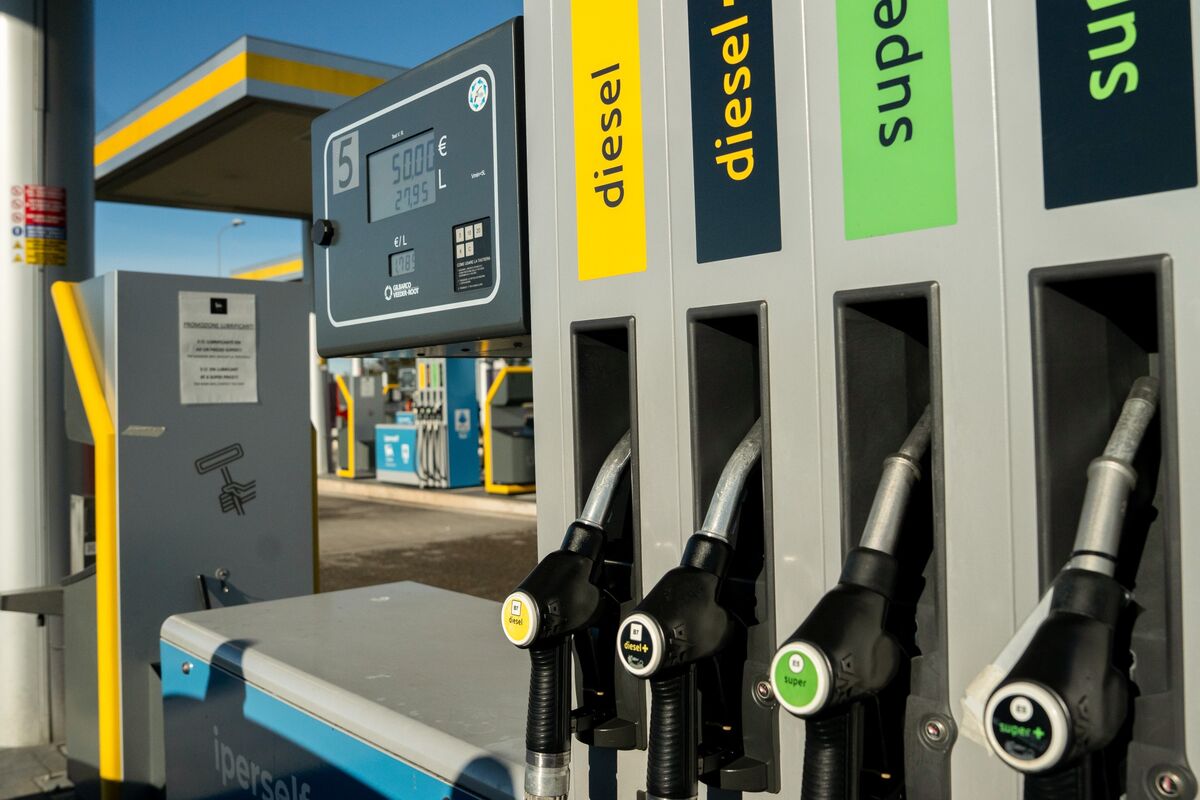
Italy plans to extend energy relief measures as long as the Iran war keeps fuel and energy prices elevated for households and businesses. Industry Minister Adolfo Urso said the government will maintain monitoring measures across the distribution network until the emergency ends. The policy underscores ongoing inflationary and fiscal pressure from higher energy costs, though the article does not specify the size or duration of the support.
The immediate market read is not “Italy-specific fiscal noise,” but a broader signal that Europe is moving from temporary pass-through relief to a more persistent subsidy regime if energy volatility stays elevated. That matters because it delays the usual demand destruction channel: households and SMEs get a short-term cushion, but the budget absorbs the shock, increasing the odds of either wider deficits or later tax/fee offsets. The second-order effect is that high-cost energy exposure gets socialized, which reduces downside for end-users while keeping a floor under retail fuel volumes and electricity demand.
The real winner is not the consumer, but politically insulated energy intermediaries, utilities with regulated pass-through, and firms with pricing power in distribution/logistics. The losers are Italy’s fiscal accounts and discretionary sectors that depend on a clean disinflation path; if relief persists for months, nominal GDP support comes with a lagged squeeze via borrowing costs and tighter financing conditions. A prolonged aid package also makes it harder for inflation expectations to normalize, which can keep the ECB from getting as dovish as the market would want.
Catalysts are binary over the next 2-6 weeks: cabinet confirmation, any escalation/de-escalation in the Middle East, and European gasoline/diesel spread behavior. If crude retraces meaningfully, the political rationale for extensions weakens fast; if prices grind higher, expect copycat measures in other eurozone periphery countries. The contrarian point is that this may be less bullish for energy equities than headline geopolitics suggests, because subsidy extensions can suppress the panic-driven margin expansion that usually follows supply shocks.
From a trading standpoint, the cleanest expression is to fade Europe’s consumer relief beneficiaries and own upstream volatility rather than retail fuel pricing. The path dependency is important: this is a months-long policy overlay, not a one-day trade, so positions should be structured around event timing and policy reversals rather than spot moves alone.
AI-powered research, real-time alerts, and portfolio analytics for institutional investors.
Request DemoOverall Sentiment
mildly negative
Sentiment Score
-0.20
