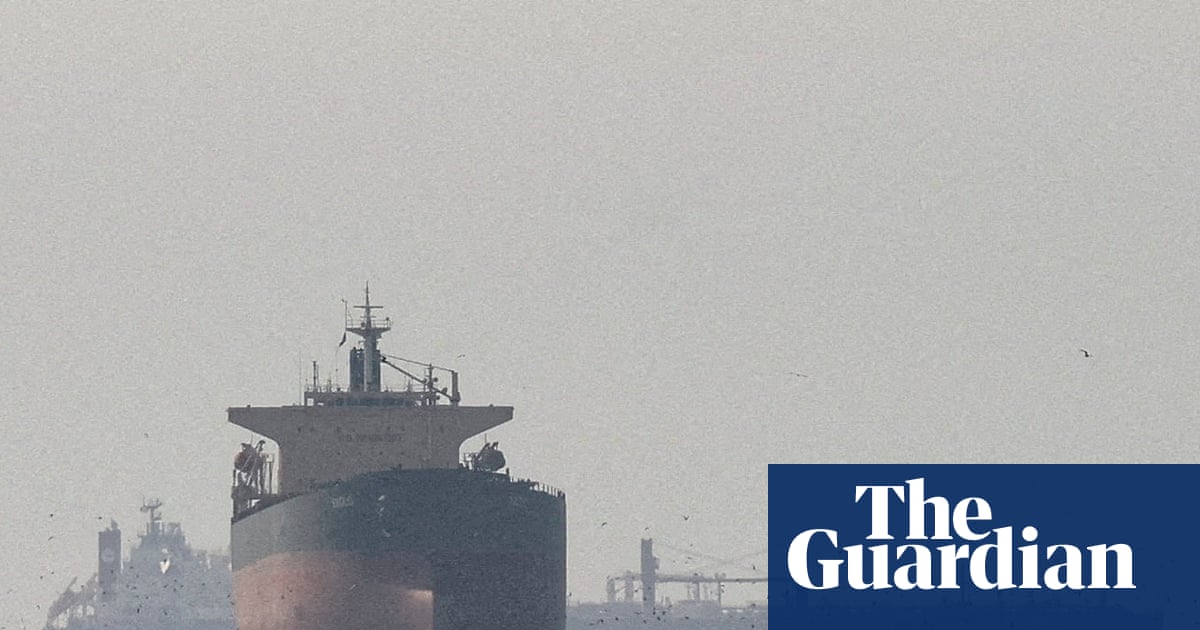
Iran said the Strait of Hormuz is now fully open to commercial vessels, a development that helped push oil prices lower and raised hopes of easing Middle East war risk. Trump said the U.S. naval blockade of Iran would remain until the conflict is fully concluded, while Iranian officials warned the strait could be closed again if the blockade continues. The situation keeps a critical global energy shipping chokepoint under geopolitical strain.
The market is likely overreacting to the word “open” and underpricing the fragility of the arrangement. A temporary de-escalation in Hormuz matters far more for front-end freight and prompt crude than for the full-year energy complex: tanker rates, regional marine insurance, and prompt physical differentials can normalize quickly even if headline risk remains elevated. The key second-order effect is that traders may begin fading geopolitical risk premium in Brent while underestimating how fast it can be reintroduced by a single blockage incident or a competing narrative from Tehran’s hardliners.
This is a classic regime where the first derivative is down in oil, but the skew still favors upside shocks. If commercial traffic resumes while military posture stays intact, refiners and airlines get immediate relief, yet the underlying bottleneck risk shifts from barrels to logistics, making shipping and defense names more sensitive than integrated oil producers over the next 2-6 weeks. The longer the ceasefire uncertainty persists, the more likely market participants misprice the probability of a renewed closure event that would gap crude higher before physical inventories can adjust.
The consensus trap is to treat this as a clean peace premium unwind. In reality, the dominant setup is a volatility compression trade in the very short term, followed by a convex re-risking trade if rhetoric escalates again; that asymmetry is better expressed with options than outright directional exposure. Any confirmation that naval restrictions remain or that shipping insurers begin repricing eastbound transits would be an early warning that the market has moved too far, too fast on the de-escalation narrative.
AI-powered research, real-time alerts, and portfolio analytics for institutional investors.
Request TrialOverall Sentiment
neutral
Sentiment Score
-0.05
