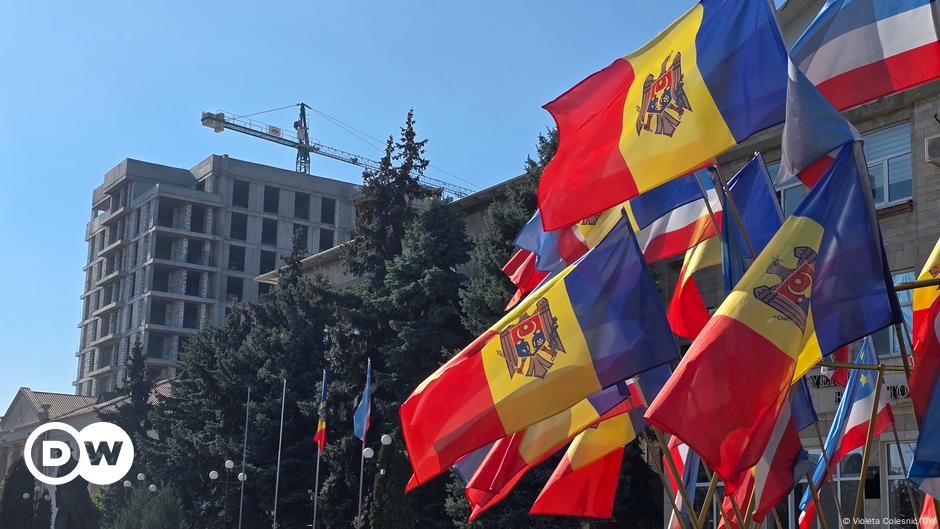
Moldova has emerged as a critical geopolitical flashpoint following Russia's 2022 invasion of Ukraine, serving as a buffer state on the EU/NATO border. Its strategic importance is underscored by the EU granting it candidate status and a recent high-level visit from German, French, and Polish leaders. Internally, the nation contends with pro-Russian separatist regions like Transnistria, which hosts Russian troops, and the autonomous Gagauzia, alongside ongoing Russian hybrid warfare efforts aimed at undermining its pro-Western trajectory. This dynamic positions Moldova as a key indicator of regional stability and East-West tensions.
Moldova has emerged as a critical geopolitical pivot point following Russia's 2022 invasion of Ukraine, positioning it as a strategic buffer on the southeastern border of the EU and NATO. This elevated importance is underscored by the EU's decision to grant Moldova candidate status in June 2022 and high-profile diplomatic support from leaders of Germany, France, and Poland. However, the country's pro-Western trajectory is challenged by significant internal vulnerabilities and persistent Russian influence. Key risks stem from the pro-Russian separatist region of Transnistria, which hosts Russian troops and has an uncertain economic future following the halt of Russian gas supplies in early 2025, and the pro-Russian autonomous region of Gagauzia. Having largely weaned itself off Russian economic leverage through energy and trade, Moldova now faces a more covert threat from a Russian-backed hybrid and propaganda war, the effectiveness of which was highlighted by an extremely close EU referendum result. While deep cultural and historical ties to Romania exist, with 860,000 citizens holding dual passports, near-term reunification is unlikely, with 60% of Moldovans opposing the move according to a mid-2025 survey.
AI-powered research, real-time alerts, and portfolio analytics for institutional investors.
Overall Sentiment
neutral
Sentiment Score
0.10
