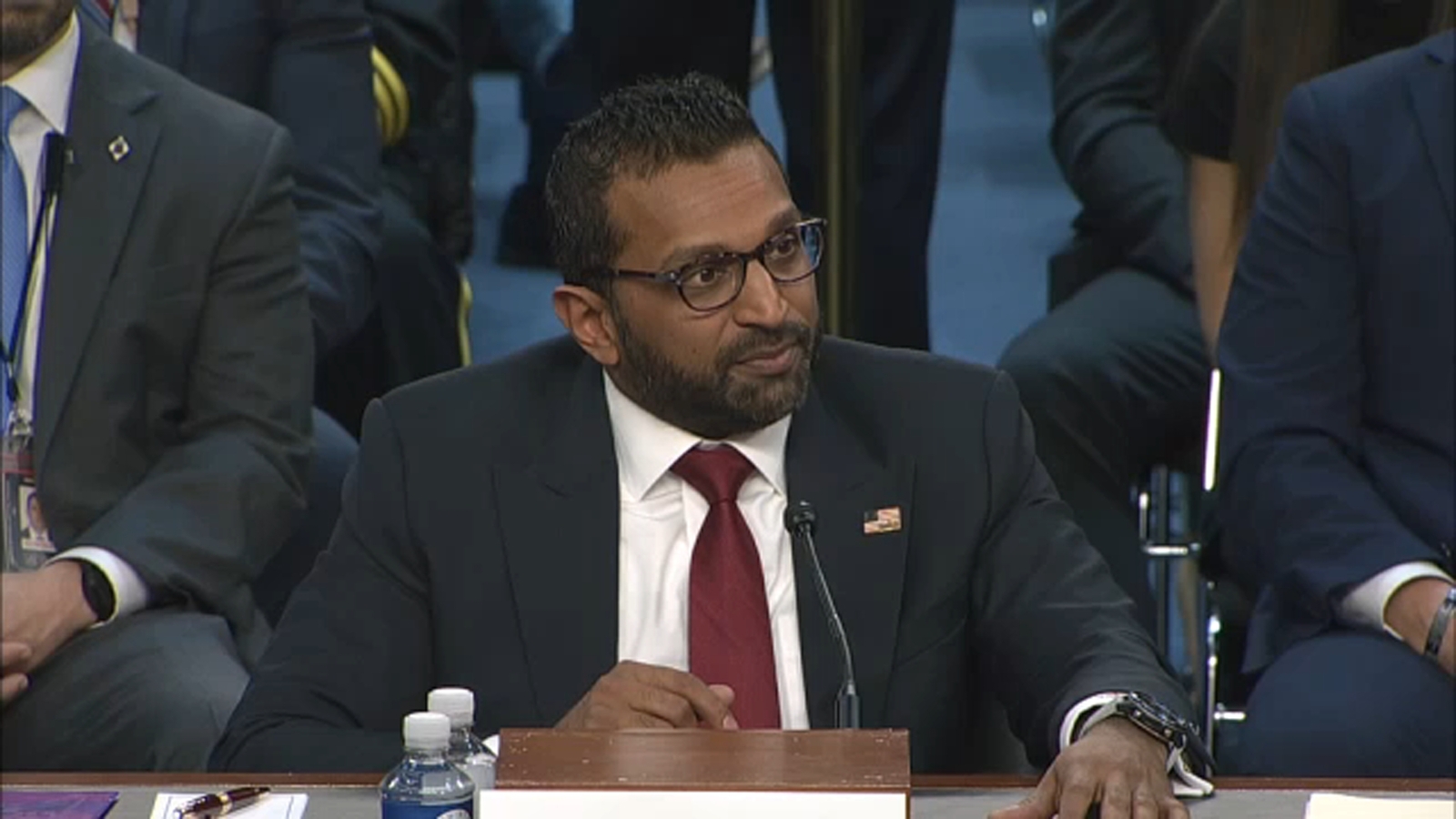
FBI Director Kash Patel is suing The Atlantic for defamation and seeking $250 million in damages over allegations of heavy drinking and job performance issues. The complaint claims the magazine and writer Sarah Fitzpatrick published false statements with actual malice despite prior warnings and contrary public information. The news is primarily a legal and reputational dispute with limited direct market impact.
This is less about the merits of one dispute and more about the economics of a weaponized defamation claim. The plaintiff is effectively trying to reprice the downside for major media outlets: if the case survives early motions, the expected cost of aggressive political reporting rises via legal spend, insurer behavior, and editorial self-censorship. That creates a second-order winner set in plaintiff-side media law firms, litigation funders, and potentially digital-native outlets that can operate with lower overhead and more flexible indemnity structures.
For the broader media complex, the immediate market impact is not on ad demand but on option value: publishers with weak balance sheets, concentrated political coverage, or already elevated D&O / E&O costs are more exposed to a chilling-effect discount. The risk is asymmetric over months, not days: a fast dismissal would cap the signal, but any discovery phase or venue-survival headline can be enough to force reserve builds, raise renewal premiums, and widen the quality gap between scaled legacy platforms and smaller publishers. That dynamic favors larger diversified owners versus single-title or politically exposed brands.
The contrarian angle is that the market may overestimate the legal win probability and underestimate the signaling value of the suit. Even if the plaintiff ultimately loses, the process itself can be the point if it deters future stories and improves bargaining power in settlement talks. Conversely, if the story provokes a credibility backlash, the reputational damage can boomerang onto the plaintiff and accelerate scrutiny from watchdogs, which would unwind the intimidation effect quickly.
Catalysts to watch over the next 2-12 weeks: motion-to-dismiss timing, insurer commentary into the next renewal cycle, and any escalation from other public officials filing similar claims. The most important tail risk is a broader template forming where political actors use high-dollar claims as a routine response to unfavorable coverage, which would structurally raise the cost of doing business for the sector.
AI-powered research, real-time alerts, and portfolio analytics for institutional investors.
Request TrialOverall Sentiment
mildly negative
Sentiment Score
-0.20
