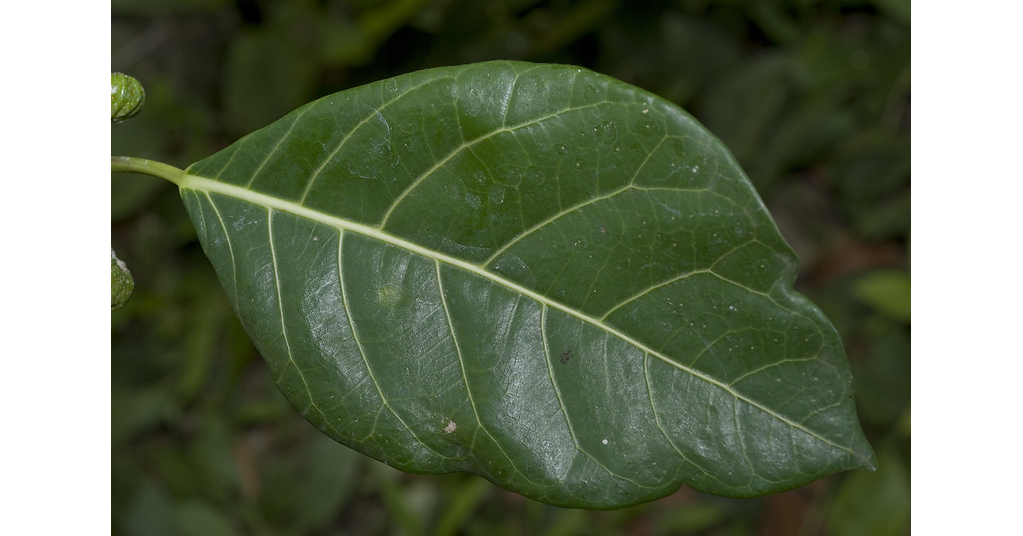
A Hasanuddin University study on Indonesia’s traditional healing plant Ficus septica links ethnomedicinal use to conservation value in fragile limestone karst ecosystems. Researchers identified 54 bioactive compounds with anti-inflammatory, antioxidant, and antimicrobial properties and found the species supports ecosystem functions like soil stabilization and seed dispersal. The article frames the findings as supporting UN SDGs (notably SDG 15) via biocultural conservation, but provides no direct market or financial impact.
This is not a tradable earnings event; it is an ESG/regulatory narrative that only matters if it migrates from academic conservation into permitting, land-use, or community-rights enforcement. The first-order market impact is basically zero for INDO/CTRYQ, but the second-order exposure sits in Indonesian limestone/karst-linked industrial activity: cement, quarrying, and any project that depends on clearing or altering fragile terrain. If the research is adopted by local authorities or NGOs, the margin impact would show up as slower permitting, higher remediation capex, and more project delays rather than an immediate revenue hit.
Healthcare/biotech read-through is also weak. The phytochemistry angle is preclinical ethnobotany, which is useful for future IP screens but does not create near-term clinical assets or royalty streams. The real upside accrues to conservation-linked funding channels, restoration contractors, and community-based stewardship programs; the real downside, if any, is to extractive operators with karst footprints that face a longer compliance cycle over 6-18 months.
The consensus is probably overestimating the novelty and underestimating the policy optionality. Most of these studies never reach bankable regulation, so the base case is no price effect; the contrarian risk is that Indonesia’s biodiversity agenda becomes a constraint in specific provinces, especially if paired with local permitting disputes. Falsifier: no follow-on policy, no NGO campaign, and no permit actions in the next 1-3 quarters.
AI-powered research, real-time alerts, and portfolio analytics for institutional investors.
Overall Sentiment
neutral
Sentiment Score
0.05
Ticker Sentiment
