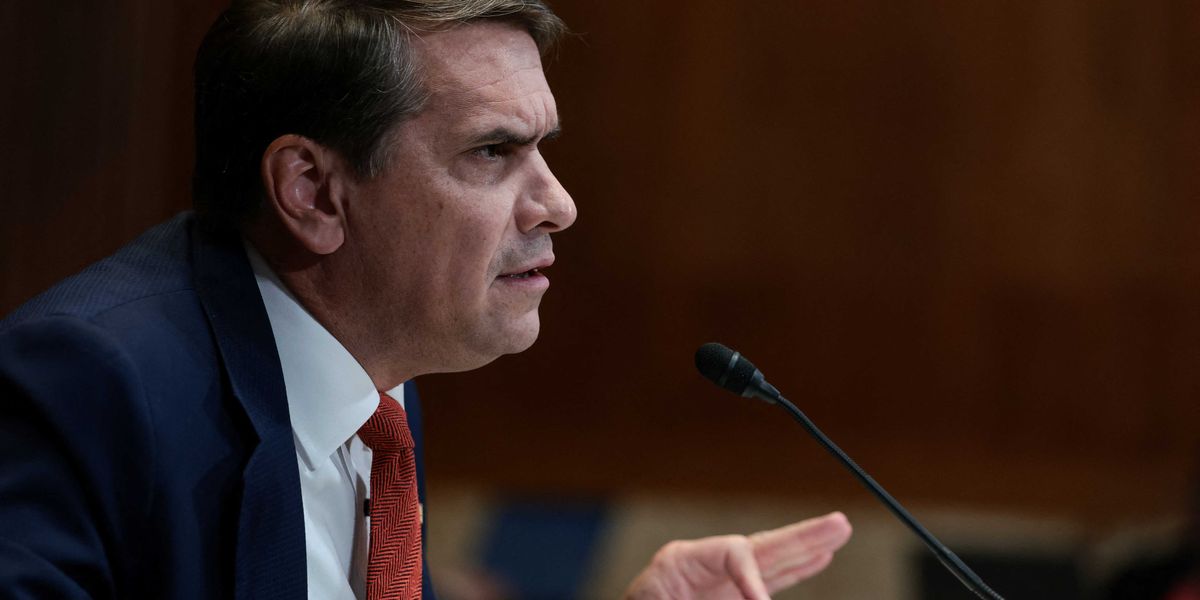
Federal judges have dismissed cases in Chicago and Wyoming amid serious grand jury misconduct allegations, including improper coaching, juror stacking, and inflammatory remarks by prosecutors. The article says the pattern reflects broader structural problems inside the Justice Department, with inexperienced political appointees replacing career prosecutors and an unusual rise in 'no true bills.' While the story is primarily institutional, it underscores heightened legal and governance risk around politically sensitive prosecutions.
The immediate market implication is not a sector rotation but a credibility tax on the federal enforcement apparatus. When judges start scrutinizing grand jury conduct, the bottleneck shifts from political intent to procedural survivability: more dismissals, slower case throughput, and materially higher legal spend for any investigation that depends on aggressive charging theory. That matters most for areas where headlines, not convictions, drive market sensitivity — regulated industries, election-adjacent names, immigration-sensitive contractors, and firms with active DOJ-facing matters.
Second-order, the bigger impact is on enforcement asymmetry. A weakened, overextended DOJ tends to prioritize a smaller number of symbolic cases, which can paradoxically increase tail risk for the most politically visible targets while reducing day-to-day enforcement pressure on the broader corporate universe. In practical terms, that creates a winner set in high-compliance, litigation-reserved sectors that can absorb noise, and a loser set among defense, staffing, and consulting firms whose revenue depends on federal investigative volume and smooth case progression.
The contrarian angle is that the market may underprice how quickly institutional trust can unwind once judges openly question process integrity. Reputational damage usually compounds with a lag: first through dismissals, then through defense counsel using the precedent to force disclosure, then through a self-reinforcing drop in prosecutorial willingness to push marginal cases. If that feedback loop continues over the next 1-2 quarters, the real trade is not on the scandal itself but on the broader tightening/loosening of enforcement risk premiums across politically exposed assets.
AI-powered research, real-time alerts, and portfolio analytics for institutional investors.
Request DemoOverall Sentiment
strongly negative
Sentiment Score
-0.60
