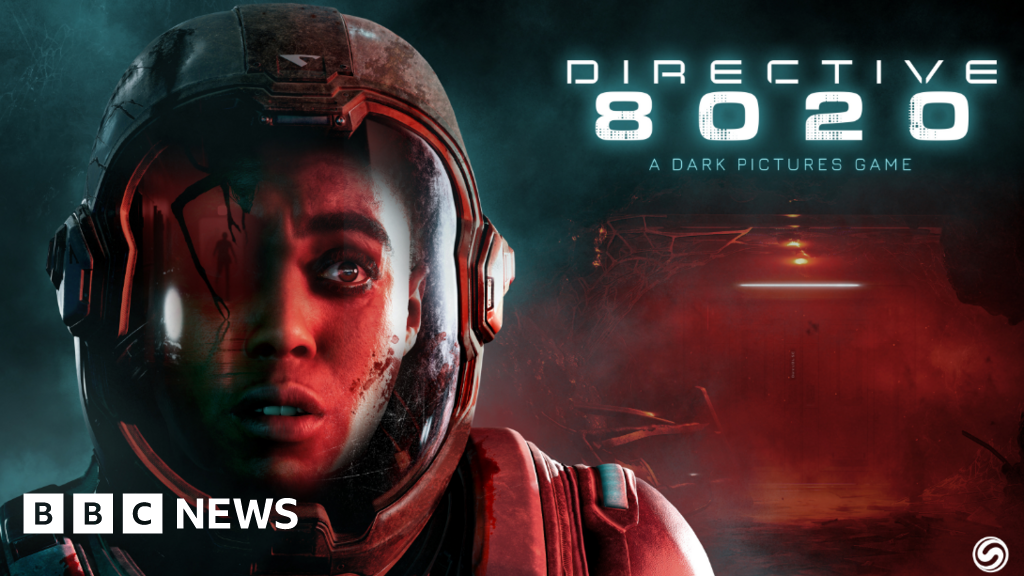
Supermassive Games delayed Directive 8020 by eight months, moving the release from 2 October 2025 to 12 May 2026, while also cutting 36 jobs amid challenging industry conditions. Management said the extra time should improve the final product and deliver the best experience for fans. The update is negative for the studio operationally, but the market impact is likely limited to the gaming sector.
The near-term read-through is less about the delayed title itself and more about capital allocation discipline across a structurally weak gaming market. Slippage paired with layoffs usually signals management is protecting gross margin and cash conversion rather than chasing growth, which tends to favor the larger platform owners and publishers with recurring live-service revenue over mid-cap studios dependent on hit-driven launches. The second-order effect is that content risk migrates outward: if smaller/independent publishers lose calendar slots, larger incumbents can capture share in horror, narrative, and premium cinematic segments without needing to spend materially more on marketing.
For MSFT, the direct earnings impact is immaterial, but the signal is mildly negative for the gaming ecosystem it influences through platform economics, studio employment, and project pipeline stability. The bigger issue is that repeated restructuring across the sector can depress developer utilization and delay content cadence, which eventually shows up as weaker engagement on console ecosystems and slower attach rates for premium releases. In the next 1-2 quarters, the market may care more about whether Microsoft continues cutting lower-return gaming initiatives than about this one delay; if so, sentiment pressure could extend to gaming-related supplier and middleware names.
The contrarian view is that delays in narrative-heavy games are often equity-positive for the publisher/developer if they improve quality enough to reduce refund risk and raise review scores, especially in a crowded release window. That means the article is not automatically bearish for the studio’s commercial outcome; it may actually increase lifetime value if the franchise benefits from stronger critical reception. The real downside risk is execution: if the extra time fails to produce a meaningfully better launch, then the layoffs become a tell that the company has traded optionality for survival, which would matter over a 6-12 month horizon more than on the launch-day tape.
AI-powered research, real-time alerts, and portfolio analytics for institutional investors.
Request DemoOverall Sentiment
mildly negative
Sentiment Score
-0.35
Ticker Sentiment
