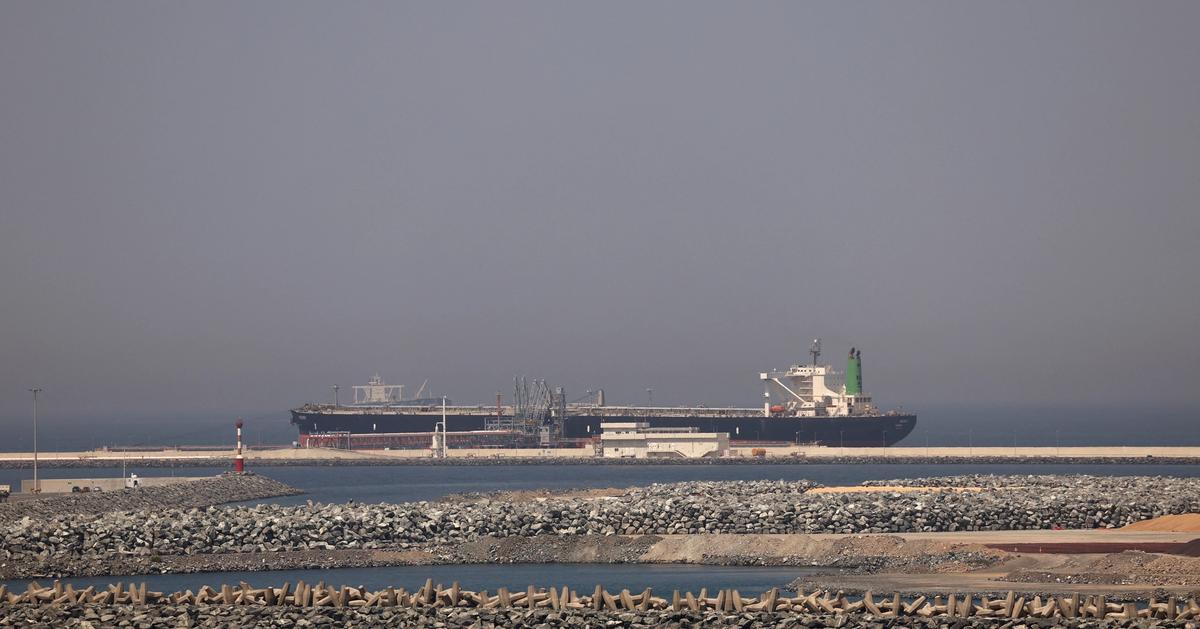
The US and Iran are reportedly nearing a temporary agreement to pause hostilities and reopen the Strait of Hormuz for one month, but tanker traffic may still be delayed for weeks even if a deal is reached. Oil prices only ticked up while stocks slipped as skepticism grew after renewed reported fire in the strait. The article underscores persistent supply risk through a critical energy chokepoint, keeping markets defensive.
The market is likely underpricing the distinction between a political de-escalation and a physical normalization of energy flows. Even if diplomacy advances, the bottleneck is operational: insurance, naval routing, port scheduling, and charterer confidence create a lag that can keep effective seaborne supply constrained for weeks after headlines turn benign. That means the first-order reaction is less about spot prices collapsing and more about a slower bleed in backwardation, with front-end volatility staying bid.
The bigger second-order effect is on import-dependent economies and transport-sensitive sectors, not just upstream energy. Refiners with alternative sourcing flexibility, LNG-linked utilities, and shipping names exposed to rerouting premiums can outperform if traders realize the market is still paying for friction, not barrels. Conversely, airlines, chemicals, trucking, and other fuel-intensive users may not get immediate relief because inventories and hedging layers delay passthrough for at least one to two billing cycles.
Consensus appears too anchored to a binary ceasefire/no-ceasefire framework, when the more relevant trade is duration of disruption versus restoration of confidence. A short-lived reopening that fails to restore tanker cadence would be bearish for crude only in the rearview mirror, while remaining supportive for volatility, defense, and logistics premiums in the near term. The asymmetric risk is a renewed incident in the strait: that would force positioning to reprice not just oil, but global growth expectations and cross-asset risk premia within days.
For portfolios, the actionable edge is in expressing lagged normalization rather than outright direction. The market is more likely to overshoot on the first headline and then correct as the physical data disappoints; that favors staged entry and options over spot beta. In other words, fade complacency, not necessarily the first peace headline.
AI-powered research, real-time alerts, and portfolio analytics for institutional investors.
Request DemoOverall Sentiment
moderately negative
Sentiment Score
-0.35
