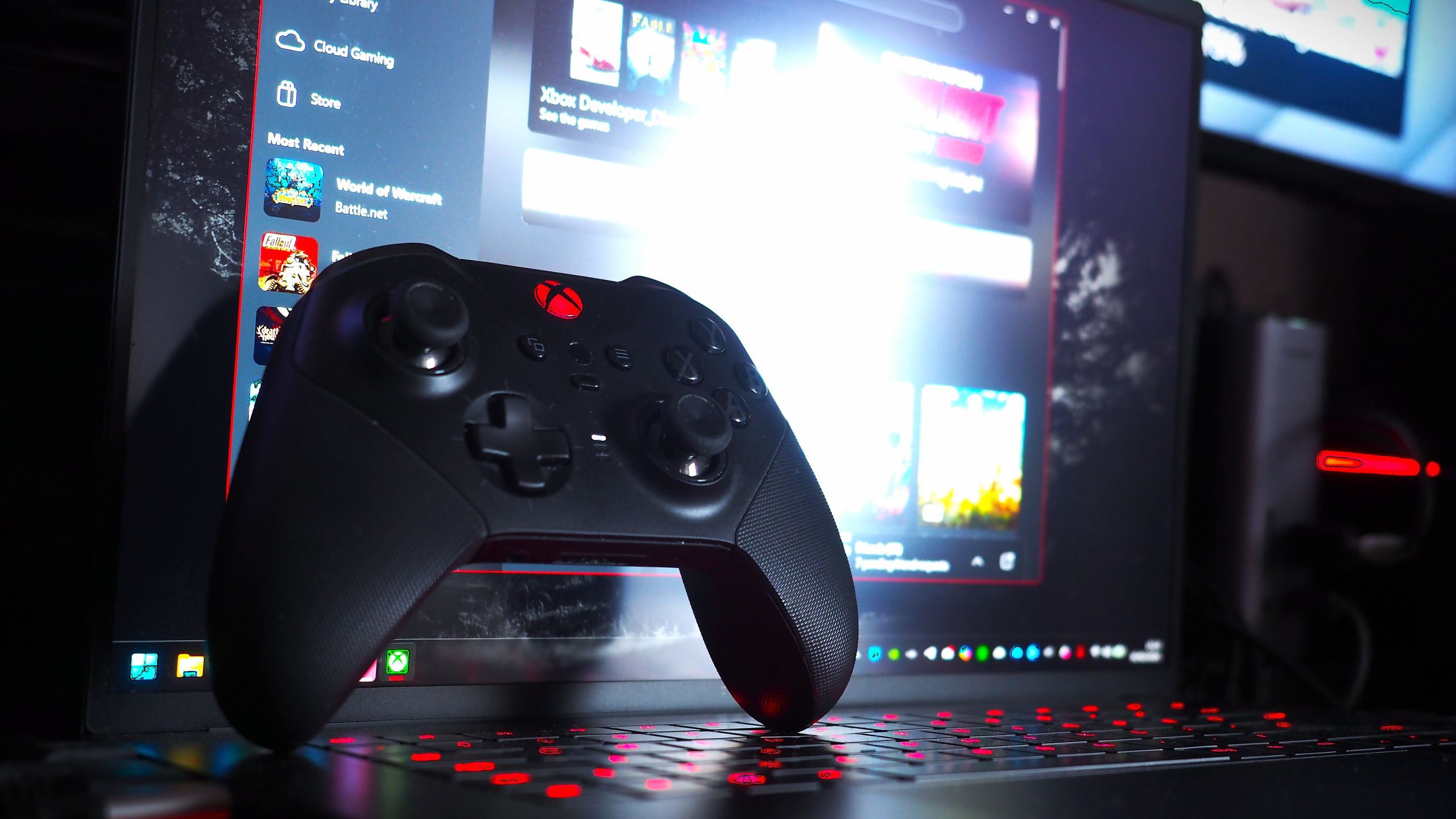
Microsoft's next-generation Xbox is being developed effectively as a full Windows PC with a TV/controller-first default UI, third-party store support, and full compatibility with the existing Xbox library; the company has a multi-year AMD hardware partnership and a target no earlier than late 2027. Recent Windows 11 reliability issues—notably an update that briefly broke the ASUS Xbox Ally handheld—underscore execution risk around polish, performance and user experience that could dent adoption of a PC-like console unless Microsoft fixes systemic Windows problems and demonstrates sustained commitment from leadership.
Market structure: Microsoft (MSFT) and AMD are the primary beneficiaries if the next Xbox is effectively a Windows PC—AMD gains incremental APU/SoC orders (could be +5–10% console revenue upside for AMD over 2027–2028), while Sony and closed-console ecosystems lose relative pricing power and exclusivity leverage. Third‑party storefronts (Steam, Epic, GOG) win from openness but platform UX friction could reduce short‑term adoption; consumer demand signals a shift toward modular, upgradeable hardware increasing component spend per device. Cross‑asset: semiconductor suppliers’ credit spreads could tighten on stronger demand (positive for IG credits in semis), while option IV on MSFT/AMD will spike around product/capex cycles; FX and commodities impact is muted but copper/PCB component cycles should be monitored if design volumes scale >10% year/year.
Risk assessment: Tail risks include a high‑visibility Windows update bricking consoles (5–10% probability) causing a quarter‑long sales hit and regulatory scrutiny over bundling (antitrust risk 10–20% over 2–3 years). Immediate risk (days/weeks) is further Ally update fallout; short term (3–12 months) is polish and partner readiness; long term (2027 launch) execution depends on Nadella’s capital reallocation and AMD supply capacity. Hidden dependencies: third‑party store agreements, OEM firmware signing, and QA cadence—failures here amplify reputational damage and reduce Game Pass monetization.
Trade implications: Favor semiconductors exposed to custom console APUs—establish modest overweight in AMD (2–3% NAV) and buy 6–12 month call spreads to cap cost; temper core MSFT exposure until the Windows task force shows measurable fixes (90 days). Relative trades: long AMD vs short select PC GPU incumbents if console wins shift share (size 1:0.5). Use options to hedge execution risk: buy 3‑6 month protective puts on MSFT if holding stock into major OS milestones.
Contrarian angles: Consensus underestimates Microsoft’s commercial incentive to prioritize Windows gaming after Activision/Blizzard/CoD acquisitions—this raises probability of aggressive OS investment and tighter QA processes (50–70% chance of material improvement by 2026). The Ally glitches create headline risk that may be overdone; if Microsoft delivers two clean updates in 90 days, MSFT downside is likely short‑lived and AMD upside underpriced. Historical parallel: Xbox platform missteps (Xbox One era) led to temporary share loss but long‑term recovery with better UX and first‑party titles; unintended consequence: a PC‑like Xbox could compress hardware margins but expand services (Game Pass) revenue mix.
AI-powered research, real-time alerts, and portfolio analytics for institutional investors.
Request DemoOverall Sentiment
mildly negative
Sentiment Score
-0.25
Ticker Sentiment
