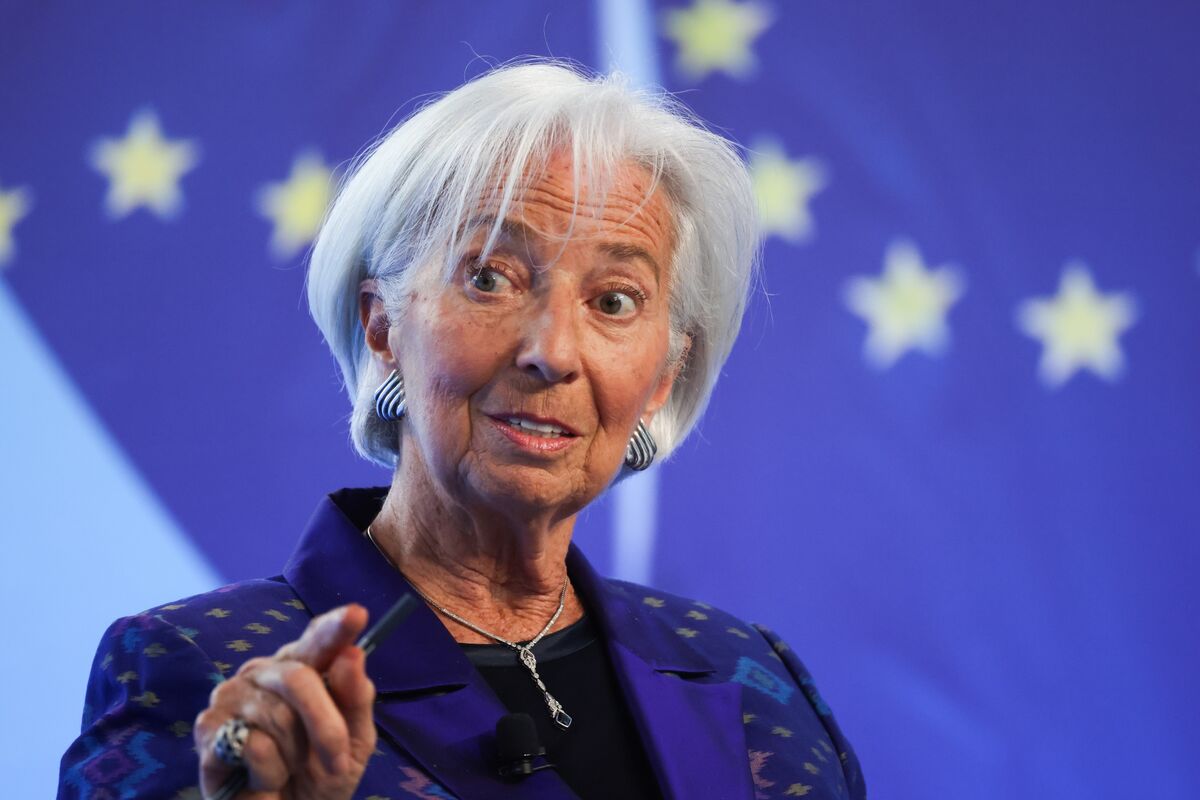
The ECB left the deposit rate unchanged at 2.00% for a sixth consecutive meeting. Officials gave no forward guidance and said they will act meeting-by-meeting while assessing how the war in Iran could affect inflation and the broader economy. The decision was fully priced in by analysts, suggesting limited immediate market reaction absent new data or geopolitical developments.
The ECB’s deliberate ‘‘one-meeting-at-a-time’’ posture raises policy uncertainty, which is itself a market disinflationary force for risk assets: corporates delay capex, credit spreads tick wider and bank loan growth softens even if headline rates stay unchanged. That dynamic disproportionately hurts short-dated, deposit-funded euro-area lenders that rely on repricing retail deposits into NIM — expect relative equity underperformance and higher funding costs for lower-rated corporates over the next 3–6 months.
Geopolitical tail risk (Iran escalation) creates a two-way price shock: a sharp oil spike would mechanically lift Eurozone CPI and force ECB hawkishness, but the concomitant growth hit and risk-off flows would push sovereign yields lower. Translate into timeframes: a disruptive escalation can move oil and risk premia within days–weeks; consumer price transmission plays out over 1–3 quarters and is the real determinant of whether the ECB pivots back to hiking.
The consensus focuses on rate-level headline risk and underweights the policy-option value created by the ECB’s stance: by not committing, the ECB raises the probability of a rapid reactive shift (hike or cut) if data flips, which raises realized volatility in short-dated euro rates and FX. That argues for small, cheap asymmetric hedges now while selectively shorting euro-sensitive cyclical financial exposure rather than large directional duration bets in supranational credit.
AI-powered research, real-time alerts, and portfolio analytics for institutional investors.
Request DemoOverall Sentiment
neutral
Sentiment Score
0.00
