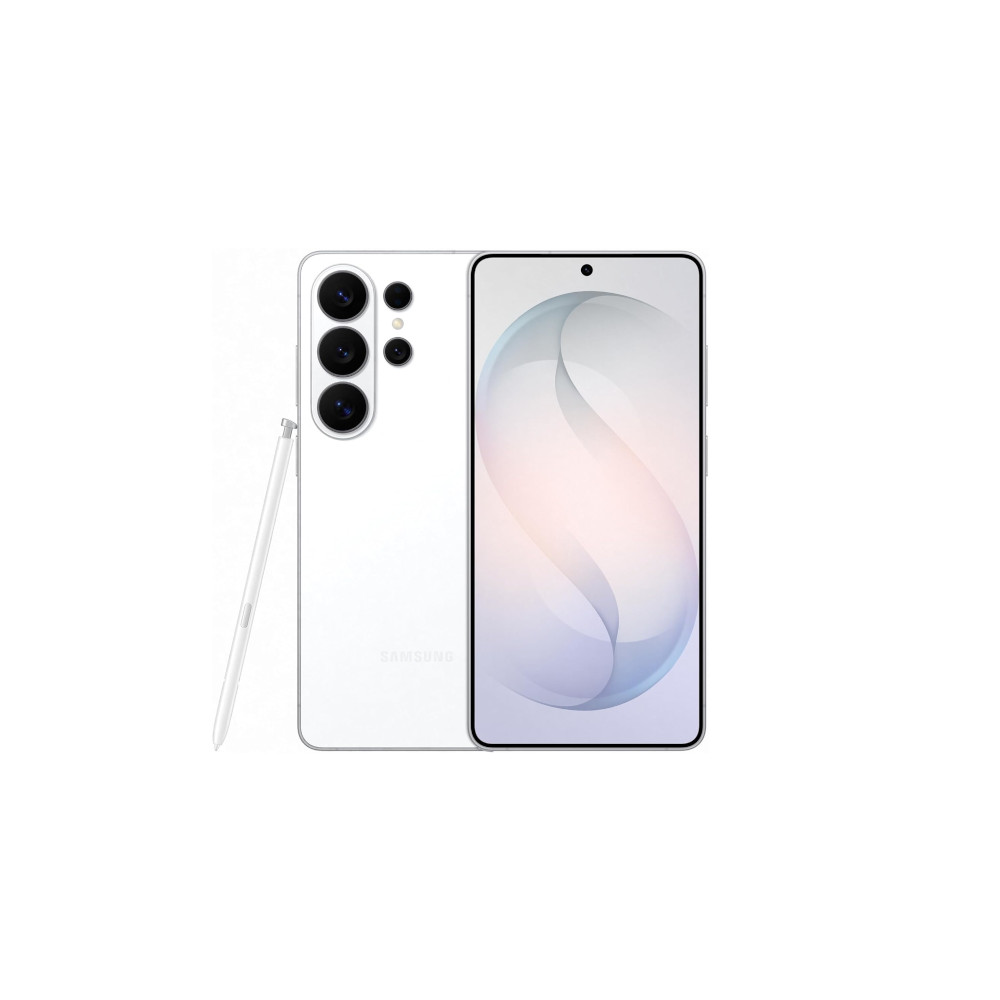
Samsung confirmed the Galaxy S26 Ultra ships with an 8-bit display panel despite pre-launch briefings that claimed a 10-bit panel, meaning no material color-depth improvement over the S25 Ultra. The company says the device uses a customized Snapdragon 8 Elite Gen 5 chipset for enhanced image processing, but the mismatch between stated and actual specs on a $1,299 flagship — coupled with a new Privacy Display that may affect fidelity — risks reputational damage and could dampen premium demand; rumors now suggest 10-bit panels may not arrive on Samsung flagships until the S28 in 2028.
Market structure: Short-term winners are Qualcomm (QCOM) and third-party 10-bit panel makers (LG Display 034220.KS, BOE 000725.SZ) because Samsung’s messaging shift emphasizes chipset image-processing over panel capability, creating repurchase or redesign opportunities worth low-single-digit revenue shifts for suppliers over 6–12 months. Samsung Electronics (005930.KS) is the direct reputational loser; expect a modest hit to Ultra-series pricing power (order-of-magnitude: 0–2% ASP risk on premium SKUs) as enthusiast buyers delay upgrades or switch brands.
Risk assessment: Tail risks include regulator/class-action scrutiny for misleading pre-launch claims (EU/US investigations) and a coordinated competitor marketing campaign; low probability but high impact could depress near-term margins by 1–3% and knock 2–5% off market cap over 3–12 months. Hidden dependency: Samsung is using image-processing to mask hardware limits—if benchmark labs expose visible banding, consumer trust and carrier promotion could decline faster than component supply shifts indicate. Catalysts to watch: independent lab tests, class-action filings, and next-quarter sell-through data within 30–90 days.
Trade implications: Tactical trades favor a small defensive short on Samsung and selective longs in semiconductor/display suppliers: size positions to 1–3% of portfolio, horizon 3–12 months. Use options: buy a 3-month put spread (5–10% OTM) on 005930.KS for downside protection and buy 6-month QCOM 10% OTM calls to capture outsized share of Galaxy chipset revenue; pair trade long LG Display vs short Samsung for relative display exposure. Rotate +3% overweight into SOXX (semis) and -2% underweight consumer electronics/retail exposure for next quarter.
Contrarian angle: The market is likely overstating fundamental damage—histor parallels (Apple’s Antennagate) show limited long-term revenue impact absent supply-chain disruption. If Samsung’s next 60–90 day sell-through and guidance remain intact (no >2% FY guidance cut), this is a buying opportunity; conversely, widen positions only if objective thresholds are met (regulatory probe opened or guidance cut >2%). Unintended consequence: aggressive competitor advertising could temporarily pressure Samsung but also boost component orders for alternate suppliers, creating a two-way trade.
AI-powered research, real-time alerts, and portfolio analytics for institutional investors.
Request TrialOverall Sentiment
moderately negative
Sentiment Score
-0.40
