
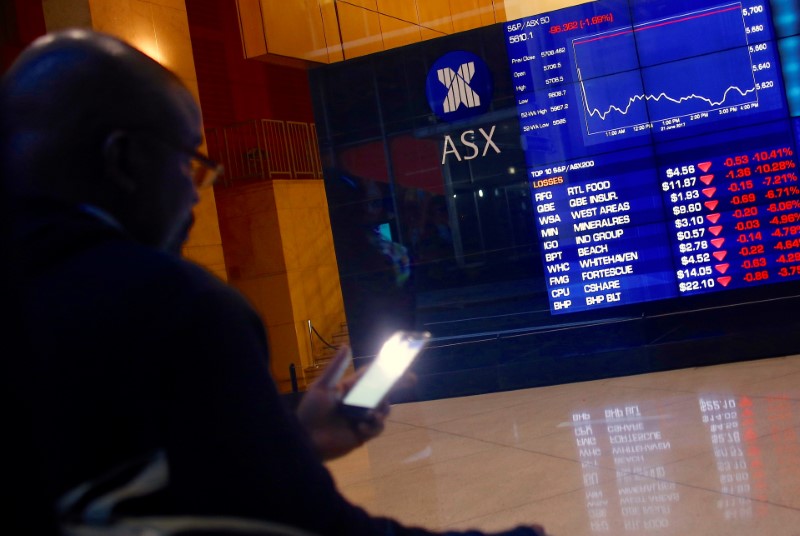
Australian equities fell 1.43% as geopolitical tensions and a sharp move in commodities drove broad risk-off trading. Gold futures dropped 1.60% to $4,409.87 an ounce while crude oil jumped 2.97% to $91.31 a barrel and Brent rose 2.89% to $94.92, highlighting heightened market sensitivity to Middle East developments. The S&P/ASX 200 VIX climbed 7.94% to 12.90, and the Australian dollar was mixed against the US dollar and yen.
The dominant read-through is not just higher headline energy prices, but a sudden re-pricing of tail risk across transport-heavy and input-sensitive sectors. A move in crude toward the low-90s combined with a firmer USD is a double hit for Australian cyclicals: it raises embedded cost pressure while tightening financial conditions, which helps explain why high-beta miners and domestically exposed retailers are getting de-rated at the same time.
The bigger second-order effect is volatility regime change. When implied vol lifts off a compressed base, systematic risk-parity and CTA exposures tend to cut gross across equities, which can keep pressure on the broader index even if the direct commodity shock fades. That also raises the odds that the current weakness becomes a multi-session de-grossing rather than a one-day commodity washout, especially if shipping or insurance costs begin to reflect geopolitical premia.
Within equities, the clearest relative winner is the ferrous scrap/recycling complex, where higher commodity price dispersion and supply disruptions can improve spreads and inventory marks without the same reserve-risk burden as miners. By contrast, gold miners are in a tricky spot: a risk-off tape normally helps the metal, but if the move is driven by USD strength and liquidation across managed futures, the first leg can be down even as the strategic hedge case improves later.
The market may be over-discounting the persistence of the shock in the wrong direction. If the flare-up remains contained, energy could mean-revert faster than implied by spot moves, while beaten-up miners may stabilize once forced selling ends; but if Strait-related risk becomes semi-structural, the real losers will be names with thin domestic pricing power and high fuel/logistics intensity. JHX is relatively insulated operationally, but the equity can still trade like a broad-risk proxy, so any bounce is likely to be more about de-risking easing than fundamental rerating.
AI-powered research, real-time alerts, and portfolio analytics for institutional investors.
Request TrialOverall Sentiment
moderately negative
Sentiment Score
-0.35
Ticker Sentiment
