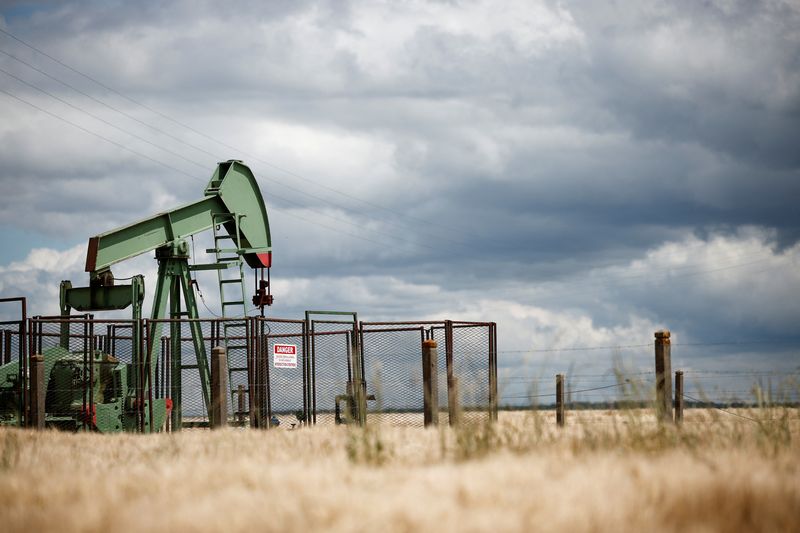
Goldman warns the S&P 500 could drop to 6300 if growth weakens; Morgan Stanley flags that rising oil prices from supply disruptions and geopolitical tensions could dent U.S. consumer spending if the shock persists. Higher fuel costs act like a tax on purchasing power, disproportionately hitting goods spending (durables like vehicles and appliances) and discretionary categories (dining, travel, clothing). The near-term hit is likely modest if price spikes are brief, but a persistent oil shock would materially drag real consumption and broaden inflationary pressures across transportation, logistics and production.
A persistent oil-price shock operates more like a rolling income-tax wedge than a one-off cost — immediate demand elasticity is low, but multi-month exposure reallocates spending and amplifies balance-sheet effects for credit-constrained cohorts. Expect durable-goods demand to lead the slowdown: when fuel-driven operating cost uncertainty hits, households defer big-ticket purchases (auto, appliances) first, which feeds back into OEM production plans, dealer inventory aging, and used-vehicle price dynamics within 2-3 quarters.
Logistics and margin secondaries matter more than headline gasoline numbers. For a typical national retailer, diesel and freight account for ~5-8% of COGS; a sustained 20% rise in diesel therefore mechanically trims gross margin by ~25–75 bps unless fully passed-through — a non-trivial hit that disproportionately pressures low-margin, high-turn operators and raises the probability of promotional activity that squeezes suppliers downstream. Industries with fixed freight contracts or long-term supplier agreements will show the pain with a 1–2 quarter lag as passthrough and renegotiations play out.
Market-wise, the most actionable early-warning signals are narrower than oil alone: a) rising credit-card and auto-loan 30–90 day delinquencies, b) a sustained uptick in used-car inventories and falling wholesale prices, and c) freight-rate indices (e.g., Cass/TSI) trending higher for 8+ weeks. If those diverge positively while oil remains elevated, equity weakness will first target consumer discretionary and travel in the 1–3 month window, then broaden to cyclical industrials and non-integrated consumer goods over 3–9 months.
AI-powered research, real-time alerts, and portfolio analytics for institutional investors.
Request DemoOverall Sentiment
mildly negative
Sentiment Score
-0.25
Ticker Sentiment
