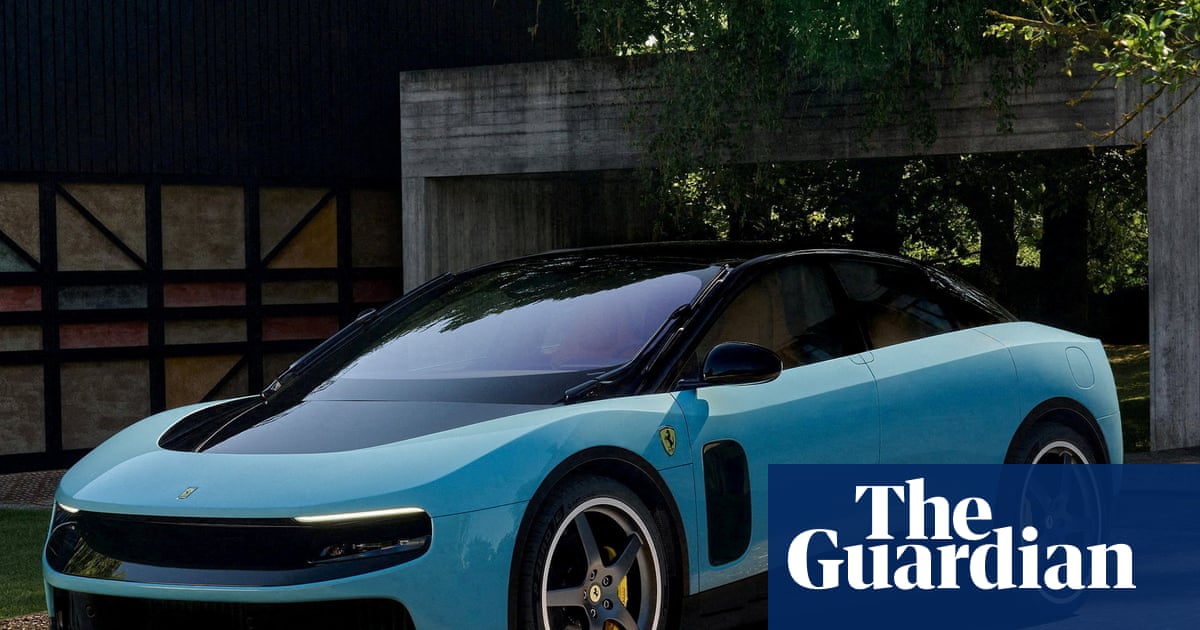
Ferrari's first fully electric car, the Luce EV, triggered a sharp fan backlash and an 8.4% drop in Milan trading before shares partially recovered 3.5% on comments that buyers were showing interest. Management says the model is attracting orders, but investors and brand loyalists remain skeptical about its design and lack of engine sound. Analysts noted the backlash may not materially change Ferrari's investment case because production is expected to stay below 1,000 units.
The market is treating the launch as a referendum on Ferrari’s brand equity, but the deeper issue is mix risk: an EV entry compresses the emotional premium that has historically supported both pricing power and scarcity value. If the first wave of adopters skews toward existing loyalists, the stock can recover quickly; if the addressable buyer is mostly new luxury customers, Ferrari is effectively testing whether it can behave like a modern luxury-tech house without diluting its halo. That is a tougher transition than a simple powertrain swap.
The bigger second-order risk is not near-term unit volume, but forward margin architecture. EVs tend to reallocate value from engine character to software, interiors, and brand; that can protect ASPs but usually lowers differentiation in the drivetrain, which matters because Ferrari’s moat has long been experiential, not just functional. Any sign that the company must spend heavily on bespoke acoustic/UX features to preserve the aura would pressure FCF conversion over the next 12-24 months even if launch demand looks fine.
The selloff may be overdone relative to the small production run, but the correction is not meaningless: it’s a signal that the stock is still valued like a pristine luxury franchise, not a cyclical product company. The contrarian setup is that a hostile enthusiast reaction can actually strengthen the economics if it proves scarcity and keeps the model from broadening too quickly; in that case, the launch becomes a brand-preservation exercise rather than a volume bet. The key catalyst is order quality over the next two quarters, especially whether take-rate is led by new wealthy buyers and whether the company avoids margin-dilutive customization costs.
AI-powered research, real-time alerts, and portfolio analytics for institutional investors.
Request DemoOverall Sentiment
mildly negative
Sentiment Score
-0.15
Ticker Sentiment
