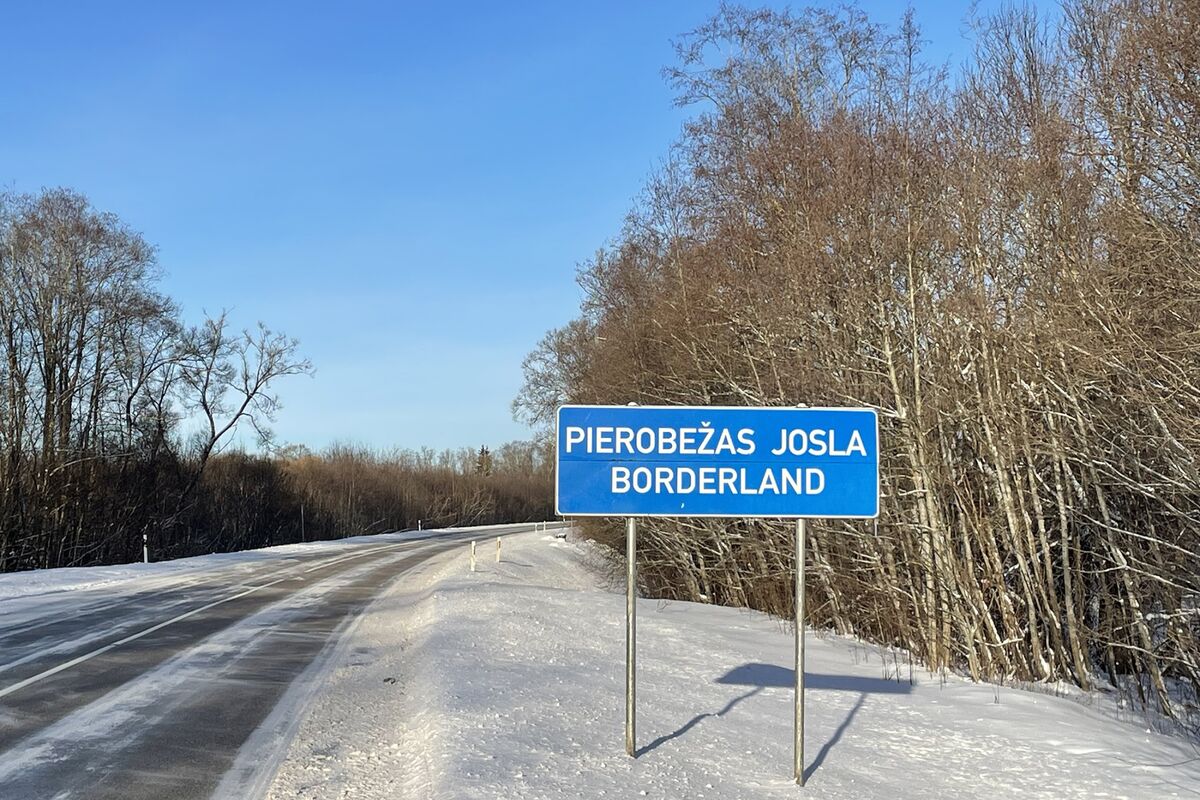
The Baltic states say the economic break with Russia is largely complete, with total trade between the three countries and Russia plunging 91% from 2021 to 2025. The article frames this as evidence that the war in Ukraine has forced a major restructuring of regional supply chains and business models, while officials warn the threat from Moscow remains elevated. The market impact is limited but relevant for geopolitics-sensitive assets and regional trade exposure.
The key market implication is not the bilateral trade collapse itself, but the permanent repricing of “border friction” across Northern Europe. Companies with legacy exposure to Russian inputs, transport corridors, or end-demand are likely to face a multi-year impairment as routing, compliance, and insurance costs stay elevated even if headline hostilities stabilize. That tends to favor firms with redundant supply chains, Baltic/Nordic logistics alternatives, and domestic substitution capacity, while punishing operators that once relied on cheap eastern arbitrage.
Second-order, the Baltic posture is a leading indicator for sanctions durability. If these governments are effectively warning allies against fatigue, the probability rises that export-control enforcement stays tight and broadens into adjacent categories such as dual-use industrial components, shipping services, and financial intermediation. The economic “winners” are less obvious than energy majors; they include cybersecurity, defense electronics, rail/port infrastructure outside the Russian orbit, and select EU industrials that capture reshoring and friend-shoring capex.
The contrarian risk is that markets may be underestimating how much of the adjustment cost is already absorbed. A 91% trade drop sounds dramatic, but the incremental marginal damage from here is lower unless there is a fresh escalation, asset seizures, or tighter secondary sanctions. The bigger tail risk is policy reversal after a ceasefire narrative: even a temporary thaw could compress risk premiums in Baltic assets, but would likely be false comfort if governments and corporations have already re-engineered operations around a hostile baseline.
For EM, the signal is mixed: countries positioned as alternative logistics or manufacturing nodes in the EU periphery can gain share, while any region still dependent on Russian transit, energy, or fertilizer inputs remains vulnerable to input-cost shocks and sporadic supply interruptions. The medium-term setup is thus a dispersion trade, not a macro call on the region as a whole.
AI-powered research, real-time alerts, and portfolio analytics for institutional investors.
Request TrialOverall Sentiment
moderately negative
Sentiment Score
-0.30
