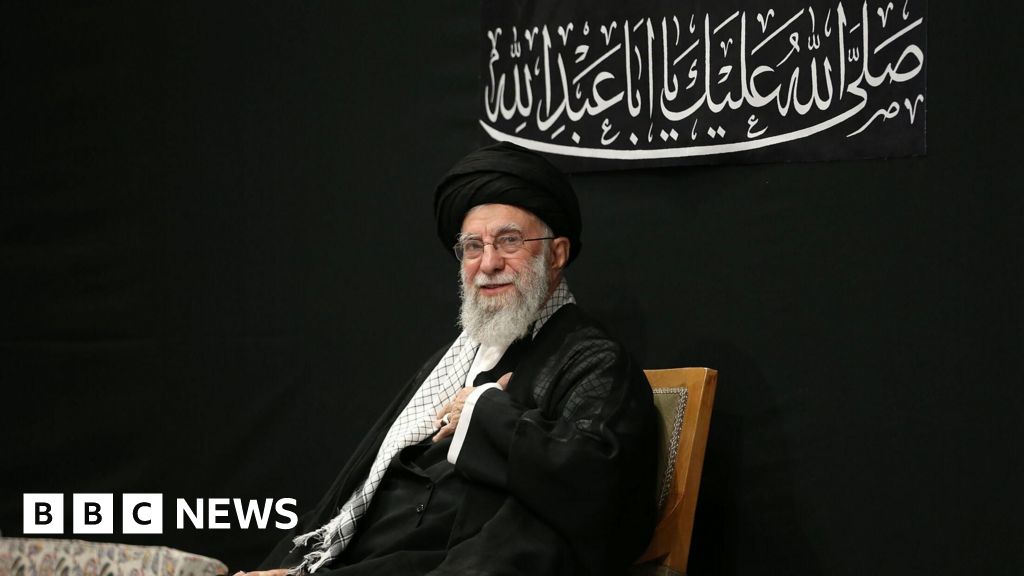
Iran's Supreme Leader Ayatollah Ali Khamenei has made his first public appearance since the recent 12-day conflict with Israel and the US, which involved Israeli and US strikes on Iranian nuclear facilities and resulted in significant casualties, including top Iranian commanders. His re-emergence during the Ashura festival, countering prior speculation about his whereabouts, projects leadership presence and continuity following a period of heightened regional tension where he had vowed Iran would not surrender.
The first public appearance of Iran's Supreme Leader Ayatollah Ali Khamenei since the recent conflict with Israel and the US is a calculated move to project stability and reaffirm leadership control. This follows a significant 12-day war, which commenced on June 13 and involved direct Israeli and US military strikes on key Iranian nuclear facilities at Fordo, Natanz, and Isfahan. The conflict resulted in substantial losses for Iran, including over 900 casualties and the deaths of top commanders and nuclear scientists. Khamenei's re-emergence, heavily promoted by state media during the important Shia festival of Ashura, serves primarily as a domestic message of resilience, countering speculation about his status during the conflict. While his appearance may temper immediate fears of leadership decapitation, the underlying geopolitical landscape remains fundamentally altered. The direct military engagement has set a new precedent for regional conflict, and the operational status of Iran's damaged nuclear program remains a critical, unresolved variable for regional security.
AI-powered research, real-time alerts, and portfolio analytics for institutional investors.
Request DemoOverall Sentiment
mixed
Sentiment Score
0.00
