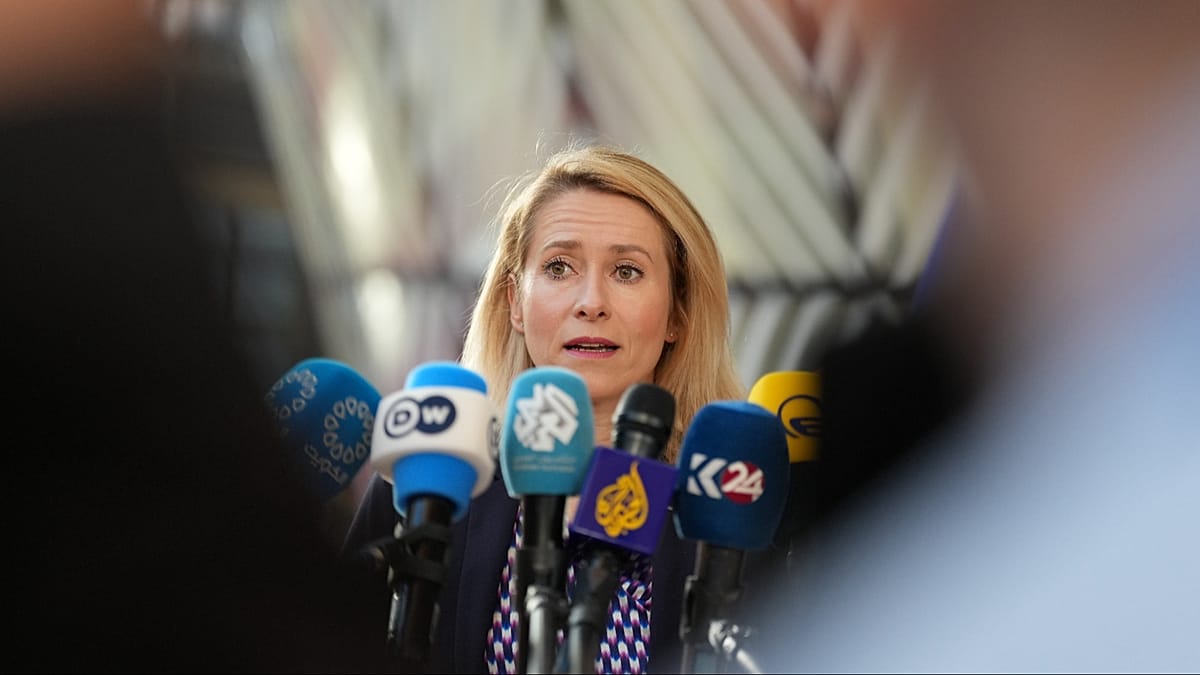
About one fifth (~20%) of global oil transits the Strait of Hormuz and oil has risen above $100/bbl amid what analysts call the largest disruption to global oil supplies in history. EU foreign ministers are meeting to consider expanding the mandate of the Aspides naval mission to secure shipping, but Germany and Luxembourg have signalled limits to direct military involvement and unanimous support appears unlikely. Continued US pressure and lack of allied consultation increase upside oil-price and geopolitical volatility risk, posing a material market-wide shock to energy and shipping-exposed sectors.
European political fragmentation over an expanded naval mandate creates a gap between stated intent and on-the-water capacity; that gap will sustain elevated risk premia in maritime insurance, tanker charter markets and energy price volatility over the next 1–6 months. Expect shipping to reroute and take longer voyages where possible, which mechanically raises tonne-mile demand for tankers and increases fuel burn and operational costs for shippers, amplifying freight-rate inflation even if crude flows are only partially disrupted.
This environment creates asymmetric winners: owners of large crude tankers and spot-oriented shipping firms capture outsized cashflow from higher VLCC/Suezmax rates, while refiners and transport-intensive sectors face margin compression from persistently higher bunker/jet fuel costs. Defense contractors and maritime surveillance/IP systems firms stand to gain from accelerated procurement cycles if Brussels opts for capability coordination rather than kinetic deployment — procurements that typically convert into multi-quarter revenue ramps and multi-year follow-through.
Tail risks cluster around escalation vs rapid de-escalation. A sustained kinetic widening would push energy volatility higher for quarters and justify sizable capital allocation to shipping/energy assets; conversely, a diplomatic reset within 30–60 days would likely snap spreads back, creating sharp downside for levered, spot-exposed equities. Monitor two near-term catalysts: EU minister consensus language on mandate scope (days–weeks) and visible shifts in commercial insurance pricing/war-risk zones as carriers re-declare lanes (1–4 weeks).
AI-powered research, real-time alerts, and portfolio analytics for institutional investors.
Request DemoOverall Sentiment
mildly negative
Sentiment Score
-0.35
