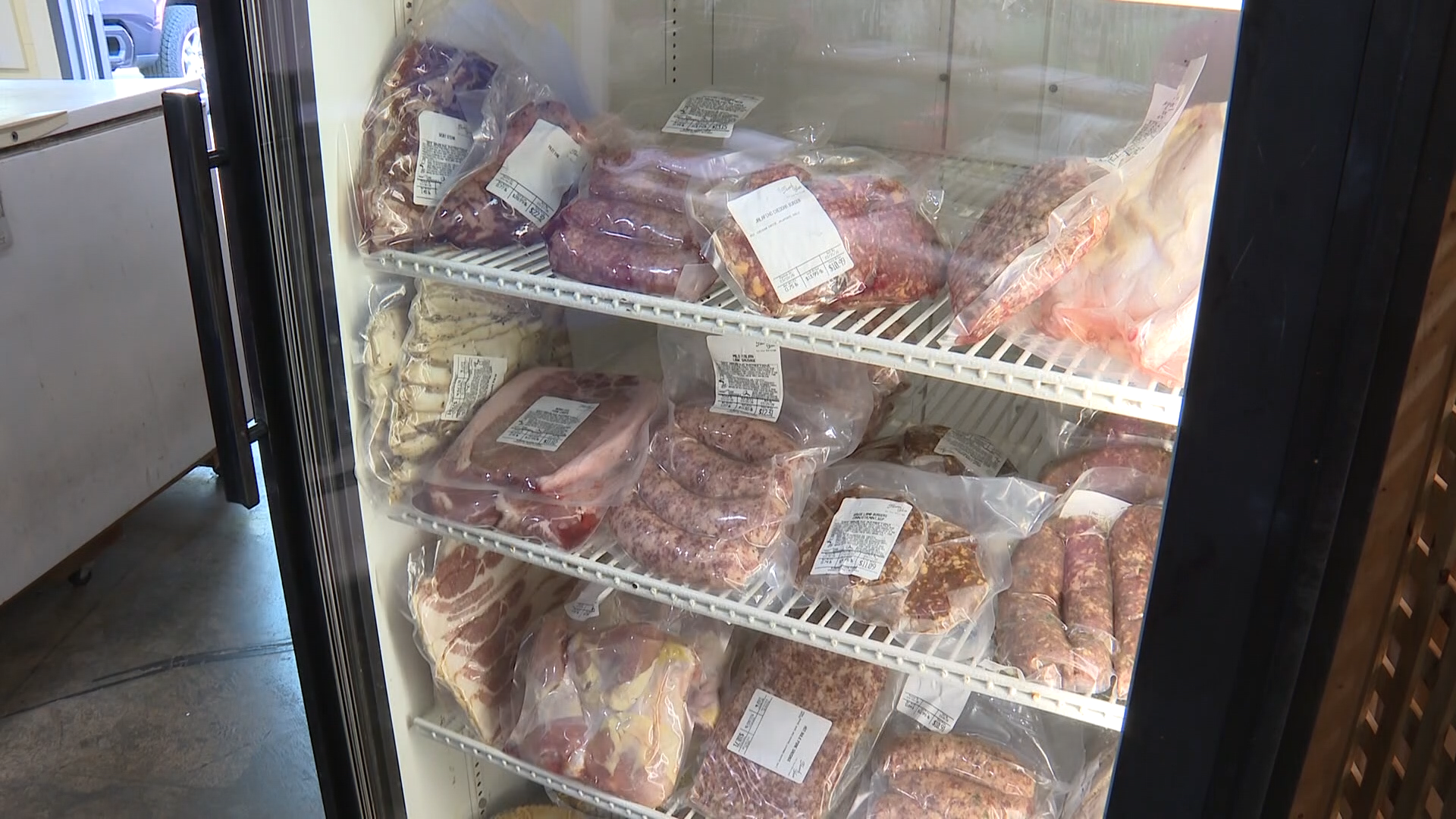
Gas prices in North Carolina have risen to about $3.94/gal on average (Raleigh $3.71/gal), up roughly $1 since Feb. 28 and about $0.98 over the last month, while U.S. nitrogen fertilizer costs are up >30% since Iran began attacking ships. Small independent farmers report diesel near $5/gal, high transport costs (e.g., 75-mile one-way trips, vans ~16 mpg) and rising electricity/heat costs, squeezing margins and limiting their ability to raise retail prices until the geopolitical crisis eases.
Small, last-mile producers face an outsized per-trip cost shock that is easy to quantify and hard to pass through: a vehicle that does 16 mpg sees an incremental ~$0.0625 per mile for each $1/gal rise in fuel. For a 150-mile round trip that’s ~ $9.40 of added expense per market day — meaning a 1–3 day-per-week vendor can see $40–120/month of direct transport cost pressure, a material line-item for sub-$10k monthly revenue operations. That math favors larger, vertically integrated suppliers and distributors who can dilute fixed transport and cold‑storage costs across volumes and negotiate fuel‑surcharge contracts.
Higher energy-driven input costs (notably nitrogen fertilizer and plastic packaging) create a blunt force on planting and inventory decisions with 3–12 month lag effects: farmers either cut input intensity (lower yields) or shift acreage toward higher-margin crops, both of which reduce near-term supply elasticity. The net is higher wholesale food prices and greater margin dispersion across the food value chain — scale and hedging capability become primary competitive advantages.
Catalysts that would reverse the pressure are clear and near-term: reopening of chokepoints, meaningful diplomatic de‑escalation, or coordinated SPR/distribution actions that quickly unwind backwardation in refined products. Absent those, expect consolidation among small suppliers, a pickup in spot freight rates and fuel‑surcharge revenues for intermediaries, and a persistent pricing advantage for integrated processors/retailers with hedging programs.
AI-powered research, real-time alerts, and portfolio analytics for institutional investors.
Overall Sentiment
mildly negative
Sentiment Score
-0.30
