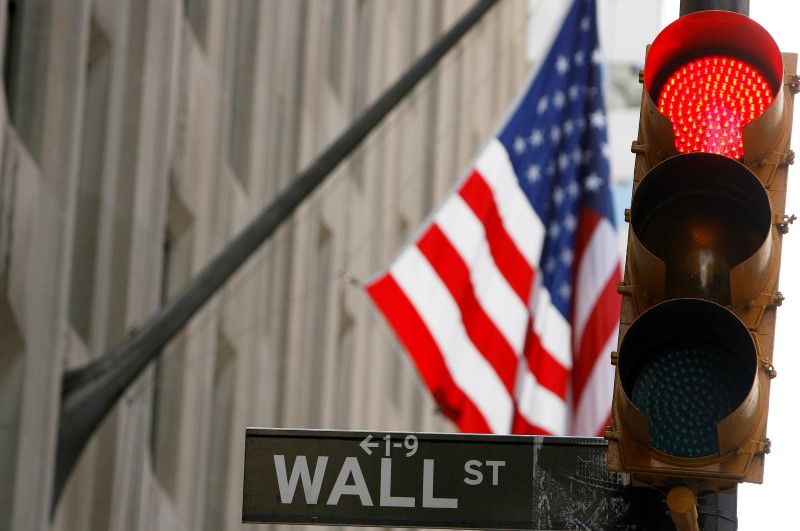
U.S. futures sold off sharply, with S&P 500 Futures down 1.2%, Nasdaq 100 Futures down 1.4%, and Dow Jones Futures down 1.1% after ceasefire talks with Iran failed and Washington prepared a Strait of Hormuz blockade. Brent crude surged back above $100 a barrel as the conflict threatened further oil supply disruptions, intensifying inflation fears after March CPI showed energy-driven price pressures. The developments point to elevated volatility across equities, commodities, and rates ahead of a heavy week of bank earnings.
This is a classic late-weekend macro shock that hits equity duration, cyclicals, and any position dependent on falling inflation simultaneously. The first-order move is obvious, but the more important second-order effect is that higher energy now transmits into a harder-to-cut inflation component, which can keep real yields elevated even if growth expectations soften. That is a tougher mix for high-multiple software, semis, and discretionary than for the index level alone suggests. The bank setup is asymmetric: nominal rates may stay higher for longer if inflation re-accelerates, but the near-term P&L hit from the event is limited unless credit spreads gap meaningfully. What matters over the next 1-3 weeks is not NII, but capital-markets activity and risk appetite; if equities stay under pressure and volatility rises, GS is more exposed than the more retail/credit-centric lenders. TSM is the cleanest single-name beneficiary in the data only because any relief in AI capex sentiment can be swamped by broader multiple compression; it likely underperforms on factor flow even if fundamentals are unchanged. The market is likely underpricing how quickly this can bleed into transport, chemicals, and consumer margins through higher input and freight costs. The longer the disruption lasts, the more this becomes a positioning event rather than a pure commodity trade: systematic funds will de-risk on both higher oil and higher CPI surprise probability. Conversely, if there is even a partial corridor reopening or credible diplomatic channel within days, crude could retrace violently because the move has become crowded and headline-driven rather than inventory-driven. The contrarian angle is that the immediate fear may peak before the macro damage is visible. If policymakers respond with strategic releases or logistics exemptions, energy can mean-revert faster than equities, leaving late buyers of oil exposed while inflation expectations remain sticky. That argues for trading the spread between inflation-sensitive equities and commodity beta rather than chasing outright crude here.
AI-powered research, real-time alerts, and portfolio analytics for institutional investors.
Request DemoOverall Sentiment
strongly negative
Sentiment Score
-0.68
Ticker Sentiment
