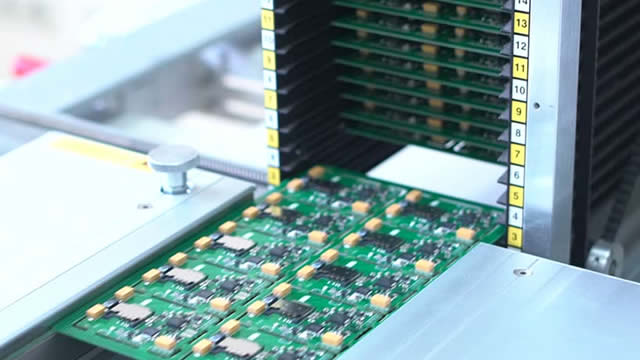
The article argues TSMC’s process leadership and advanced packaging scale keep it entrenched as the core foundry in the global supply chain, even as capex normalizes and competition increases. It suggests “Physical AI” and real-world inference use cases will further widen the moat, with next-gen manufacturing processes targeting automotive and edge applications. Overall message is supportive but lacks a concrete catalyst or new financial figure.
TSMC remains a quality compounder, but the market is likely underpricing how much of the value accrual shifts from leading-edge logic into packaging, yield, and customer optionality. That favors a narrower set of suppliers and customers: advanced packaging capacity becomes the bottleneck, while second-tier foundries and “me-too” fabs face a tougher pricing environment because they cannot offer both scale and neutrality. In other words, the competitive moat is less about headline node leadership and more about being the default allocation point for every compute platform that cannot risk single-vendor lock-in.
The near-term catalyst is not the AI buildout itself, but the inventory of proof points that physical AI is moving from narrative to qualification cycles. That’s a months-long process: automotive and edge inference designs take longer to ramp, so revenue acceleration will likely appear first in packaging utilization and mix, then only later in wafer demand. The risk is that investors extrapolate too quickly; if capex growth keeps normalizing, the multiple can stall even while fundamentals remain best-in-class.
Contrarianly, consensus may be too complacent about concentration risk. If customers keep shifting critical workloads to TSMC, geopolitical premium and supply-chain resilience spending could eventually pull more capex and design activity toward alternative geographies, especially if policy incentives improve. Falsifiers: a visible slowdown in advanced packaging bookings, margin compression from pricing pressure at mature nodes, or any sign that AI inference demand is not translating into sustained utilization over the next 1-2 quarters.
AI-powered research, real-time alerts, and portfolio analytics for institutional investors.
Overall Sentiment
mildly positive
Sentiment Score
0.18
Ticker Sentiment
