Brent crude fell more than $30 to $89.20/bbl after US President Donald Trump said the war 'could be over soon' but also warned Iran would be hit 'twenty times harder' if it stops oil flow through the Strait of Hormuz. Iran's IRGC claimed a five-missile strike on Harir air base and threatened to halt Gulf oil exports, while regional defenses were bolstered (US Patriot deployed to Malatya, Germany temporarily withdrew Baghdad embassy staff). Asian equities rebounded on Trump’s comments (Nikkei ~+3%, KOSPI ~+5.5%), but the backdrop—threats to Hormuz, ongoing strikes and proxy actions—implies elevated market-wide volatility and a material upside risk to oil prices if supply is disrupted.
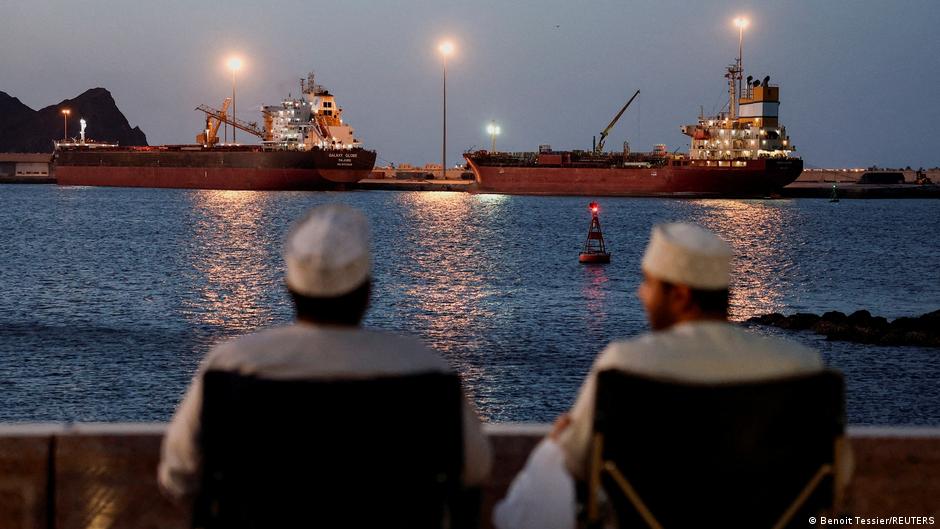
The true market lever is not Iranian production alone but the asymmetric vulnerability of global seaborne logistics and insurance. A temporary closure or harassment of the Strait of Hormuz creates outsized short-term shocks because ~20-30% of seaborne crude would need rerouting around Africa, adding 10-20 days to voyages, lifting tanker demand and war-risk premiums by multiples and producing a Brent>WTI blowout for days–weeks.
Current positioning looks complacent: physical stocks, forward curves and options skew show traders are pricing a short-duration event, not a logistics-driven supply shock. If war-risk stays elevated beyond two to four weeks, expect storage builds to reprice (contango deepens), freight rates to spike, and refiners with Asia-Pac crack exposure to see margin compression even as upstream cash flows expand.
Defense and security suppliers with near-term award pipelines (missile defense, air defenses, ISR) should see order reallocation within 3–12 months, while capital-intensive midstream projects (pipelines around chokepoints) gain optionality but will take years to materialize. Conversely, integrated refiners and airlines are the first cyclical casualties — fuel cost passthrough is limited and hedges expire, creating margin squeezes in the next 1–3 quarters if elevated premiums persist.
Key catalysts to watch: (1) trajectories in war-risk insurance and Baltic/TCI tanker indices over the next 72 hours, (2) any coordinated SPR releases or rapid OPEC+ supply rebalancing within 1–4 weeks, and (3) defense procurement statements/bridge financings over 1–6 months that lock in higher capex for missile/air defenses. Each catalyst has asymmetric market responses — shipping and short-dated Brent volatility will lead, corporate winners lag but deliver durable earnings upgrades if the conflict endures.
AI-powered research, real-time alerts, and portfolio analytics for institutional investors.
Request DemoOverall Sentiment
strongly negative
Sentiment Score
-0.70
