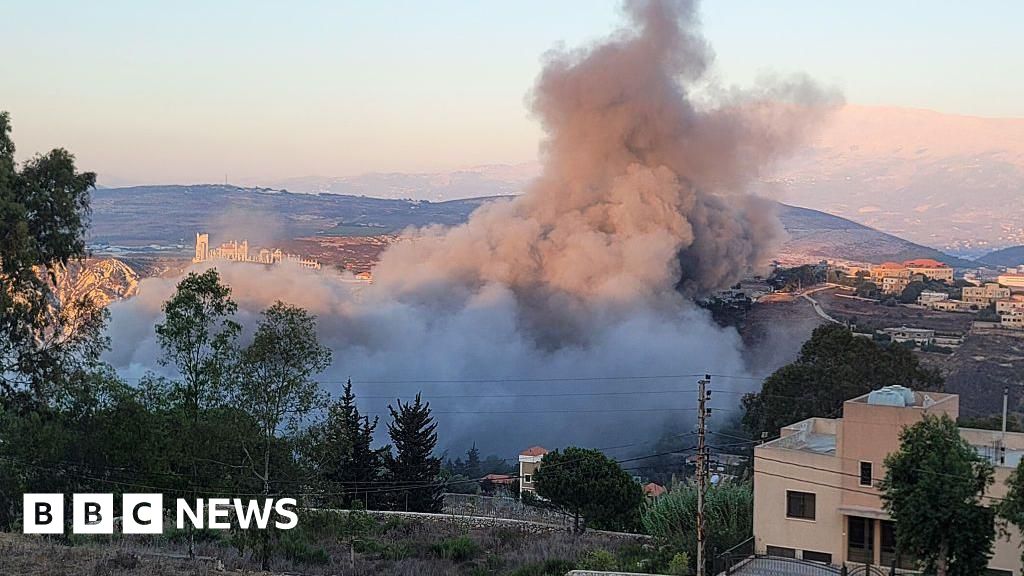
Israel conducted extensive air strikes in southern Lebanon, targeting Hezbollah infrastructure in response to alleged re-establishment efforts, despite a November ceasefire. Lebanon's Prime Minister condemned these actions as aggressions, urging international pressure on Israel to adhere to ceasefire terms and calling into question Israel's commitment to existing agreements. This escalation underscores persistent regional instability and the challenged efficacy of existing peace accords, particularly given Hezbollah's continued defiance of Lebanese government authority over arms.
Recent Israeli air strikes in southern Lebanon represent a significant escalation in regional tensions, directly challenging the stability of the November ceasefire agreement. While Israel justifies the attacks as targeting Hezbollah infrastructure to prevent the group's re-establishment of activities, the Lebanese Prime Minister has condemned the actions as a violation of the accord and called for international pressure on Israel. The core weakness of the ceasefire is exposed by the fact it was brokered between the states of Israel and Lebanon, not the non-state actor Hezbollah. Furthermore, Hezbollah's explicit decision to disregard the Lebanese government's mandate to establish a state monopoly on arms critically undermines Beirut's ability to enforce its commitments, creating a persistent pretext for conflict. This dynamic, coupled with the event's high market impact score of 0.65 and 'uncertain' tone, points to sustained geopolitical instability and questions the effectiveness of current diplomatic frameworks, likely increasing risk premia for regionally exposed assets.
AI-powered research, real-time alerts, and portfolio analytics for institutional investors.
Request DemoOverall Sentiment
moderately negative
Sentiment Score
-0.40
