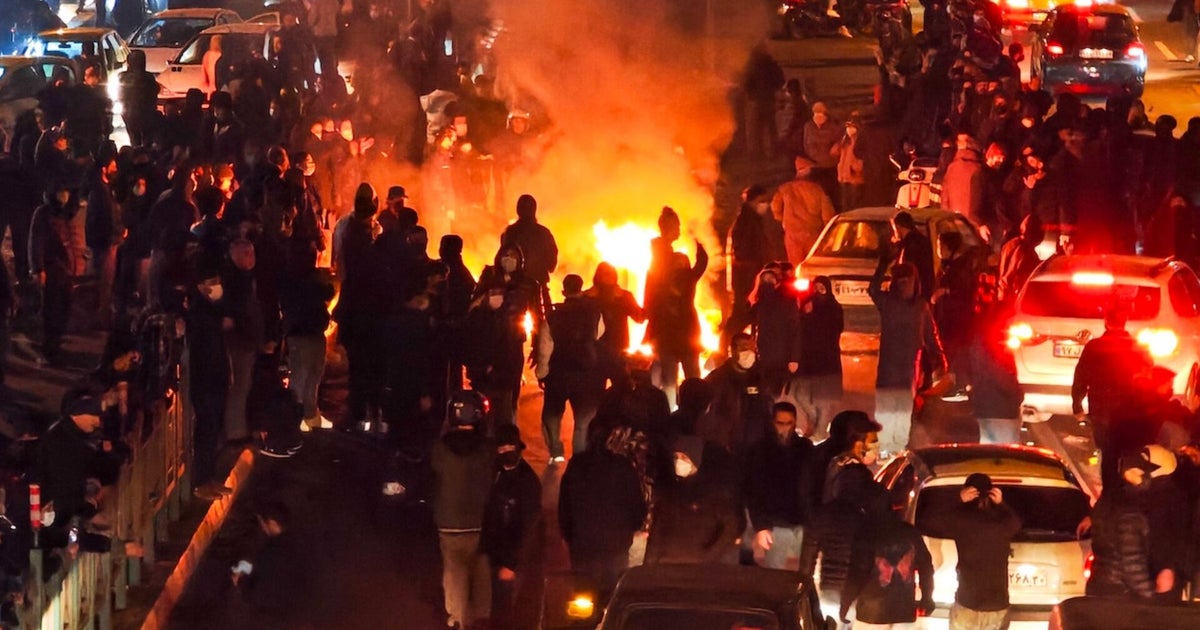
Iranian authorities have launched a broad post-protest crackdown that includes arrests of thousands, possible death sentences, and the seizure and cancellation of business licenses — exemplified by the arrest and closure of Mohammad Saedinia’s cafes and mall. Sources cited by CBS News estimate the crackdown may have killed some 12,000 people, while the judiciary is seeking to identify and confiscate property of those it labels “terrorists,” a move that raises political and asset-risk for domestic businesses and foreign investors. The regime is publicly framing the unrest as foreign-instigated and signaling both reprisals abroad and a return to order, increasing geopolitical risk and likely keeping investors wary of Iranian and related emerging-market exposures.
Market structure: Immediate winners are energy producers (higher pricing power for Brent-linked exporters), defense contractors, gold/miners and marine insurers; losers are Iranian domestic businesses, regional banks and liquid EM equity/FX. Expect a short-lived risk premium in Brent of $10–$30/bbl if shipping or sanctions escalate, higher insurance costs for tankers (insurers/TC rates up 20–100% depending on route), and pressure on EM credit spreads (+50–300bp possible in acute stress).
Risk assessment: Tail risks include closure/serious disruption of the Strait of Hormuz (low probability, high impact: >$30/bl spike), US-Iran kinetic escalation, or widescale asset seizures inside Iran that trigger regional capital flight. Time horizons: days = safe-haven flows (gold, USD, US Treasuries); weeks–months = sanctions, tighter EM funding, defense spending revisions; quarters = secular re-rating of regional risk premia. Hidden dependencies: OPEC+ spare capacity, US SPR releases, and Chinese oil demand will cap upside; insurance market capacity is a throttling factor.
Trade implications: Implement short-duration convex trades: tactical Brent call spreads (1–3 month) and durable small longs in GLD/GDX + selective defense longs (LMT/RTX) while hedging EM exposure (short EEM or buy puts). Size carefully: tactical trades 1–3% notional, strategic reallocations 2–5% with explicit stop/triggers tied to Brent moves and public-policy events.
Contrarian view: Consensus may over-rotate into energy/defense; if no kinetic escalation within 30 days and Brent premium compresses to <$5, oil longs are likely overbought and EM assets will mean-revert. Watch for SPR releases or diplomatic de-escalation as catalysts that can reverse the risk-off trade rapidly.
AI-powered research, real-time alerts, and portfolio analytics for institutional investors.
Request DemoOverall Sentiment
strongly negative
Sentiment Score
-0.78
