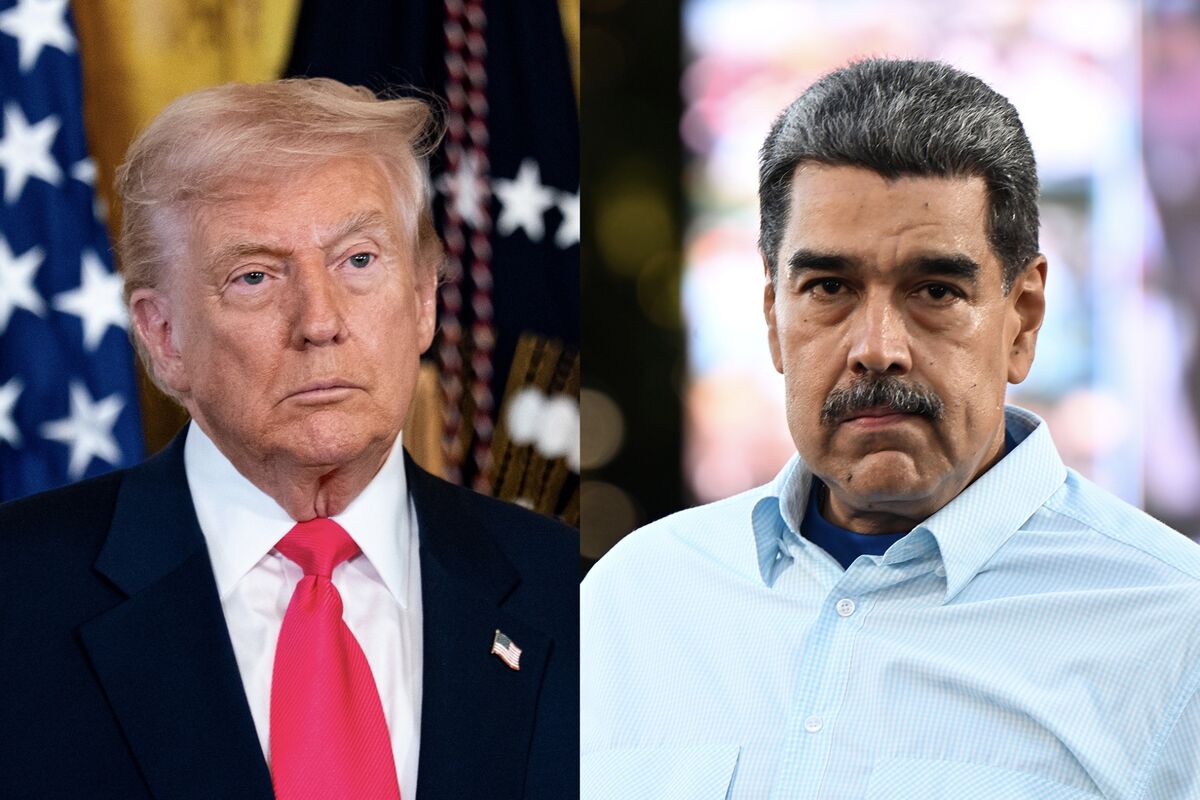
President Donald Trump reportedly spoke last week with Venezuelan leader Nicolás Maduro and the two discussed a possible meeting, according to the New York Times, as the U.S. increases pressure on Caracas amid talk of potential military strikes. The development raises short-term geopolitical risk for Latin America and could affect regional assets, sanctions-related exposures and energy-sensitive sectors, prompting a cautious, risk-off stance for investors monitoring escalation or policy shifts.
Market structure: A credible US–Venezuela diplomatic opening amid threats of force raises short-dated geopolitical risk premia. Winners: defense primes (LMT, NOC, RTX) and safe-haven assets (TLT, GLD) from a volatility spike; losers: EM FX/sovereign credit and oil shipping/insurance-sensitive plays. Expect a 3–8% knee-jerk move in WTI and a 10–30bp rally (yield drop) in 2–10y Treasuries within days if escalation occurs.
Risk assessment: Tail risks include a limited strike that disrupts exports (oil +$10–20/bbl shock) or a negotiated easing that adds ~200–300kb/d of heavy sour crude back to markets lowering prices by $3–6/bbl over months. Immediate (days) volatility and insurance-premium shocks; short-term (weeks–months) supply re-routing and secondary sanctions risk; long-term (quarters) depends on Russia/China actions and Venezuelan internal stability. Hidden dependencies: PDVSA ties to Rosneft/China could trigger sanctions contagion to Russia-linked assets.
Trade implications: Tactical: buy short-dated crude upside via CL 1-month call spreads (ATM+5/$10 width) sized to 1–2% portfolio to capture a $5–10 move; establish 2% long positions in LMT and RTX as 4–12 week event hedges; add 1–2% GLD and 2–3% TLT as cross-asset insurance. Pair idea: long LMT (2%) vs short XLE (1%) to express defense outperformance versus volatile energy producers. Monitor sanctions language and ship-insurance notices over next 30 days to adjust deltas.
Contrarian angles: The market may overprice a sustained oil spike; a diplomatic breakthrough could produce a 5–8% downshock in crude within 30–90 days—so buy cheap oil downside (1–2% portfolio) via 2–3 month put spreads to monetize de-escalation. Historical parallels (Libya 2011, Syria threats) show short-lived spikes; avoid levering directional E&P longs until 60–90 days of confirmed supply change or sanctions relief language appears.
AI-powered research, real-time alerts, and portfolio analytics for institutional investors.
Request DemoOverall Sentiment
mildly negative
Sentiment Score
-0.25
Ticker Sentiment
