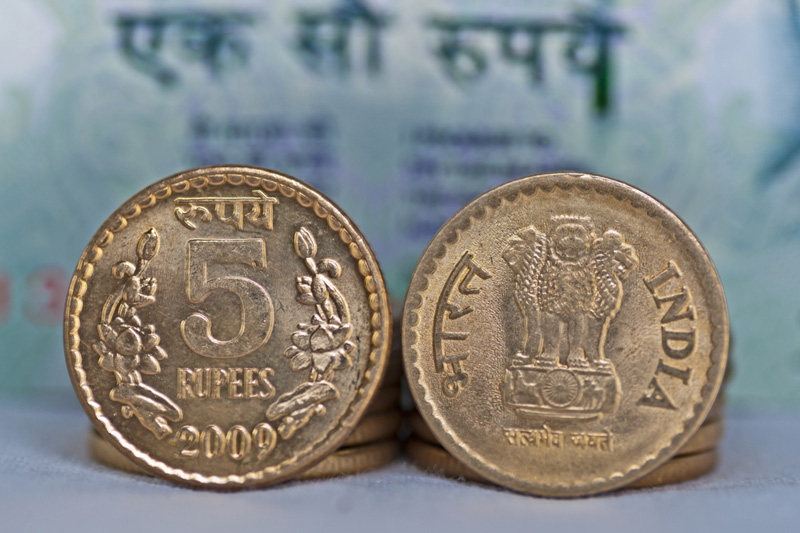
The Indian rupee hit a record low, with USD/INR rising 0.2% to 95.2913 and touching 95.4375, as Middle East tensions pushed oil prices higher. The 10-year bond yield was steady at 7.02%, but UBS warned India remains vulnerable to higher crude costs because it imports about 88% of its oil and raised its year-end FY2027 USD/INR forecast to 96 from 94. The note also said the RBI may need to use its 2013-era policy toolkit to support the currency and reserves.
The first-order move is not the rupee itself but the tightening of India’s macro policy corridor: a higher oil print pushes the current account, imported inflation, and FX reserve dynamics in the same direction, forcing the RBI to choose between defending growth or defending the currency. That matters because the market usually prices INR weakness as a pure FX story, but the second-order effect is higher term premium in local rates if reserves are perceived as being deployed aggressively or if the RBI is forced into liquidity tightening. In practice, that makes the rate/FX linkage more important than the spot move alone.
The beneficiaries are energy exporters and any USD earners with India exposure, while domestic cyclicals with high fuel sensitivity are the cleanest losers. Airlines, logistics, autos, and consumer discretionary names face a margin headwind if crude remains elevated for even 2-6 weeks, but the bigger risk is not the level of oil—it is persistence, because that starts leaking into inflation expectations and delays easing expectations in local credit. If Middle East risk premium stays embedded, India’s external financing cost can widen even without a domestic growth shock.
The market is probably underestimating how fast policymakers can react if INR volatility accelerates; the 2013-style toolkit is effective in the near term but often trades time for reserve depletion and tighter domestic financial conditions. That creates a tactical window where USD/INR can overshoot, then mean-revert if RBI leans in, but the medium-term regime remains bearish for the rupee unless oil retraces materially or capital inflows improve. The contrarian view is that the move may be partly overdone if this is a short geopolitical shock rather than a supply interruption, because India’s balance-of-payments problem is structural but still highly sensitive to the duration of elevated crude.
AI-powered research, real-time alerts, and portfolio analytics for institutional investors.
Request DemoOverall Sentiment
moderately negative
Sentiment Score
-0.35
Ticker Sentiment
