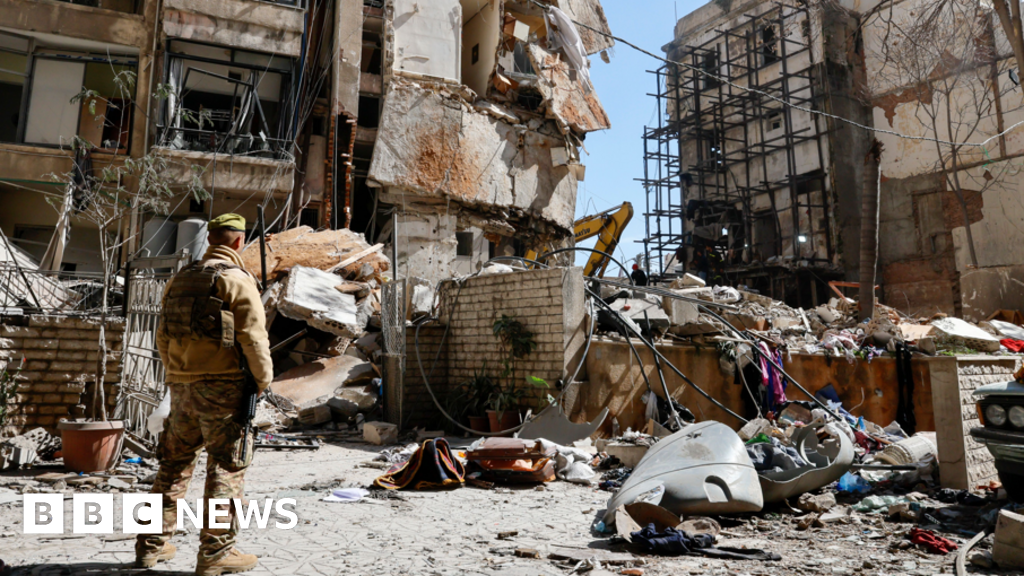
At least 203 people were killed and over 1,000 wounded in a 10-minute Israeli aerial blitz across Lebanon, with Lebanese officials saying more than 1,700 have been killed since the latest campaign began. The strikes—which Israel says hit 100+ Hezbollah targets—occurred hours after a purported two-week ceasefire announcement and have prompted Iranian condemnation and threats affecting regional stability. Expect elevated geopolitical risk: potential near-term oil and gas price volatility via threats to the Strait of Hormuz, risk-off flows into safe havens, and heightened downside risk for regional assets and emerging market sentiment.
Immediate market mechanics point to a short, sharp shock in energy and freight cost channels: a credible disruption or insurance-cost rerouting around the Strait of Hormuz/Red Sea would plausibly add $8–$15/bbl to Brent within 2–6 weeks, driven by 0.5–1.0 mb/d effective supply anxiety and a 20–40% lift in regional war‑risk premiums for tankers. Container and bulk freight costs should reprice faster than oil because re-routing adds voyage miles and bunker burn; expect spot container rates on key Asia–Mediterranean lanes to spike 20–50% within days if chokepoints are intermittently closed.
Defense and aerospace are second‑order beneficiaries with a 3–12 month lead time: procurement cycles and US foreign military sales accelerate when hostilities widen, putting an asymmetric premium on large-cap primes (LMT, RTX, GD)—a 6–12 month uptick in order flow or expedited replenishment could translate to 10–25% upside in forward EBITDA across the cohort if political support remains intact. Conversely, small regional carriers, insurers and Lebanon‑exposed banks face immediate idiosyncratic credit stress; expect Lebanon-linked spreads to widen by several hundred basis points and regional bank subordinated debt to underperform broader EM credit in the coming quarters.
Macro balance: expect a classic risk-off knee initially—gold and front-end Treasuries rally—followed by a differentiated multi-month regime where energy producers and defense outperform while EM and trade‑sensitive sectors lag. Key reversals will come from either rapid diplomatic containment (weeks) or expanded multi‑front engagement (months), so trading should prioritize short-dated optionality on the upside and directional exposures sized for regime change risk.
AI-powered research, real-time alerts, and portfolio analytics for institutional investors.
Request DemoOverall Sentiment
strongly negative
Sentiment Score
-0.85
