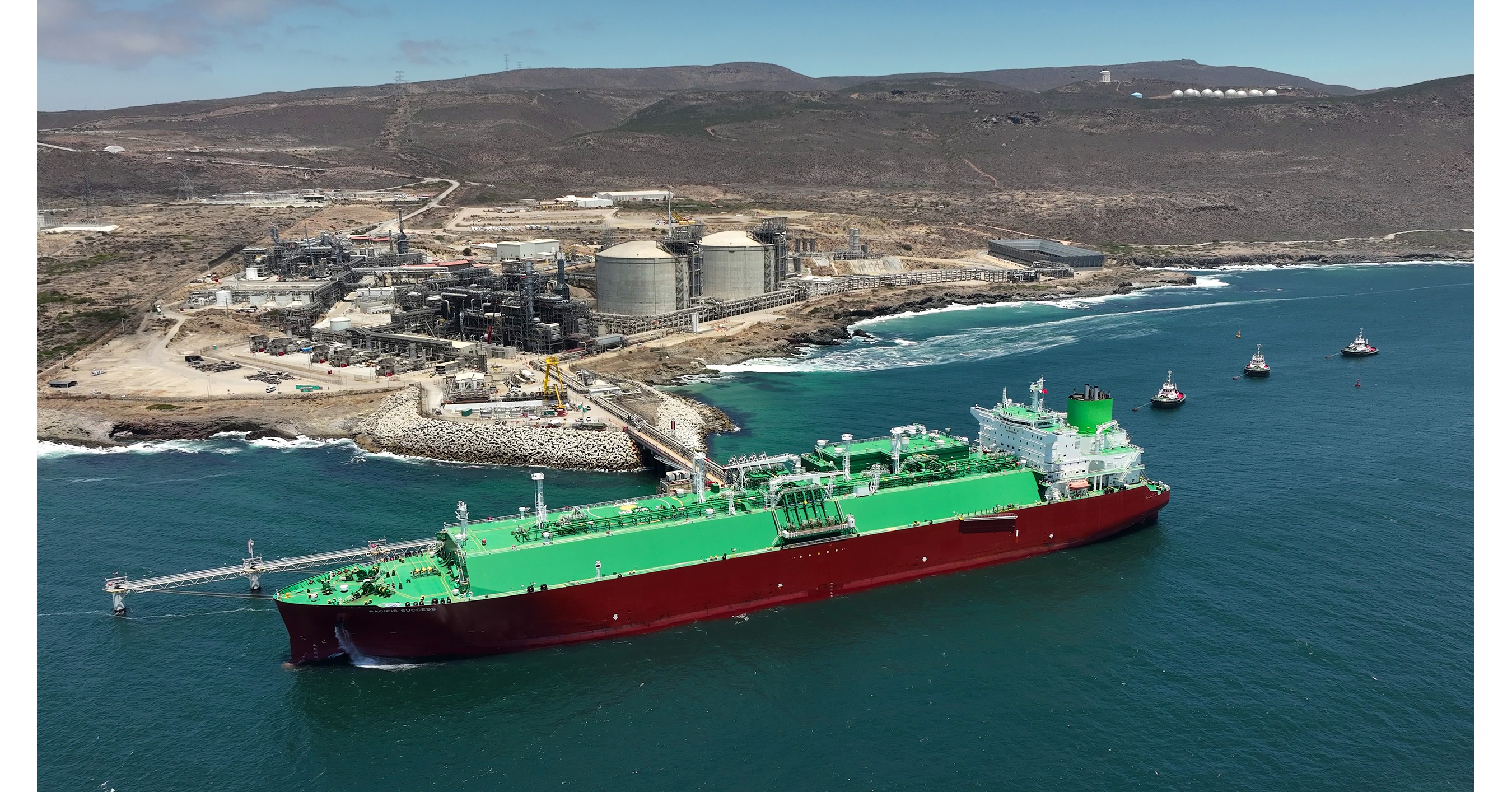
Sempra Infrastructure (SRE subsidiary) reported that ECA LNG Phase 1 in Ensenada, Mexico has safely shipped its first LNG cargo, a milestone toward full commercial operations. The project includes a single train with 3.25 Mtpa nameplate capacity and is supported by long-term sale-and-purchase agreements (TotalEnergies and Mitsui). Commercial operations are expected to begin shortly after substantial completion in summer 2026, positioning the facility as Mexico’s first Pacific-coast LNG liquefaction site with shorter shipping routes to Asia.
This is a de-risking event for the infrastructure optionality embedded in SRE, not a near-term EPS driver. The market should treat the first cargo as evidence that the project can transition from construction risk to operating cash flow, which matters more for SRE’s sum-of-the-parts than for quarterly numbers. The bigger second-order effect is valuation: every successful milestone makes the planned partial monetization of the infra platform easier and should narrow the conglomerate discount versus regulated-utility-only peers.
The real beneficiaries are the long-contract counterparties, especially TTE and MITSY, because the shortest Pacific route improves delivered netbacks and flexibility into Asia. That matters most when JKM spreads are volatile; a lower-cost route lets traders capture basis dislocations with less shipping risk and potentially higher contract renewal leverage. Competitive pressure is modest for Gulf Coast LNG names, but if the Mexico Pacific route proves reliable, future Pacific-facing liquefaction projects get a better financing narrative than longer-route alternatives.
Contrarian view: the move is probably over-interpreted in the stock over the next few days. First cargoes often mark headlines, not cash flow; the real catalysts are commercial ops, ramp stability, and whether Phase 2 reaches FID over the next 1-3 quarters. Falsifiers are simple: construction slippage, Mexican permitting friction, or a sustained collapse in Asia LNG pricing that compresses the route-advantage premium.
AI-powered research, real-time alerts, and portfolio analytics for institutional investors.
Overall Sentiment
mildly positive
Sentiment Score
0.35
Ticker Sentiment
