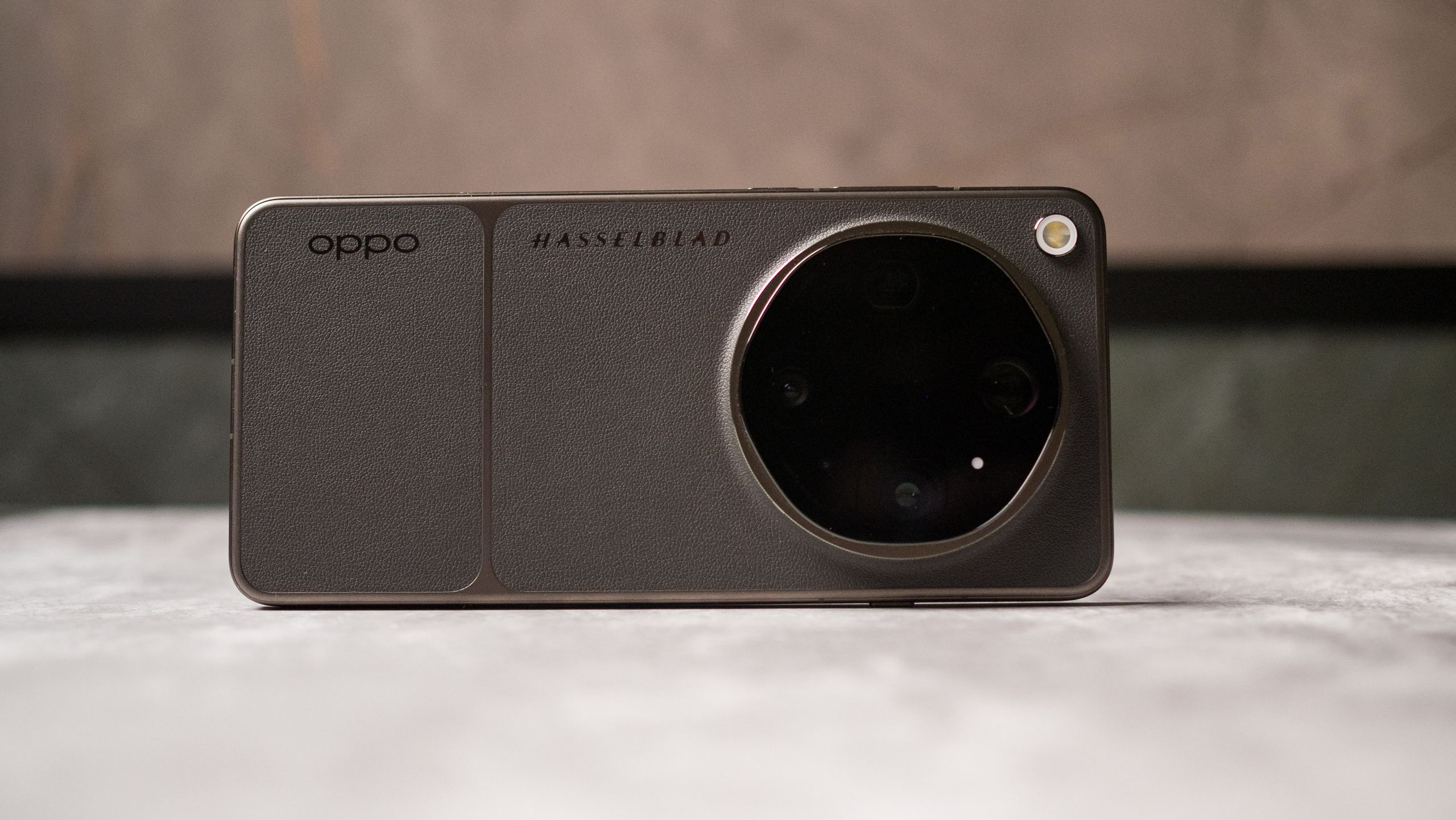
OPPO's Find X9 Ultra is set to launch globally this year, positioning it as a direct rival to the Vivo X300 Ultra in the premium camera-phone segment for 2026. The article highlights a distinctive camera-inspired design, leather back, and polished build, with the author favoring it over competing flagship designs. This is favorable product commentary, but it contains no pricing, shipment, or financial data and is unlikely to move the stock materially.
This is less about one handset and more about a broader intensification in the premium Android camera race. The second-order effect is that differentiation is shifting from raw specs to industrial design and brand signaling, which should support higher ASPs and healthier mix for the vendors that can turn “camera credibility” into a luxury object. That is incremental positive for component suppliers tied to premium imaging stacks and materials, but it also raises the bar for every flagship competitor: if the category narrative becomes “best camera phone,” anyone without a clearly superior imaging story risks faster share erosion in the high-end segment. The more important commercial signal is global availability. Expanding outside China turns what is usually a niche domestic halo product into a real channel test, and that matters because premium Android demand is increasingly winner-take-most at launch windows. If this device gets even modest review momentum, it can pull sell-through forward for accessory ecosystems, carrier promotions, and, importantly, create a halo effect that improves conversion on lower-tier models in the same brand family over the next 1-2 quarters. The contrarian risk is that camera-led hype has a short half-life unless translated into visible software and computational imaging advantages after launch. If the device is mostly “pretty hardware” with no clear performance edge, the market may quickly re-rate the story as aesthetic rather than category-defining, especially given intense competition from Vivo and Xiaomi. In that case, the tradeable opportunity is not the phone itself, but the probability distribution around who wins premium share in 2026 and which upstream suppliers capture the incremental bill of materials. For investors, the setup is attractive as a relative-value theme rather than a directional consumer bet: premium Android share can shift meaningfully even on small unit deltas because the gross profit pool is concentrated. The key monitoring window is the next 30-90 days around launch reviews, carrier availability, and any indication of broader international distribution. A strong reception would be enough to support a months-long sentiment tailwind; weak differentiation would likely mean the story fades after the initial launch spike.
AI-powered research, real-time alerts, and portfolio analytics for institutional investors.
Request DemoOverall Sentiment
mildly positive
Sentiment Score
0.35
