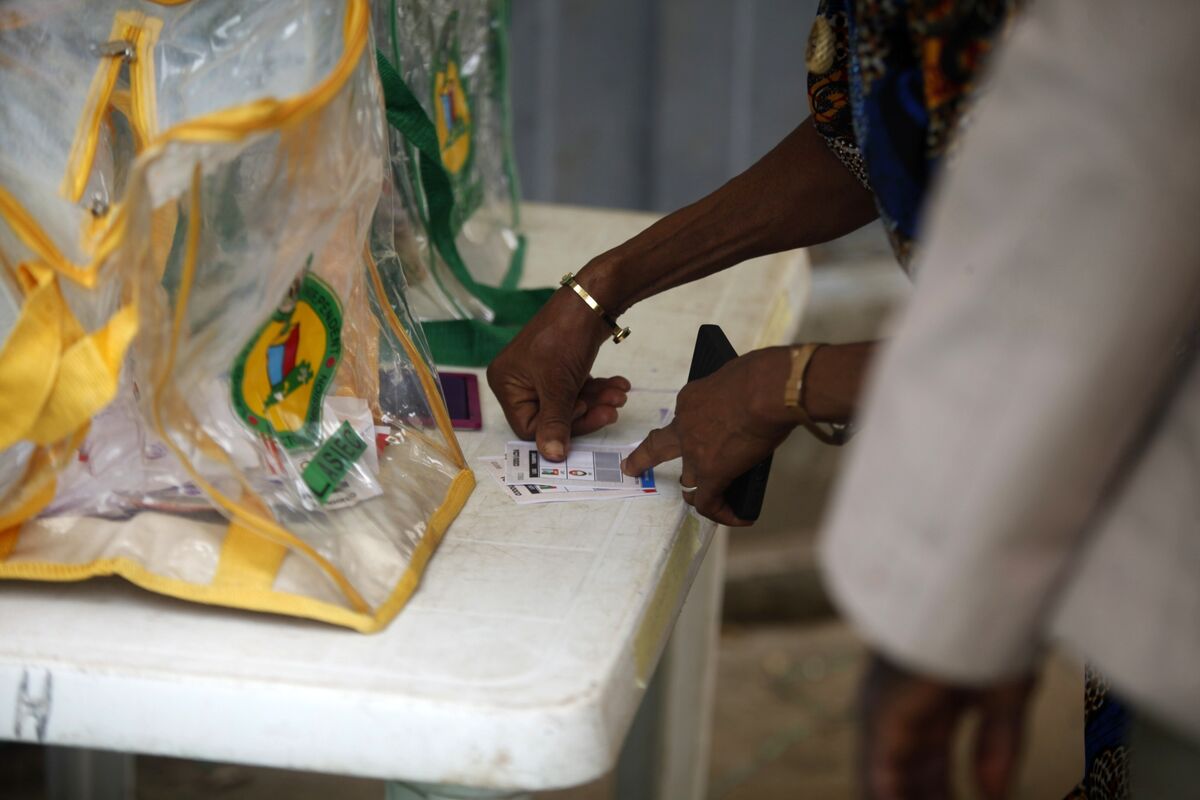
The article argues that deploying robots/election technology for Nigeria’s 2027 presidential vote could increase transparency, but it also notes the 2027 election is likely to feature the same political figures and campaign lines as in 2023. No specific policy changes, company actions, or measurable economic outcomes are provided.
This is more of a governance-risk story than a direct earnings event, so the public-market signal is weak today. The only plausible tradeable mechanism is a gradual compression of Nigeria-specific political-risk premium if election administration becomes more auditable; that would matter most for banks, telecoms, and consumer names with naira exposure, but only if implementation is credible and funded. In the near term, procurement headlines can lift local systems integrators and hardware/service providers, yet those gains are usually low-quality unless they translate into recurring maintenance and data-hosting revenue.
The bigger second-order effect is on incumbent political operators and any businesses that benefit from opacity, not on obvious listed tech beneficiaries. More transparent voting tends to reduce the odds of prolonged post-election disputes, which historically suppresses capital allocation and delays FX reforms; that is constructive for medium-duration investors, but the market will not price it until there is a visible contract award, budget allocation, or pilot that survives political pushback. If the project is delayed, underfunded, or challenged in court, the story reverts to a headline-only trade and any valuation support disappears quickly.
Contrarian view: the consensus may be overestimating how much election technology alone can change outcomes in a market where logistics, voter access, and enforcement matter more than software. The structural payoff is 6-18 months out, not days, and the best risk/reward may simply be to avoid overtrading the news unless a specific listed vendor or telecom partner emerges. The thesis is falsified if 2026-27 budget visibility for election tech stays absent or if the adoption rate is too low to alter dispute frequency.
AI-powered research, real-time alerts, and portfolio analytics for institutional investors.
Request DemoOverall Sentiment
neutral
Sentiment Score
0.05
Ticker Sentiment
