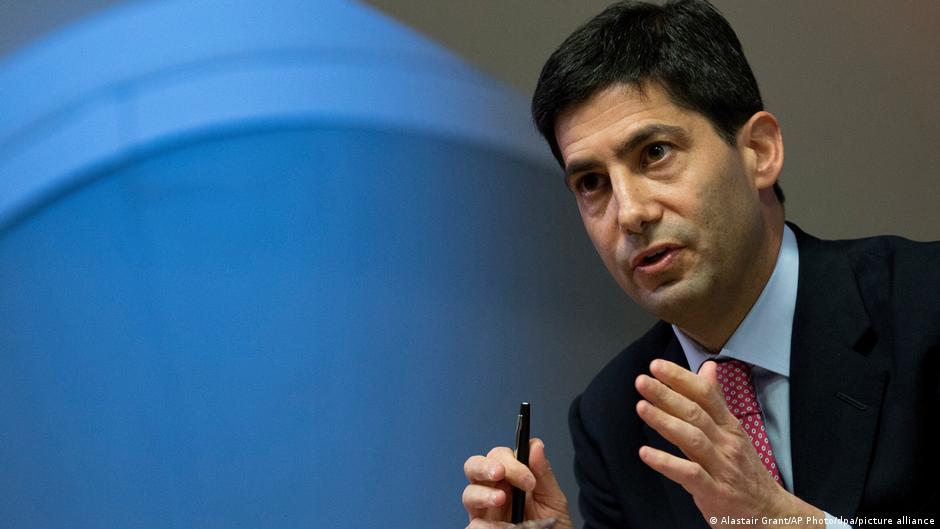
Kevin Warsh has been sworn in as Federal Reserve chair in a highly political appointment, with Trump signaling he wants immediate interest-rate cuts. Warsh won confirmation by a narrow 54-45 Senate vote, fueling concerns about Fed independence just as inflation is rising due to the Iran war and higher energy prices. The article highlights the risk that political pressure could unsettle markets, push up yields, and weaken confidence in the dollar and broader financial system.
The market is underpricing the shift from a policy-set-by-committee regime to a policy-set-by-credibility regime. Even if Warsh wants easier policy, the bigger near-term constraint is that any rate cut delivered into rising inflation and obvious political pressure will read as a de facto monetization trade, which tends to steepen the front end, weaken the dollar, and lift the term premium rather than deliver the growth impulse the White House wants. That creates a bad macro mix for duration-sensitive assets: lower expected policy rates can coexist with higher long-end yields if investors demand an independence premium.
Second-order effects matter more than the headline. Financials may initially celebrate a steeper curve, but bank equity upside is capped if the move is perceived as politically driven: deposit betas can lag faster than funding stress re-prices, and loan demand does not automatically reaccelerate when credibility is questioned. Gold, inflation breakevens, and foreign FX hedges are cleaner expressions than a generic risk-on trade because the real transmission here is confidence, not just rate level.
The contrarian point is that the consensus may be too focused on whether cuts happen and too little on whether markets believe the committee can enforce a floor on policy excess. Powell staying on as a governor is a meaningful institutional brake, and that makes the most likely path a noisier, more fragmented Fed rather than a clean dovish pivot. Over the next 1-3 months, that argues for higher realized volatility in rates and USD; over 6-12 months, if inflation does not roll over, the Fed could be forced back into a hawkish correction, which would be the most painful outcome for those positioned for an orderly easing cycle.
AI-powered research, real-time alerts, and portfolio analytics for institutional investors.
Overall Sentiment
mildly negative
Sentiment Score
-0.15
Ticker Sentiment
