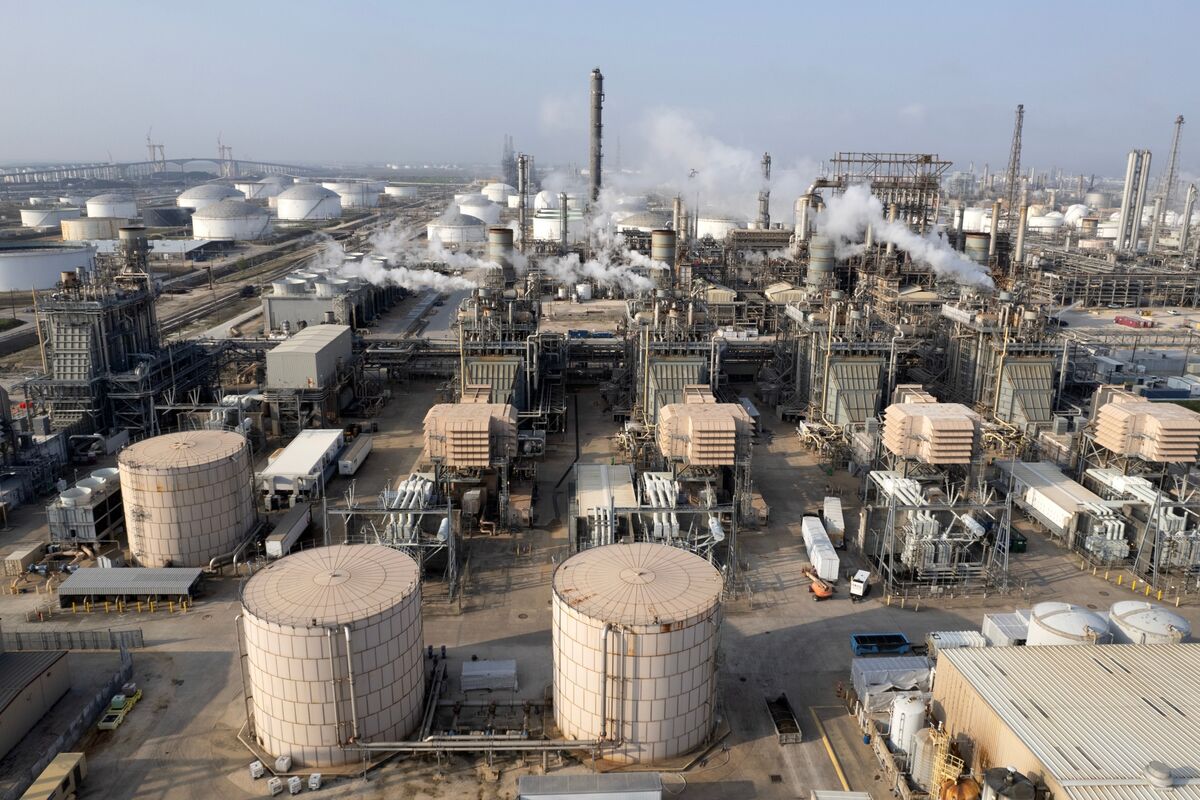
Brent crude traded above $63 a barrel and WTI hovered near $60 as oil extended a two-day advance while markets weighed the prospect of a Ukraine ceasefire against indicators of a growing global supply surplus. Ukrainian negotiators will meet in Florida for a new round of talks, but Russian President Vladimir Putin said some elements of a US-backed peace plan were unacceptable, adding geopolitical uncertainty that is counterbalanced by signs of swelling inventories and weaker demand pressure.
Market structure: A modest two-day oil rally amid talks and signs of a swelling global surplus implies a bimodal market — near-term geopolitics (Ukraine ceasefire hopes) can push spot/paper tightness higher, while fundamentals (rising inventories) cap upside. Winners in a short squeeze scenario are integrated majors (XOM, CVX) and refiners if cracks widen; losers are high‑cost U.S. shale and oil services if prices slip below $60 for multiple weeks. Expect pricing power to oscillate around $58–70/bbl; moves outside this band will force rapid capex and rig-count reactions.
Risk assessment: Tail risks include sudden escalation (Russian supply disruption) or coordinated OPEC+ cuts (both spike >20% in days) versus persistent demand weakness/Chinese slowdown that could drop Brent to <$50 (20–30% downside). Immediate (days) drivers are EIA weekly stocks and Ukraine talk headlines; short-term (weeks) by OPEC+ statements and Chinese PMI; long-term (quarters) by U.S. shale reinvestment rates and capex. Hidden dependencies: shale break‑evens (~$45–$55) and freight/logistics bottlenecks can mask true surplus levels.
Trade implications: Implement conditional, threshold-driven trades: favor large-cap integrators for defensive beta to oil moves, short high‑cost E&P exposure if Brent closes under $58 for 5 trading days, and use calendar/put spreads on Brent futures to play contango/backwardation. Volatility windows are EIA releases (Wednesdays) and any announced Ukraine accord — use 30–90 day options to keep time decay manageable. Cross-asset: weaker oil pressures CAD/NOK and reduces inflation breakevens, improving US real yields.
Contrarian angles: Consensus overweights geopolitical headlines and under-weights the current inventory trajectory — markets may be underpricing a persistent surplus that favors structural winners (low-cost majors) and punishes small caps. The reaction is potentially overdone on headline-driven rallies: past Ukraine-related spikes faded in 4–8 weeks when inventories rebuilt (2014, 2020 parallels). Unintended consequence: buying small‑cap E&P on a headline pop can leave investors exposed to rapid mean reversion when supply response reasserts.
AI-powered research, real-time alerts, and portfolio analytics for institutional investors.
Request DemoOverall Sentiment
neutral
Sentiment Score
0.00
