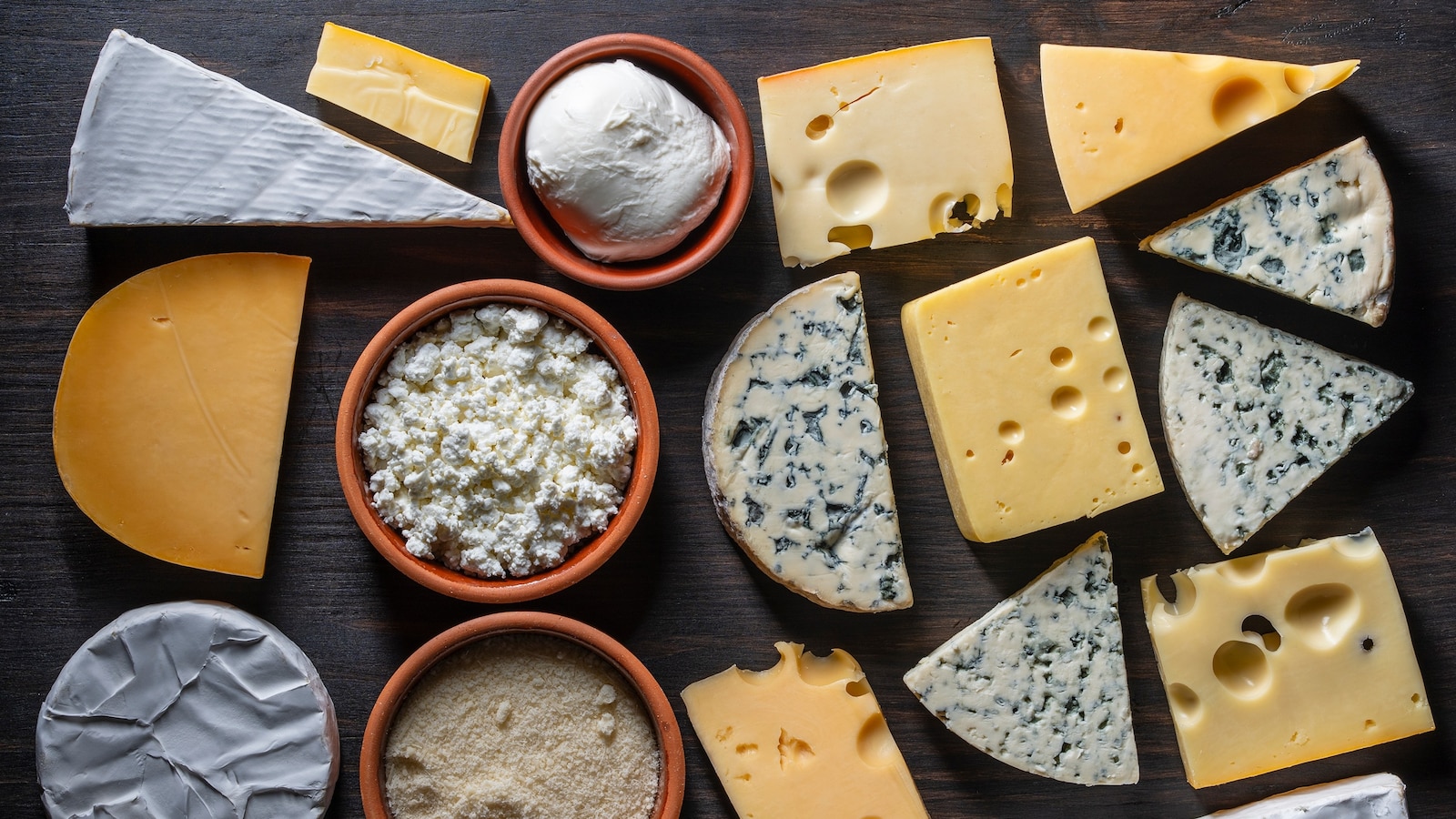
A 25-year Swedish observational study of nearly 28,000 people published in Neurology found that consuming >=50g/day of high-fat cheese and >=20g/day of high-fat cream was associated with a lower risk of all-cause dementia and vascular dementia, while low-fat dairy, butter and milk showed no clear association. The protective association did not appear in the ~15–20% of people carrying an APOE ε4 allele, and authors caution the findings are observational and may reflect broader dietary or lifestyle patterns rather than causation, implying only modest potential consumer/retail impacts rather than immediate market-moving implications.
Market structure: Incremental consumer preference for high‑fat cheese/cream (if sustained) favors branded/ specialty dairy processors over commodity fluid‑milk suppliers. Winners would be specialty cheese manufacturers (Saputo, symbol SAP.TO/SAPGF), premium branded CPG (KHC, MDLZ, NSRGY) and retailers with curated assortments (COST); losers are raw milk commodity sellers and low‑margin liquid milk processors. On commodities/FX, persistent demand shifts would bid Class III milk futures and support NZD/AUD; bond/corporate credit impact is minimal unless dairy input inflation exceeds 5–10% and compresses food producers’ EBITDA margins.
Risk assessment: The study is observational and effect sizes are modest; tail risks include rapid regulatory dietary guideline changes, large randomized trials negating benefits, or sharp APOE‑targeted personalization reducing broad consumer uptake. Immediate market impact is likely within days–weeks (media/social amplification), short term (3–6 months) may move retail SKUs and futures, long term (12–36 months) could alter product mixes if corroborated. Hidden dependencies: grass‑fed/organic premiums, fermentation sourcing, and retailer slotting economics; catalysts include follow‑up RCTs, major health body endorsements, or supply shocks (dairy herd changes).
Trade implications: Favor selective overweight in specialty cheese processors and branded CPG with narrow product mixes rather than commodity milk processors; consider hedging dairy input exposure via short Class III milk futures. Use option call spreads on large caps (MDLZ, KHC) to express upside while limiting premium spend; rotate modest weight away from private‑label liquid milk processors into branded specialty over 3–12 months. Entry conditional on cheese price spread widening >8% vs milk over 30–90 days.
Contrarian angles: Consensus will likely underweight upstream milk producers but overestimate immediate consumer behavior change — the market may be slow to price geography/grass‑fed differentiation. Similar to past nutrition headlines (e.g., eggs/cholesterol), short‑term volatility often reverses once nuance surfaces; mispricings exist between commodity milk futures (overreact) and branded processors (underrated). Unintended consequence: a rush into premium cheese could raise input costs and compress margins for mid‑tier processors, flipping winners/losers within 6–12 months.
AI-powered research, real-time alerts, and portfolio analytics for institutional investors.
Request DemoOverall Sentiment
neutral
Sentiment Score
0.10
