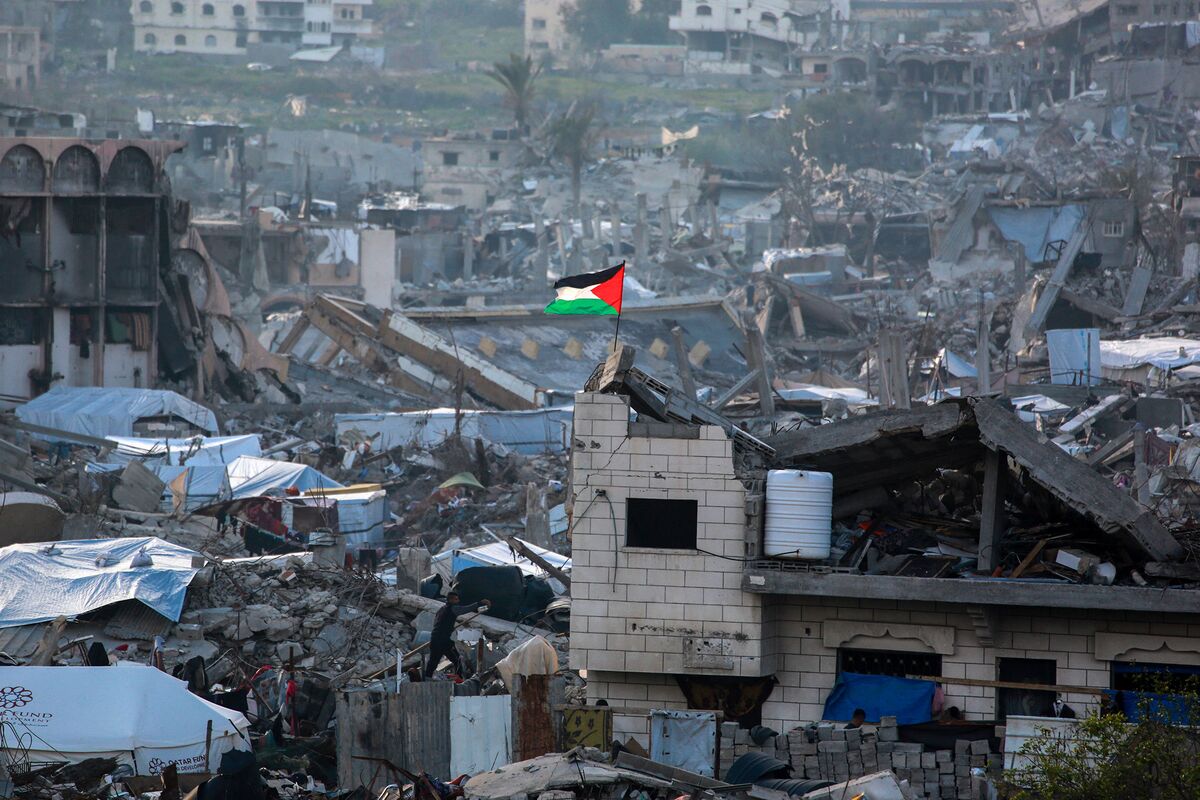
Canada's Prime Minister Mark Carney announced plans to recognize a Palestinian state at the September UN summit, aligning with France but positioning Canada against the US and Israel. Carney justified this policy shift by stating the traditional two-state solution is "no longer tenable," citing both Hamas's actions and recent Israeli policies like accelerated settlement construction and calls for West Bank annexation. This decision represents a notable pivot in Canadian foreign policy regarding the Israeli-Palestinian conflict.
Canada has announced a significant shift in its foreign policy, planning to formally recognize a Palestinian state at the United Nations summit in September. This decision aligns Canadian policy with that of France but creates a notable diplomatic divergence from the United States and Israel. Prime Minister Mark Carney justified the move by stating that the traditional two-state solution, pursued through a negotiated settlement, is 'no longer tenable.' The rationale is attributed to actions from both sides of the conflict: 'gravely eroded' conditions due to Hamas's terrorism and its stance on Israel's existence, alongside recent Israeli policies such as accelerated settlement building and a Knesset vote supporting West Bank annexation. While the provided signals indicate a low immediate market impact, this development introduces a new layer of geopolitical complexity and highlights a potential fracturing of the long-standing Western consensus on the Israeli-Palestinian conflict, which could have longer-term implications for regional stability.
AI-powered research, real-time alerts, and portfolio analytics for institutional investors.
Request DemoOverall Sentiment
neutral
Sentiment Score
0.00
