

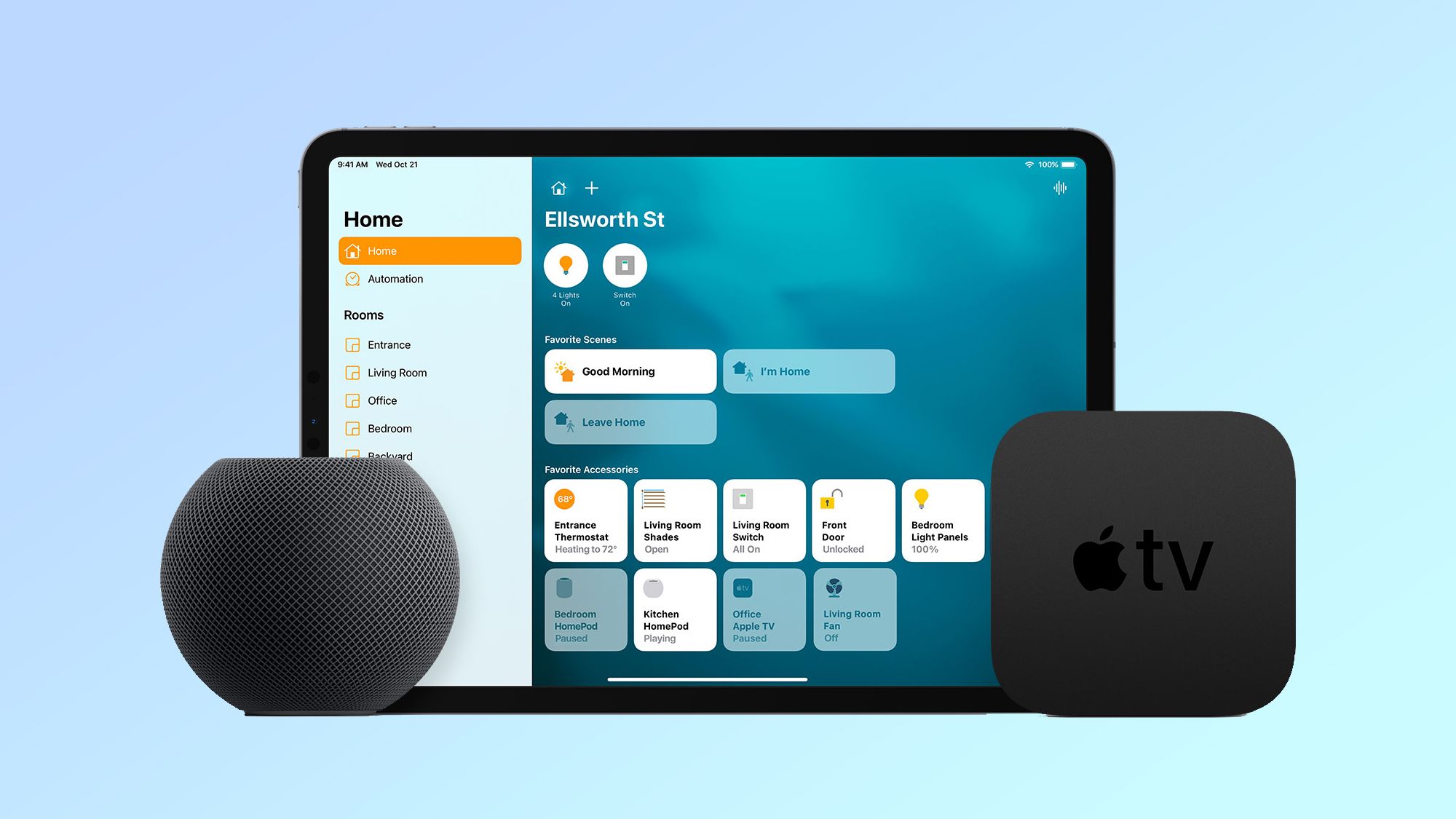
Apple may launch up to 7 smart home devices this year, but only if its Siri 2.0 overhaul arrives on schedule. The rumored lineup includes a new Apple TV 4K, multiple HomePod variants, a video doorbell, and a security camera, with several products tied to AI-boosted Siri and Apple Intelligence. The article is largely speculative and depends on an unconfirmed software launch, so near-term market impact appears limited.
The market is likely underappreciating how much of Apple's smart-home thesis is really a Siri execution bet, not a hardware cycle. If the assistant layer remains unreliable, these devices risk becoming low-differentiation endpoints that fail to justify premium pricing, which would cap upside for AAPL while extending the refresh cycle benefit to incumbents like Amazon and Google. The more important second-order effect is that Apple is trying to pull the home ecosystem into its closed stack; that can improve attachment rates, but only if the software is good enough to create switching costs rather than just novelty demand.
For GOOGL, this is a competitive signal but not a near-term threat to the core ad business. The real risk is incremental share loss in ambient computing and home automation, where Google has historically had a practical advantage through Assistant and Nest but weaker hardware loyalty. If Apple ships a credible AI-native hub with camera, presence, and automation, it could compress the value proposition of low-end smart speakers and displays over the next 6-18 months, especially among iPhone households.
The contrarian read is that the setup may be more bullish for AAPL than consensus expects because expectations are still anchored to a normal hardware launch cadence. Even modest execution could re-rate the story from “incremental refreshes” to “platform expansion,” and the market tends to pay for ecosystem expansion before revenue shows up. The main tail risk is delay: if Siri slips again, the smart-home roadmap becomes a credibility overhang and any launch window moves from a catalyst to a disappointment event.
Supply chain implications are modest but not zero: display, camera, and chip content per unit could matter more than unit volumes if Apple uses a higher-ASP hub strategy. That favors component suppliers with exposure to premium consumer electronics, but only if the product mix skews toward display-centric devices rather than incremental speaker updates. The bigger tradeable signal is timing—watch for confirmation around the fall iPhone window; a clean Siri launch should improve forward guidance sentiment, while another miss likely pressures the stock on multiple compression rather than fundamental damage.
AI-powered research, real-time alerts, and portfolio analytics for institutional investors.
Request TrialOverall Sentiment
neutral
Sentiment Score
0.15
Ticker Sentiment
