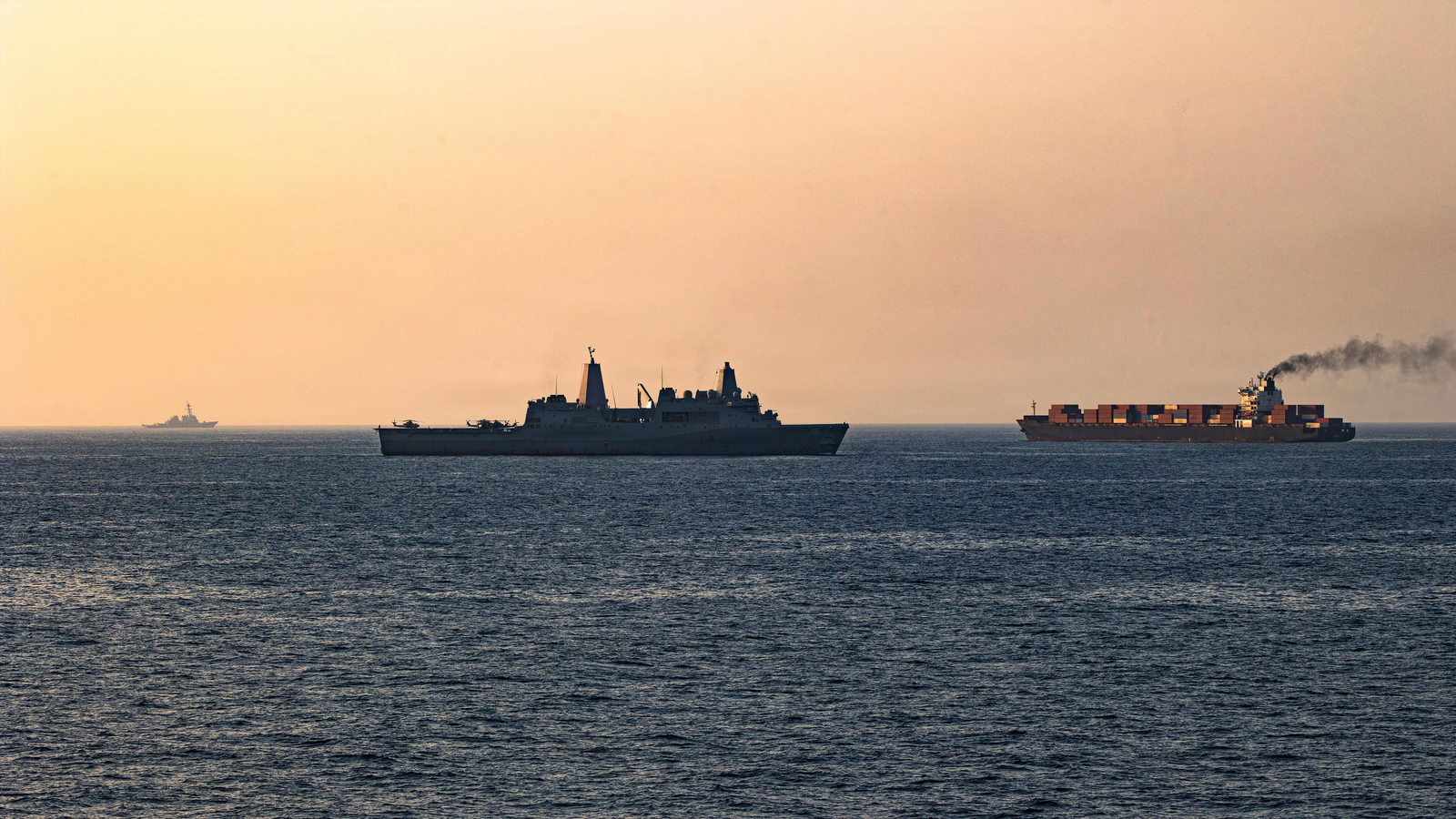
German Chancellor Friedrich Merz said the U.S. has "no strategy" on Iran and warned that the fighting has left an entire nation humiliated, underscoring escalating geopolitical tensions. He also said Europeans are willing to help reopen the Strait of Hormuz after negotiations end, highlighting potential risk to global energy flows and broader market sentiment. The comments point to elevated near-term risk for oil, shipping, and risk assets if the conflict intensifies.
The market implication is not simply “higher oil”; it is a higher geopolitical risk premium with asymmetric tails. If Hormuz disruption risk rises even modestly, prompt energy prices can gap faster than physical supply can reroute, while the second-order winners are not just upstream producers but also maritime security, subsea infrastructure repair, and missile-defense supply chains. The immediate losers are energy-intensive industrials, airlines, chemical producers, and EM importers with weak FX reserves; the market usually underprices the duration of these shocks because it first models them as a one-off headline rather than a sustained shipping insurance and freight-rate repricing.
The more interesting angle is that the U.S. and Europe may be forced into a “stability premium” trade: even without a full blockade, elevated patrol, escort, and deterrence spending tends to support defense names and select naval contractors over months, not days. On the currency side, a persistent risk-off impulse should favor the dollar versus European and commodity-linked currencies in the near term, but a true escalation can also pressure USD only if oil spikes enough to worsen the U.S. twin deficit narrative. That makes FX less directional than rates of change; the cleaner expression is long USD vs high-beta importers, not a broad DXY max-long.
The contrarian risk is that the market is already crowded into “Middle East escalation = buy oil,” so the first move may be overbought while the real payoff comes from logistics bottlenecks and defense procurement, which lag by quarters. If diplomacy reduces the probability of physical disruption, crude can fade quickly, but freight, insurance, and defense spending expectations usually do not unwind as fast. The best set-up is to own convexity in assets that benefit from a tail event while avoiding outright beta exposure that gets marked down if the rhetoric de-escalates.
AI-powered research, real-time alerts, and portfolio analytics for institutional investors.
Request DemoOverall Sentiment
strongly negative
Sentiment Score
-0.55
