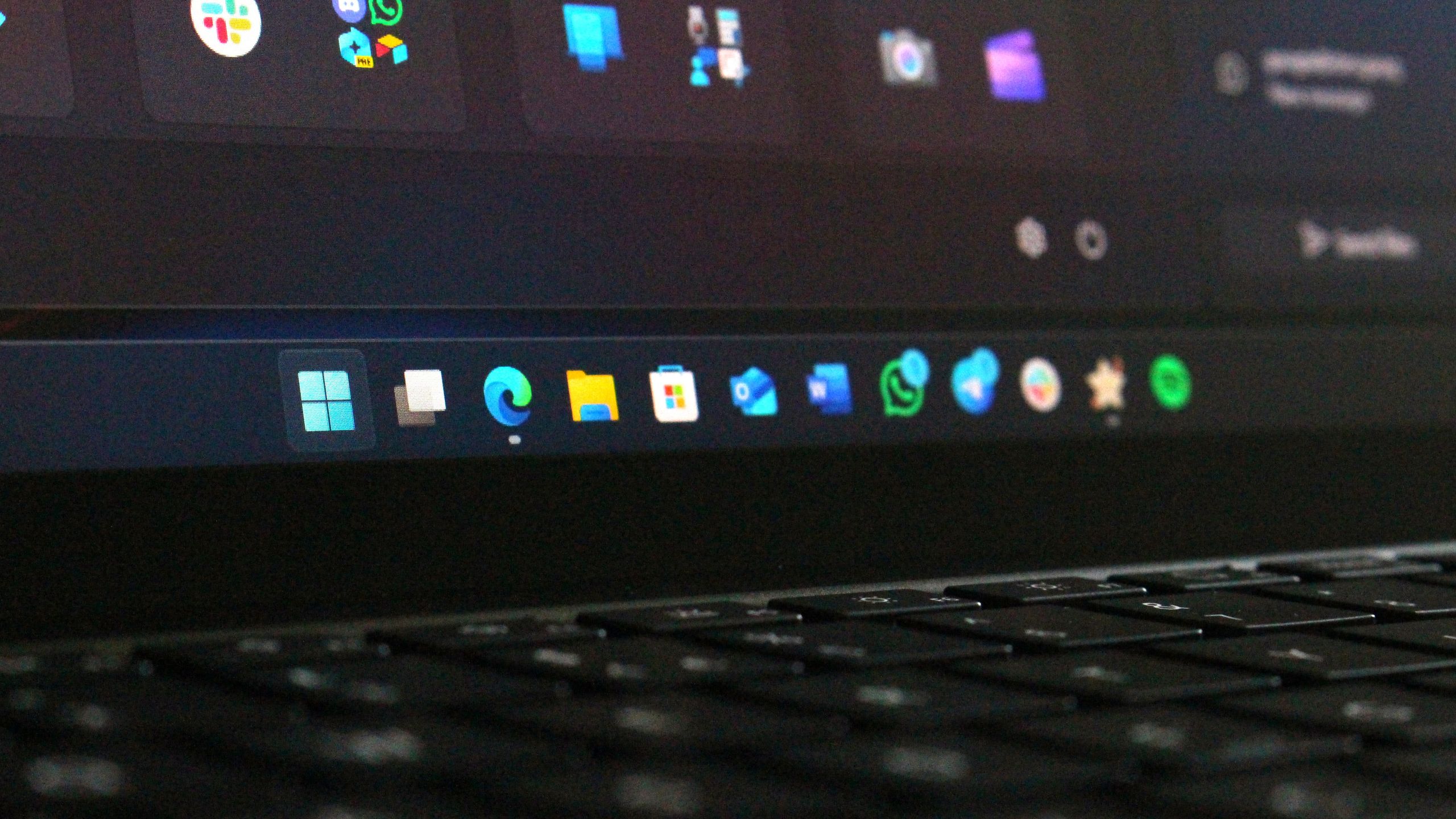
Microsoft confirmed that AI agent support for Windows 11's Taskbar and Search Box will arrive next month, giving developers APIs to build more natively integrated AI experiences. The feature is not enabled by default and is aimed at attracting AI developers to Windows as competition for AI adoption has intensified on Mac. The update is strategically positive for Microsoft's platform positioning, but near-term market impact appears limited.
This is less about near-term monetization and more about defending Windows’ developer relevance. The strategic risk for Microsoft is a slow-burn platform erosion: if AI-native workflows get built first on competing desktop ecosystems, Windows can remain the default OS while losing the high-margin engagement layer where the next software budgets will be spent. That matters because developer preference compounds over 12-24 months and can quietly shift enterprise standards, app distribution, and user retention without showing up immediately in Windows license metrics.
The second-order effect is that Microsoft is trying to convert an anti-AI consumer sentiment problem into a pro-developer platform narrative. If the company can keep the feature opt-in and framed as infrastructure rather than product fluff, it lowers the probability of backlash while preserving optionality for Copilot/partner integrations. The key watch item is whether this becomes a real API surface that third-party AI tools adopt, or just another announcement that fails to move developer behavior; the latter would reinforce the market’s view that Windows innovation is more about optics than ecosystem pull.
For investors, the setup is mildly positive but not enough for a fundamental rerating on its own. The upside case is incremental: better developer mindshare supports longer-term Azure, M365, and Surface stickiness, while the downside is reputational if consumers interpret this as more AI clutter despite the opt-in design. Expect any financial impact to be delayed; the first read should come over the next 1-2 quarters via developer adoption signals, not revenue.
Contrarian take: the market may be underestimating how defensive this move is. Microsoft is not trying to sell AI on Windows directly; it is trying to prevent Windows from becoming a passive utility while AI workflows migrate elsewhere. That makes the initiative strategically important even if the immediate P&L contribution is negligible.
AI-powered research, real-time alerts, and portfolio analytics for institutional investors.
Request DemoOverall Sentiment
mildly positive
Sentiment Score
0.15
Ticker Sentiment
