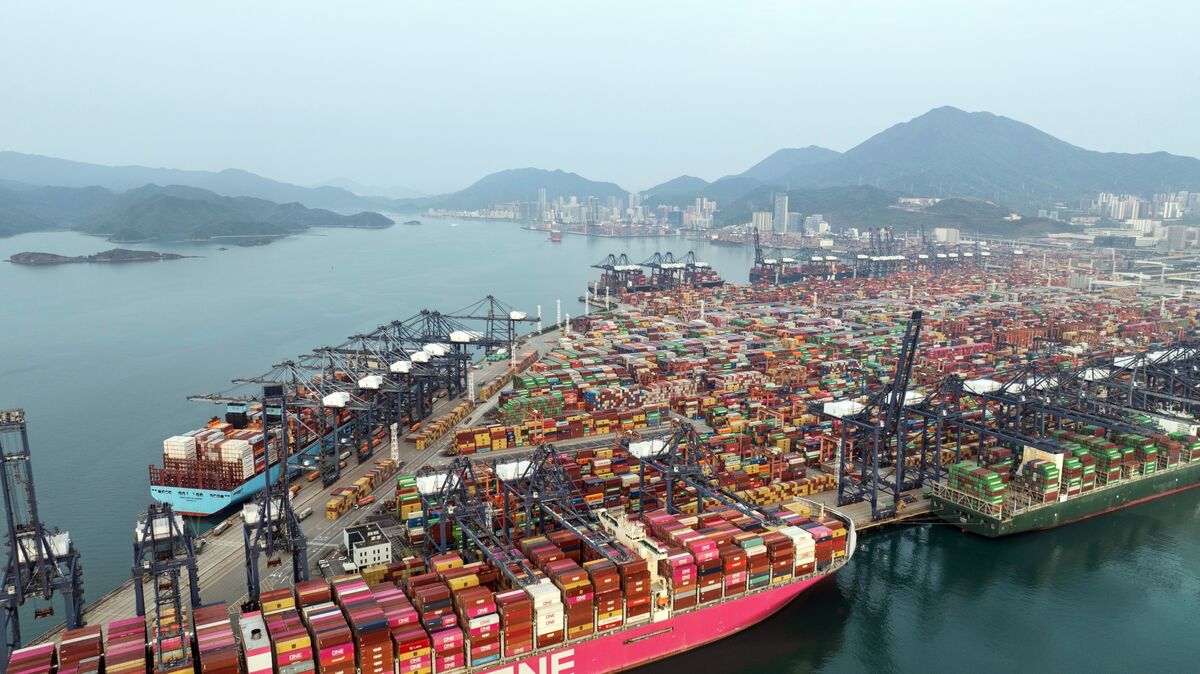
Small businesses importing goods from China are increasingly relying on high-interest, short-term loans from lending startups to mitigate the financial burden of tariffs, as illustrated by Pardes Farms Inc. securing a credit line exceeding 20% interest to absorb costs without raising consumer prices. This surge in demand for expensive financing underscores the significant cash flow pressures tariffs are creating for small importers.
Heightened US-China trade tensions are creating significant liquidity pressures for small American businesses reliant on Chinese imports. These companies are increasingly turning to non-traditional financing to manage the rising costs associated with tariffs, as evidenced by a spike in demand for short-term loans from lending startups. A case in point is Pardes Farms Inc., which is absorbing tariff costs of approximately $2,000 per shipping container by securing a $200,000 credit line with an interest rate exceeding 20%. This strategic choice to absorb costs rather than increase consumer prices highlights a critical trade-off between maintaining market share and managing immediate cash flow, but it comes at the high price of expensive debt, indicating a notable level of financial distress within this segment of the economy.
AI-powered research, real-time alerts, and portfolio analytics for institutional investors.
Request DemoOverall Sentiment
strongly negative
Sentiment Score
-0.60
