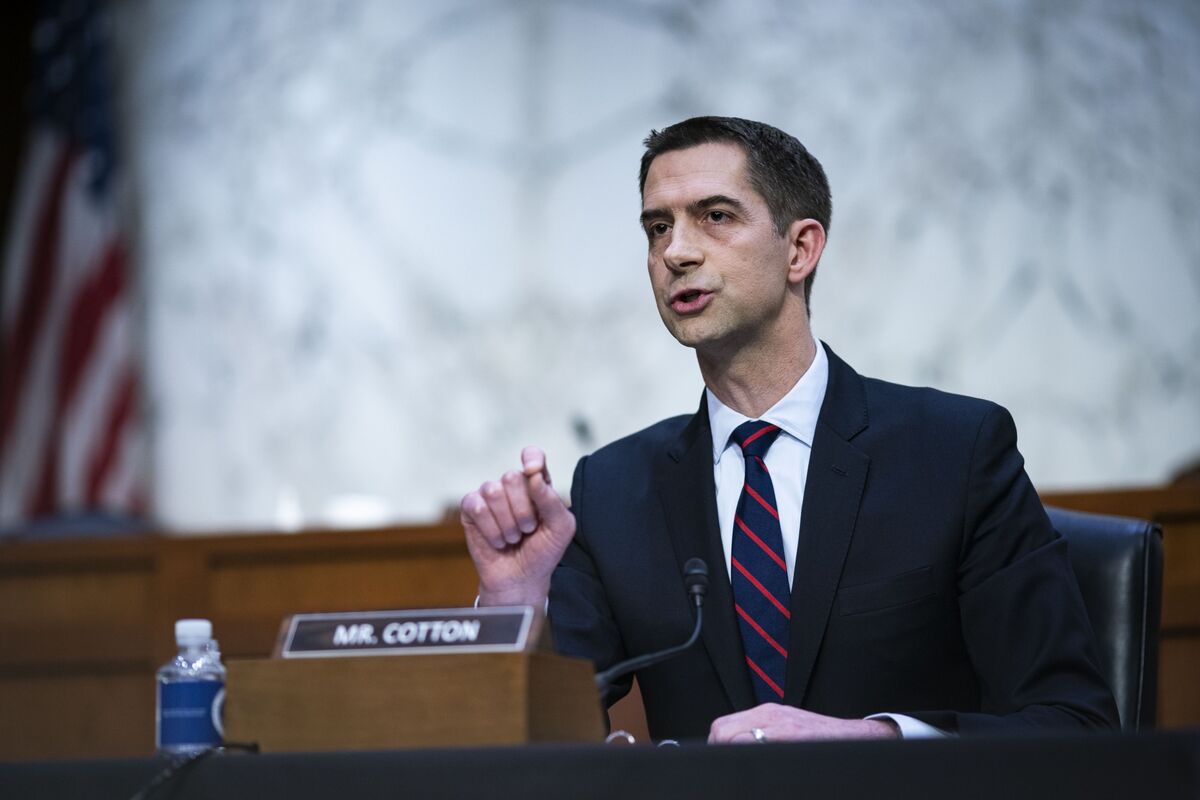
Senator Tom Cotton said the Intelligence Committee will proceed with Jay Clayton’s hearing as scheduled despite President Trump’s demand for a delay. The dispute highlights a minor but visible Senate-confirmation clash involving a key national security appointment. Market impact appears limited, with the story centered on domestic political process rather than policy or earnings.
This is less about one nominee than about a visible test of intra-party discipline and the durability of executive control. When a committee chair publicly refuses to accommodate a presidential demand, it signals that confirmation timelines may be governed more by Senate process than White House preference, which raises the probability of noisy, asymmetric headline risk around senior national security appointments over the next few weeks.
The second-order effect is on governance expectations: if the White House cannot reliably bend Senate procedures on a high-visibility intelligence role, investors should expect greater friction on future confirmations, slower staffing at agencies, and a higher chance that acting officials remain in place longer than usual. That tends to raise policy execution risk in defense, cybersecurity, and regulated sectors because decision-making becomes more fragmented and less predictable, even if the immediate market move is muted.
The key catalyst window is days, not months: any sign the nominee withdraws, the president escalates, or the committee proceeds anyway will determine whether this becomes a one-off spat or a broader marker of legislative pushback. The contrarian read is that the market may be underpricing how little this matters for fundamentals unless it spills into actual policy bottlenecks; absent that, the trade is more about event volatility than directionally large asset repricing.
AI-powered research, real-time alerts, and portfolio analytics for institutional investors.
Request DemoOverall Sentiment
neutral
Sentiment Score
-0.05
