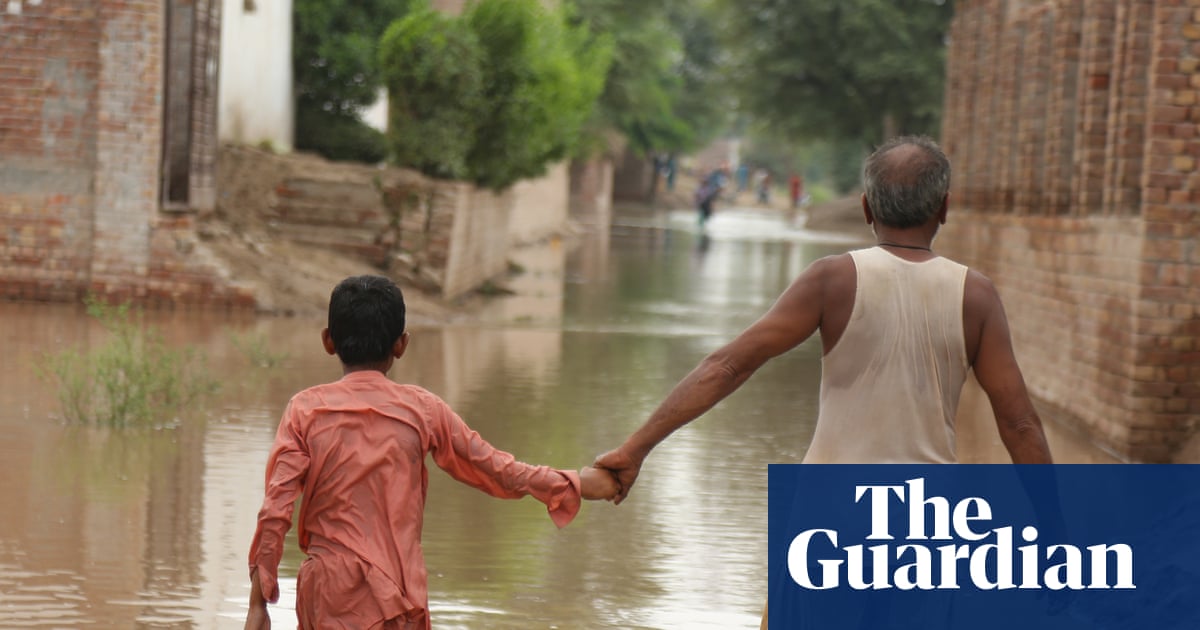
The Punjab regions of India and Pakistan are grappling with the worst floods in over three decades, causing widespread devastation to critical agricultural lands and livelihoods. Extreme monsoon rains have submerged hundreds of thousands of acres of rice, cotton, and sugarcane, resulting in significant crop losses and threatening food security in India's 'food bowl.' This crisis, exacerbated by alleged government negligence and dam water releases, underscores the escalating financial risks and long-term viability challenges for agriculture in the face of increasingly frequent extreme weather events, impacting a sector vital to regional economies and employment.
Catastrophic monsoon flooding in the Punjab regions of India and Pakistan, described as the worst in over three decades, has caused severe economic and social disruption. The submersion of hundreds of thousands of acres has decimated key crops, including rice, cotton, and sugar cane, threatening the livelihoods of farmers and creating a significant risk to food security in a region known as India's 'food bowl.' The financial fallout is acute, with farmers facing total crop loss on top of existing high debts, raising the probability of widespread loan defaults. The crisis is compounded by political factors, with officials in both nations facing accusations of negligence for failing to implement adequate flood prevention and emergency response measures. This event underscores the escalating physical risks associated with climate change, as the article links the devastation to more frequent and extreme weather patterns. The impact extends beyond agriculture, affecting real estate, as seen in the flooding of affluent housing developments in Lahore, and straining geopolitical stability, evidenced by the release of dam water and damage to the militarized India-Pakistan border.
AI-powered research, real-time alerts, and portfolio analytics for institutional investors.
Overall Sentiment
strongly negative
Sentiment Score
-0.85
Ticker Sentiment
