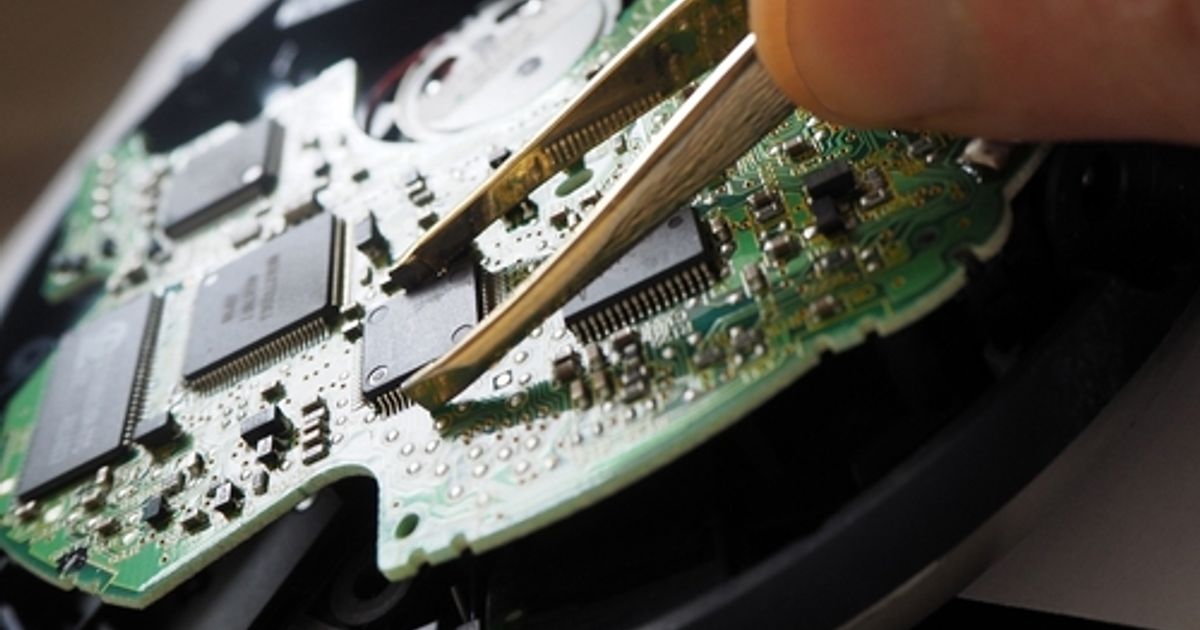
Chinese tech giants Alibaba and Baidu have begun deploying their own internally developed AI chips, Zhenwu and Kunlun P800, respectively, to train their AI models, partially substituting Nvidia's offerings. This strategic pivot is largely a response to US export restrictions on advanced semiconductors, underscoring China's push for domestic technological self-sufficiency. While anticipated by analysts, the long-term efficacy of this strategy and its implications for future foreign chip adoption remain key considerations, with Nvidia's China revenue expectations already adjusted.
Alibaba (BABA) and Baidu (BIDU) are actively integrating their proprietary semiconductors, the Zhenwu and Kunlun P800 chips respectively, into their AI model training workflows. This strategic move, driven by US export controls on advanced chips, represents a partial substitution for Nvidia's (NVDA) products and underscores China's accelerated push for technological self-sufficiency. According to the report, Alibaba's deployment for smaller AI models began in early 2025, while Baidu is testing its chips on its Ernie AI model. Analyst commentary from Wedbush indicates this development was largely anticipated. However, significant questions remain regarding the long-term efficacy of this strategy, particularly given the process technology limitations of Chinese foundries and whether these firms would revert to foreign suppliers if more powerful US chips become available. For Nvidia, the financial impact may already be priced in, as analysts believe China revenue expectations were adjusted following the company's recent earnings report.
AI-powered research, real-time alerts, and portfolio analytics for institutional investors.
Overall Sentiment
mixed
Sentiment Score
0.10
Ticker Sentiment
