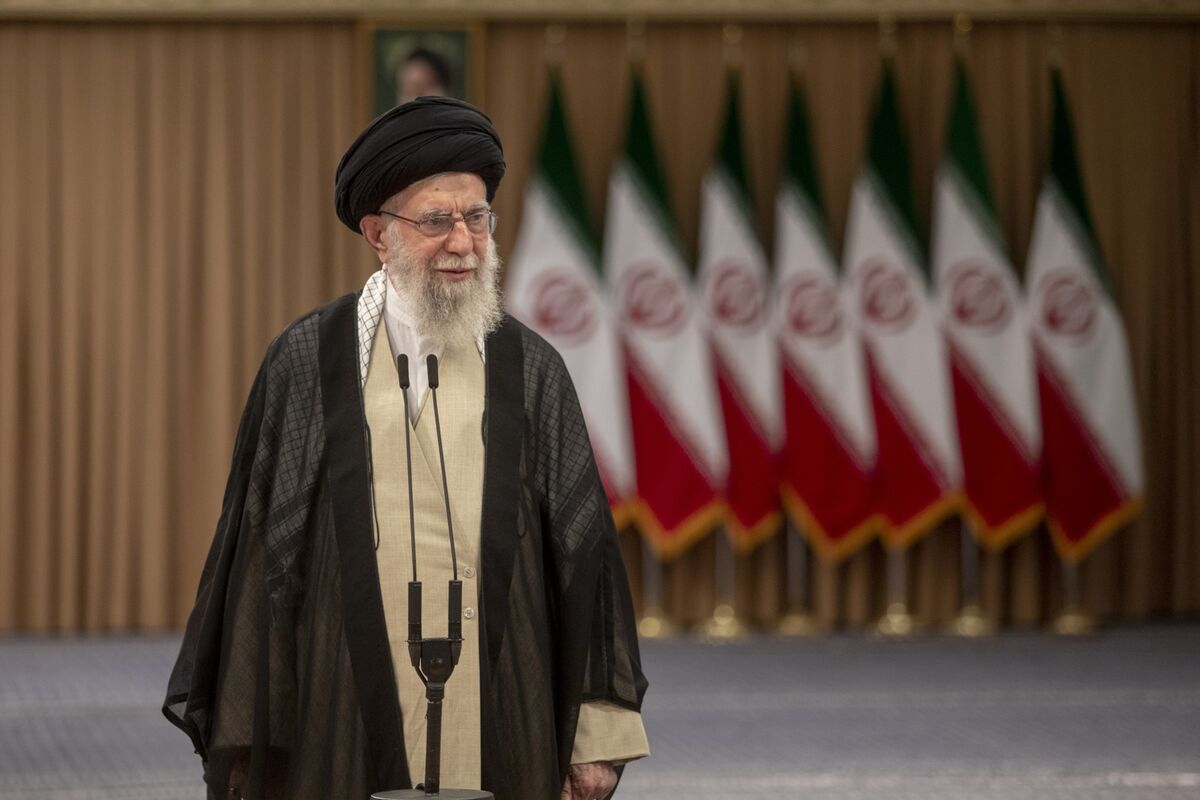
Iranian Supreme Leader Ayatollah Ali Khamenei stated that a nuclear deal with the U.S. is unlikely, dismissing the Trump administration's demands as "outrageous." Khamenei, speaking at a memorial for former President Raisi, referenced prior unsuccessful indirect negotiations, signaling a pessimistic outlook on current or future talks and suggesting continued impasse on the nuclear program.
Iranian Supreme Leader Ayatollah Ali Khamenei has publicly stated that negotiations with the U.S. regarding Iran's nuclear program are unlikely to yield a deal, characterizing the Trump administration's recent demands as "outrageous." This pronouncement, made during a commemoration for former President Ebrahim Raisi, underscores a deeply pessimistic outlook from Tehran on the prospects of diplomatic resolution. Khamenei referenced prior unsuccessful indirect negotiations, reinforcing the view that current or future talks are not expected to succeed, thereby signaling a continued impasse. This development suggests a persistent period of geopolitical tension, with direct implications for international relations and potentially for markets sensitive to Middle Eastern stability, given the themes of "Geopolitics & War" and "Sanctions & Export Controls" identified. The negative sentiment and pessimistic tone, coupled with a moderate market impact score of 0.4, indicate that while not immediately disruptive, this statement contributes to ongoing uncertainty and could influence risk perceptions.
AI-powered research, real-time alerts, and portfolio analytics for institutional investors.
Request DemoOverall Sentiment
Negative
Sentiment Score
-0.30
