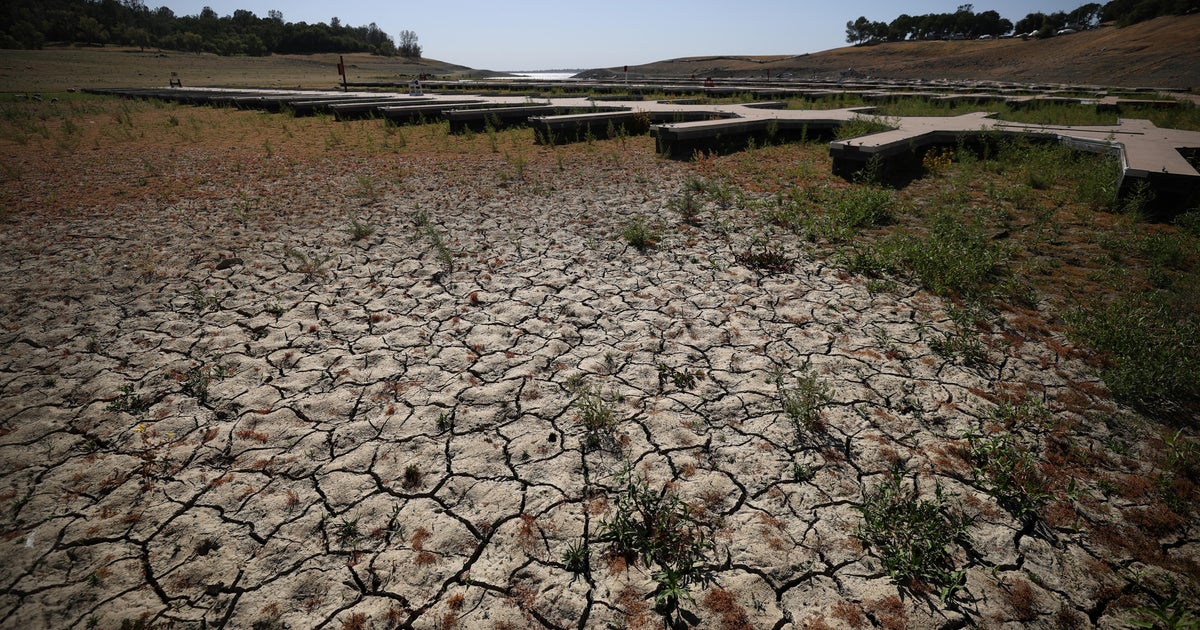
Drought coverage across the contiguous U.S. has reached record levels for this time of year, with more than 61% of the Lower 48 in moderate to exceptional drought and 97% of the Southeast affected. The article warns of heightened wildfire risk, potential water shortages in the West, and upside pressure on food prices if crop conditions deteriorate. The impact is potentially broad-based across agriculture, utilities, and Western water-dependent sectors.
The market setup is less about headline drought panic and more about margin dispersion. The first-order winners are firms with contracted water rights, drought-resilient production, or pricing power; the losers are exposed where input costs rise before shelf prices can reset. The bigger second-order effect is inventory distortion: packers, feed buyers, paper/forest products, and beverage/food manufacturers can all face a short-term squeeze even if end-demand stays stable, because weather shocks usually hit basis, freight, and spot procurement before they show up in reported volumes.
The more tradable implication is that the inflation impulse may show up in a staggered way over 1-2 quarters. Agricultural commodities can reprice quickly on weather, but consumer staples and grocers often absorb part of the shock initially, compressing margins before passing through—creating a lagged squeeze that can be monetized in equities. If western water stress persists into late spring, wildfire risk adds a separate channel through utilities, insurers, and regional transport/logistics, with any outage-driven volatility likely to be more acute in the Southwest than the national averages imply.
The key contrarian point is that consensus may overstate the immediacy of a broad food-price spike while underappreciating the specificity of the exposure. A poor U.S. crop year is a global problem only if it coincides with adverse conditions elsewhere; otherwise, the more durable trade is relative value within the food chain and against names with weak pass-through. The catalyst horizon is weeks for commodity repricing, months for earnings revisions, and potentially longer if water allocation policy or wildfire insurance costs force a structural rerating of western assets.
AI-powered research, real-time alerts, and portfolio analytics for institutional investors.
Request TrialOverall Sentiment
strongly negative
Sentiment Score
-0.55
