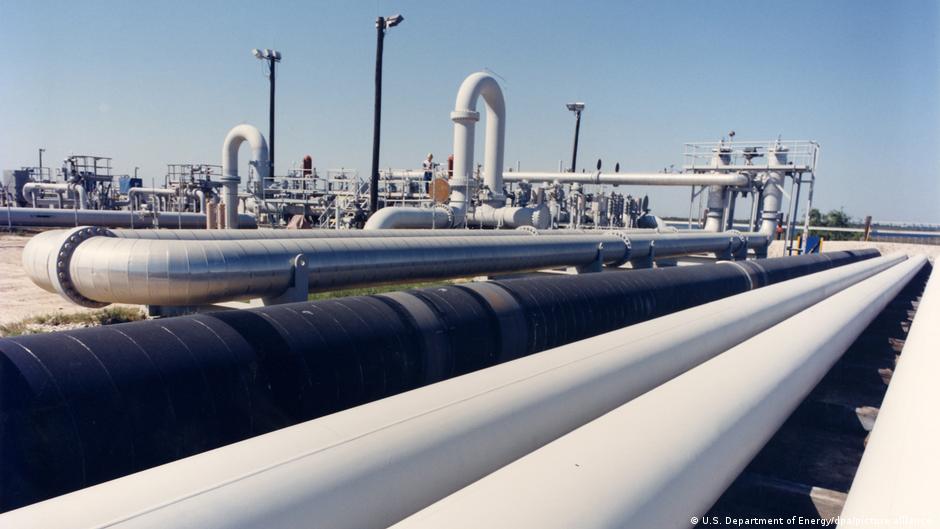
The Iran war and closure of the Strait of Hormuz have disrupted roughly 20% of global oil trade, driving the largest oil supply shock in decades. Global observed oil inventories fell by 246 million barrels in March and April, and analysts warn commercial stocks could hit critically low levels by end-June, with crude potentially approaching 2008 peak prices if losses continue. The shock is hitting Asia hardest and is already forcing governments to conserve fuel and consider further reserve releases.
The market is still pricing this as a simple crude shortage, but the more durable second-order effect is a cross-asset liquidity shock driven by higher working capital, margin pressure, and forced inventory rebuilding. As crude stays elevated, refiners, shippers, airlines, chemicals, and even broad industrials face a simultaneous hit: higher input costs, higher collateral needs, and weaker consumer demand. That combination tends to compress equity multiples faster than the direct earnings boost accrues to upstream producers.
The key catalyst is not the next headline on diplomacy; it is the inventory run-rate. Once commercial stocks move into the danger zone, the market loses its shock absorber and becomes hostage to marginal barrel availability, which is when prices gap rather than trend. That shift usually benefits near-term call optionality more than outright stock exposure because policy response risk rises nonlinearly once fuel inflation starts showing up in CPI and transport costs.
The consensus underestimates how asymmetric the downside is for import-dependent Asia and for aviation-related supply chains. Airlines, container lines, and petrochemical producers are more exposed than the market typically models because fuel costs hit immediately while pass-through lags and demand elasticity rises later. Conversely, US integrateds and domestic pipeline/logistics names should hold up better than pure E&Ps if the market starts pricing in strategic reserve depletion and policy intervention, since they benefit from volatility and volume without being as hostage to spot price reversal.
The contrarian point is that the trade may become less bullish for crude and more bullish for dispersion. If governments stop overusing reserves, the market can reprice to scarcity quickly, but that also raises the odds of demand destruction, emergency diplomacy, or a temporary release that crushes momentum. In that regime, the highest Sharpe trade is often owning relative winners versus shorting the most fuel-sensitive losers, not chasing naked long oil exposure after a volatility spike.
AI-powered research, real-time alerts, and portfolio analytics for institutional investors.
Request DemoOverall Sentiment
strongly negative
Sentiment Score
-0.82
Ticker Sentiment
