
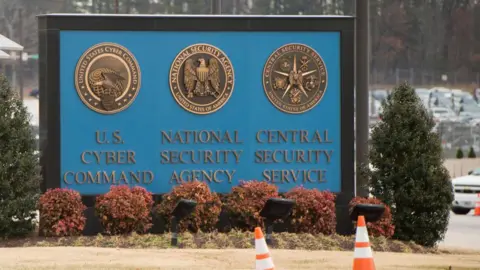
Congress extended the expiring FISA law by 10 days through April 30 after failing to reach a long-term reauthorization, leaving Section 702 and its warrantless surveillance debate unresolved. The Trump administration wants an 18-month clean extension with no reforms, while bipartisan lawmakers are pushing to close the "backdoor search" loophole and add restrictions on U.S. data collection. The issue is important for intelligence and national security operations, but the immediate market impact is limited.
The near-term market impact is less about intelligence collection itself and more about the precedent risk for surveillance governance. A clean reauthorization would reduce compliance uncertainty for telecom and cloud infrastructure providers that sit in the collection path, while a reform-heavy outcome raises the odds of higher friction, slower execution, and potentially more litigation over data access workflows. That said, the economic exposure is asymmetric: the direct revenue pool tied to FISA compliance is small, but the optionality embedded in faster or slower intelligence workflows can affect cyber-defense procurement and defense-tech contract timing over months, not days.
The bigger second-order effect is on the surveillance-versus-privacy policy regime. If lawmakers force warrant or audit constraints on query practices, the practical burden shifts to agencies and their vendors, likely increasing demand for tooling that automates filtering, logging, and minimization. That favors defense software and cybersecurity names with compliance layers more than pure hardware primes, because the bottleneck becomes data governance rather than sensor collection. Conversely, a straight extension lowers the probability of a near-term procurement burst in privacy-enhancing technologies because the status quo remains “good enough” for agencies.
The contrarian read is that the market may be overestimating the durability of a no-reform extension. Bipartisan resistance suggests eventual compromise is more likely than status quo permanence, and the first real catalyst is not the deadline itself but the next high-profile abuse allegation or court challenge, which could reprice the issue quickly. In other words, this is a convex political tail risk: low day-to-day impact, but a meaningful jump in regulatory volatility if there is any domestic political event that reframes warrantless querying as a civil-liberties scandal.
For the public equities set, the cleanest expression is not NSA-adjacent headlines but the cybersecurity and govtech beneficiaries of more logging, auditing, and legal review. The trade horizon is 1-6 months, with the best entry likely after any temporary extension is priced in and reform odds are discounted less efficiently than the headline suggests. Watch for a drift higher in contract review cycles and a slower cadence in agency awards if negotiations drag into the next session.
AI-powered research, real-time alerts, and portfolio analytics for institutional investors.
Request TrialOverall Sentiment
neutral
Sentiment Score
-0.05
Ticker Sentiment
