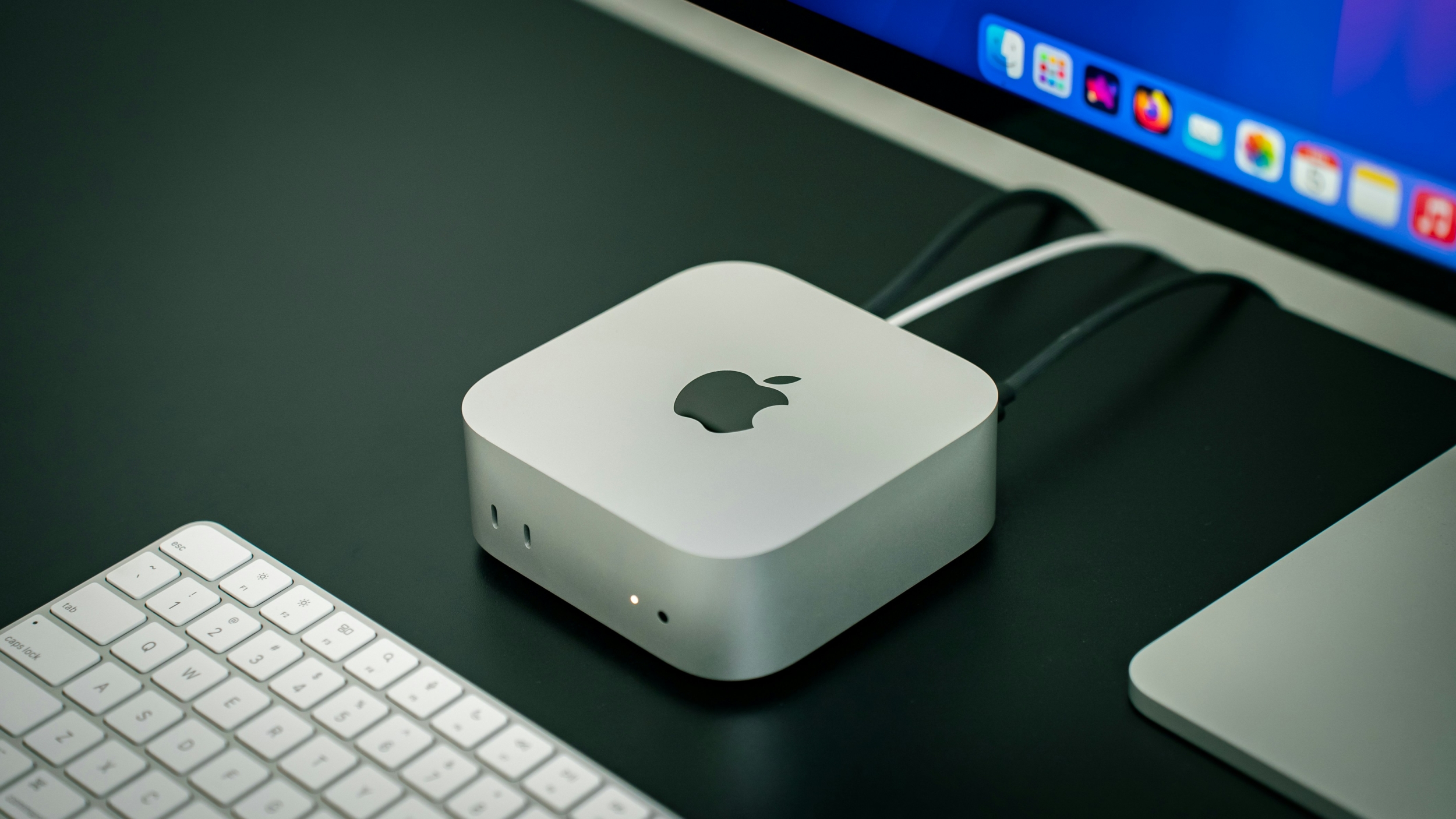
Apple's expected Mac Mini M5 refresh could deliver a 14%–22% CPU uplift, up to 45% faster graphics, and a 3.5x faster Neural Engine, with M5 Pro models reportedly reaching 18 cores and 64GB RAM. The article also points to Thunderbolt 5, Wi-Fi 7, higher base storage, and pricing starting around $699 for the standard model and $1,399 for the M5 Pro. The news is constructive for Apple’s desktop lineup and AI-capable hardware positioning, but it remains based on leaks ahead of a WWDC 2026 launch.
This is less a consumer-product story than a margin and ecosystem signal: Apple is telegraphing that its next wave of desktop upgrades is meant to pull more AI inference and content creation onto-device, which should reinforce ecosystem stickiness and support higher attach rates across Mac, iPad, and services. The near-term beneficiary is AAPL through mix shift toward higher ASP configurations and a likely replacement cycle among prosumers who skipped the prior generation; the larger second-order winner is likely the storage/memory and board-level supply chain if base configs truly step up, because Apple’s “faster by default” strategy tends to widen component content per unit without needing a redesign.
The market may be underestimating how much this hurts Windows mini-PC and small workstation vendors at the margin. If Apple can credibly market a compact box with workstation-class AI throughput and better external display bandwidth, it raises the hurdle for Intel/AMD-based alternatives in creative and software-dev workflows, especially in enterprises that standardized on Apple silicon for low support burden. The bigger implication is not unit share, but premium desktop share: Apple can take more value even if total shipments stay modest.
Risk is twofold: first, the launch window is months away, so the equity can lose steam if the rumor cycle extends without confirmed specs. Second, if the market already expects a strong silicon refresh, upside in AAPL may be capped unless Apple pairs it with a clearer AI software story; hardware-only gains rarely rerate the stock for long. A supply-chain miss on memory or high-end configurations would likely shift the narrative from “demand pull” to “availability constraint,” which is good for scarcity optics but bad for near-term revenue realization.
Contrarian take: the consensus is probably overweighting the absolute performance leap and underweighting the fact that Mac mini is still a niche revenue line for AAPL. For equities, the more tradable effect may be around suppliers with exposure to higher-capacity memory, packaging, and connectivity rather than Apple itself, especially if Apple’s own gross margin absorbs some of the upgrade value. If the refresh lands into a soft PC market, the real risk is that it steals share from Apple’s own higher-end Mac Studio/MBP mix rather than expanding the total desktop market.
AI-powered research, real-time alerts, and portfolio analytics for institutional investors.
Request DemoOverall Sentiment
moderately positive
Sentiment Score
0.45
Ticker Sentiment
