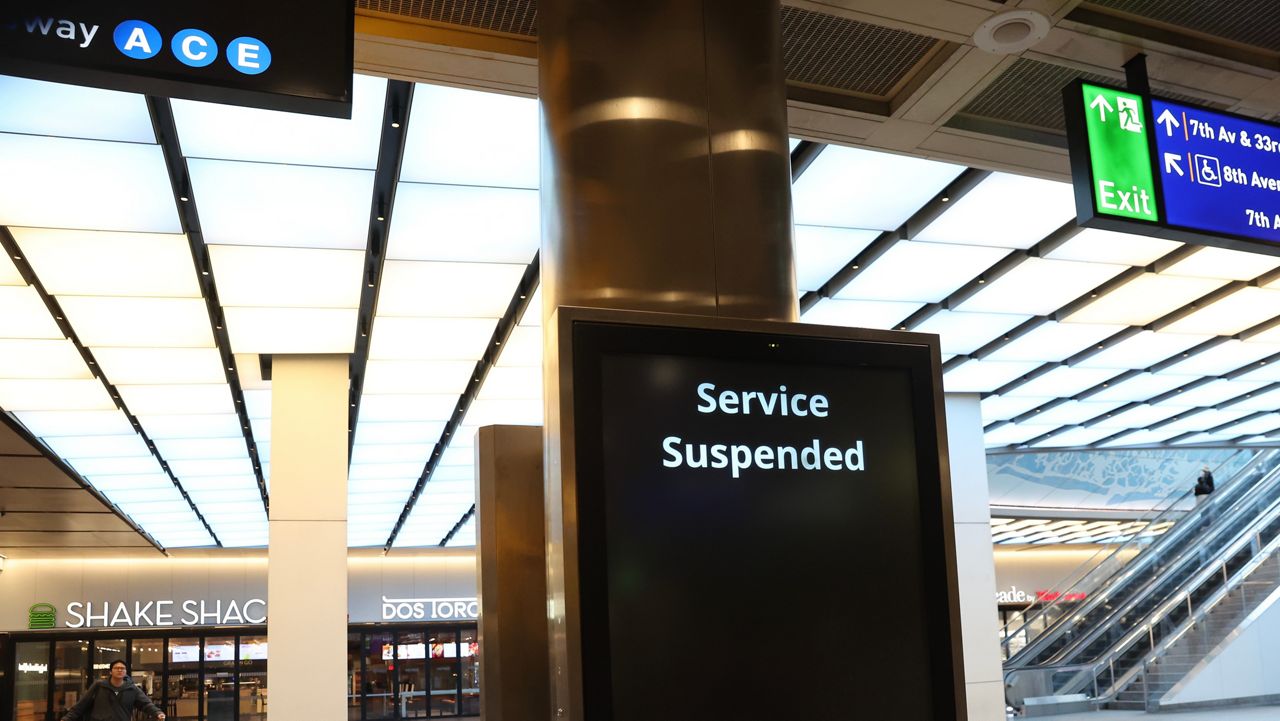
The Long Island Rail Road shutdown entered its second day after five unions representing about half the workforce struck, disrupting service for roughly 250,000 daily riders. The MTA will begin shuttle buses at 4 a.m. Monday for essential workers, but officials said the contingency plan cannot cover normal weekday demand. The dispute centers on pay and healthcare premiums, with the MTA warning higher wages could force fare increases, including a possible doubling of next year's planned 4% increase to 8%.
The immediate loser is not just the transit agency; it is the broader New York high-frequency labor market that depends on predictable rail arrival times. The first-order hit is commuter inconvenience, but the second-order effect is a forced modal shift into roads and subways that are already capacity constrained, which can create short-lived but severe bottlenecks in retail, hospitality, and job-site labor availability across Long Island and Midtown. That makes this less a pure labor story than a localized productivity shock with spillovers into tax receipts, overtime costs, and absenteeism.
The political read-through is more important than the transportation one. With a gubernatorial election cycle looming, the incentive set skews toward a negotiated settlement that looks expensive in nominal terms but cheaper than prolonged visible dysfunction; that raises the probability of a near-term deal with a face-saving wage package and deferred cost offsets elsewhere. If that happens, the market impact on MTA risk should be asymmetric: near-term relief rally in sentiment, followed by renewed pressure from any fare or subsidy repricing because the fiscal burden does not disappear, it only gets reallocated.
The contrarian angle is that the strike may be less inflationary than headline observers assume. Remote work, staggered schedules, and partial substitution into subways/buses cap the macro damage beyond the first few days, while the bigger medium-term risk is that a settlement embeds wage growth into future labor negotiations and transit pricing. That means the tradeable issue is not the shutdown itself, but whether the eventual solution forces a durable increase in fare/subsidy expectations and sets a precedent for other public-sector bargaining rounds.
From a volatility perspective, the key catalyst window is the next 2-5 trading sessions: if talks resume, the tape should mean-revert quickly; if they stall, the market will start pricing broader regional disruption and political blame. The risk/reward is best expressed through short-dated options rather than outright direction, because headline sensitivity is high but the resolution path is binary and probably compressed by political intervention.
AI-powered research, real-time alerts, and portfolio analytics for institutional investors.
Request DemoOverall Sentiment
moderately negative
Sentiment Score
-0.45
Ticker Sentiment
