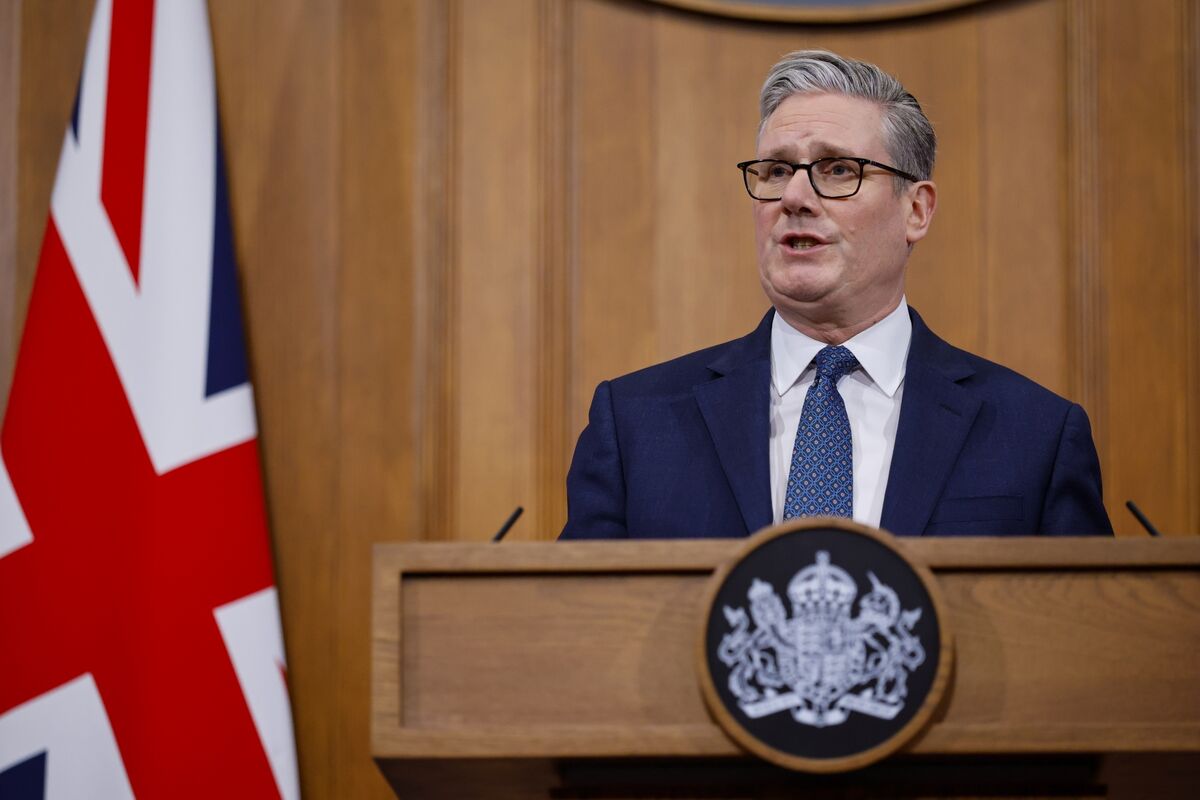
Keir Starmer defeated a Conservative attempt to refer him to an ethics probe, winning the House of Commons vote 335 to 223. The motion centered on his statements regarding the Peter Mandelson appointment and was dismissed by Starmer as a political stunt. The outcome reduces immediate political pressure on the prime minister ahead of next week’s local elections.
The immediate market read is that Starmer has bought time, not resolved risk. For UK domestic equities, the key second-order effect is reduced probability of a pre-election governing-party credibility shock, which supports a short-lived relief bid in UK cyclicals, domestically exposed financials, and small caps that trade more on policy continuity than on macro. But the vote also makes the ethics issue more durable: the more the government leans into procedural defense, the more the issue can be reactivated later as an integrity narrative, especially if local elections underperform.
The bigger implication is on policy throughput. A PM forced into political triage typically spends less bandwidth on contentious but market-relevant items like planning reform, public-spend reprioritization, and regulatory cleanup. That matters most for sectors with high UK regulatory beta — housebuilders, infrastructure, utilities, and domestically focused retailers — where the discount rate is less about growth and more about execution credibility over the next 3-6 months. In other words, this is less a direct macro event than a governance tax on reform optionality.
The contrarian read is that the vote may actually reduce near-term headline volatility because it clears the immediate threat of an ethics probe before local elections, making the event feel more contained than the tape may imply. If the government survives those elections without a material seat-loss surprise, the issue likely fades into background noise. If not, this becomes a catalyst for a broader leadership-risk trade, with the fastest repricing in sterling-sensitive assets rather than in the gilt market.
Tail risk is a rapid deterioration in Cabinet confidence after weak local results, which would extend the timeline from days to months and raise the odds of policy paralysis. The market is underpricing the option value of a leadership challenge because the current event looks procedural, but in UK politics procedural fights often become proxies for governing competence. Watch for any escalation in internal party briefing, as that is the tell that this shifts from a reputational nuisance to a regime-risk trade.
AI-powered research, real-time alerts, and portfolio analytics for institutional investors.
Request DemoOverall Sentiment
neutral
Sentiment Score
-0.05
