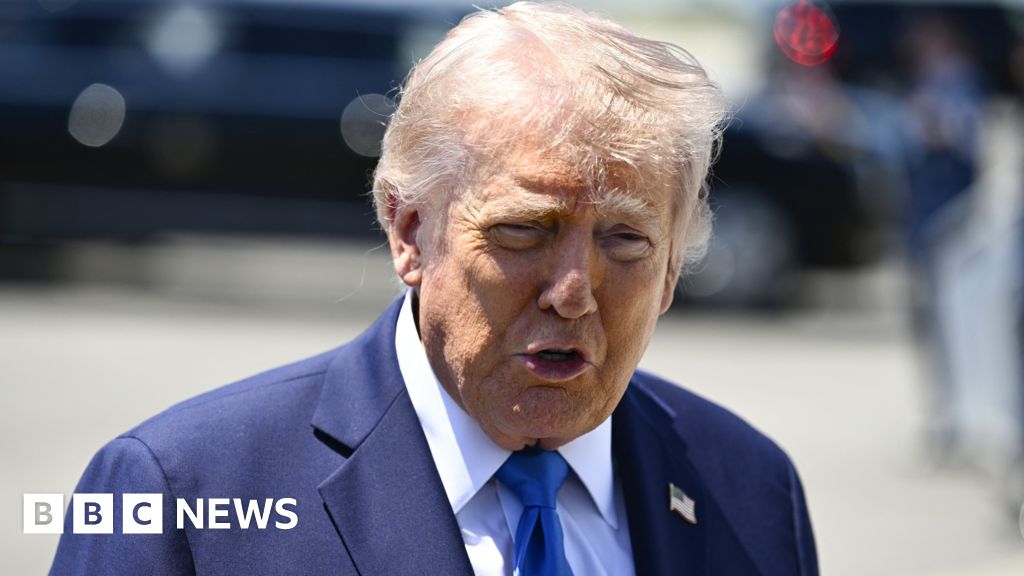
Trump canceled a planned US envoy trip to Pakistan for Iran-war talks, signaling stalled diplomacy even as the ceasefire was extended and both sides remain deadlocked over the Strait of Hormuz. The standoff has direct implications for oil flows, with roughly 20% of global supply moving through the strait and the US increasing its naval presence to curb Iranian exports. Israeli strikes in southern Lebanon and renewed Hezbollah rocket fire add to regional escalation risk.
This is less about one cancelled meeting and more about a higher-probability regime shift toward episodic supply shocks. The market should treat the Strait of Hormuz as a near-term volatility amplifier: even if flows are not fully disrupted, the marginal cost of securing passage, rerouting cargoes, and insuring shipments can move prompt crude and refined products before any actual barrel loss shows up. That tends to benefit energy producers with unhedged exposure and maritime/defense names, while pressuring transport, airlines, chemicals, and EM importers that cannot pass through input costs quickly.
The second-order effect is that diplomatic failure raises the floor for sanctions enforcement, not just headline war risk. If Washington keeps naval assets forward-deployed, the market will begin pricing a more durable clamp on Iranian export optionality, which tightens the medium-term balance even if OPEC+ output is unchanged. In that setup, the spread trade matters as much as direction: Brent-linked benchmarks, diesel, and tanker rates should outperform WTI-heavy or domestic-only exposures, while countries with high energy import dependence become relative underperformers in EM FX and credit.
The contrarian read is that the market may still be underpricing escalation duration, not just escalation probability. A stalled backchannel after a public signaling failure often creates a 1-3 week window where both sides harden positions, making the next catalyst less likely to be diplomacy and more likely to be an incident at sea or a proxy strike. Conversely, if crude spikes too fast, political pressure for a de-escalatory phone call will rise quickly; that argues for owning convexity rather than chasing spot beta after the first gap higher.
AI-powered research, real-time alerts, and portfolio analytics for institutional investors.
Request DemoOverall Sentiment
moderately negative
Sentiment Score
-0.35
