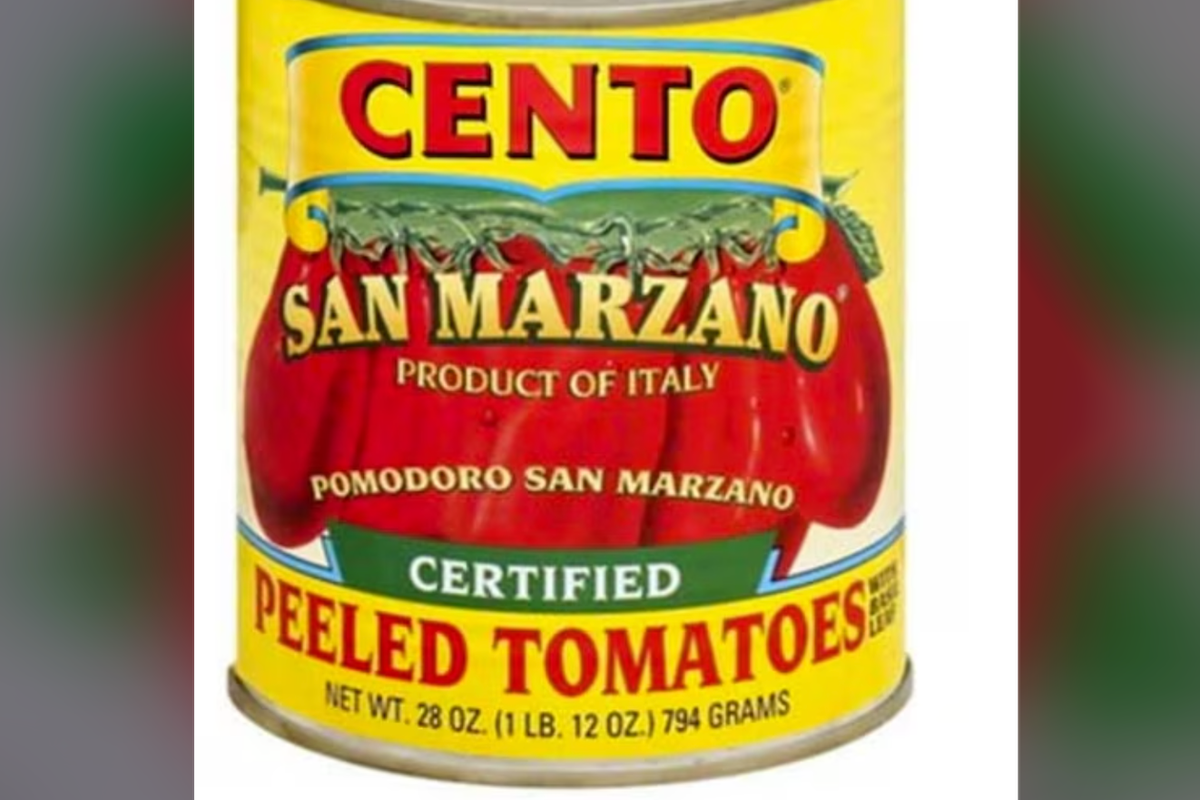
Cento Fine Foods faces a proposed class-action lawsuit in California seeking $25 million over allegations that its San Marzano tomato branding is misleading and falsely implies DOP-certified origin. The company disputes the claims, says it has always produced the tomatoes in Italy’s Sarnese Nocerino area, and plans to defend the case vigorously. The issue is primarily a legal and reputational risk for the distributor rather than a broad market event.
This is less a single-name headline than a reminder that food brands with premium origin claims carry embedded litigation optionality. The market usually underprices the gap between label integrity and consumer willingness to pay: if plaintiffs gain traction, the economic hit is not just legal fees but a possible reset of pricing power on the entire premium-Italian shelf set as retailers demand tighter substantiation or shelf-tagging changes.
The second-order effect is channel risk. Specialty distributors and import-dependent packaged-food companies with “heritage,” “artisan,” or geography-based claims are exposed to copycat suits once one case gets media traction; legal costs can become a broad SG&A tax over 12-24 months even if the defendant ultimately wins. The more important near-term catalyst is not judgment risk but discovery: internal sourcing records, supplier audit trails, and label language can force settlements or reformulations long before trial.
This may also pressure private-label and lower-cost competitors less than expected. If consumers become skeptical of origin claims, demand can shift toward generic crushed tomatoes and store brands, compressing gross margins for premium branded players while benefiting retailers with own-label penetration. The contrarian angle is that if the company can prove traceability and prior adverse rulings exist, the stock-specific downside may be limited; the real trade is a wider industry de-rating around premium-food authenticity risk rather than a binary company-specific event.
AI-powered research, real-time alerts, and portfolio analytics for institutional investors.
Overall Sentiment
moderately negative
Sentiment Score
-0.35
