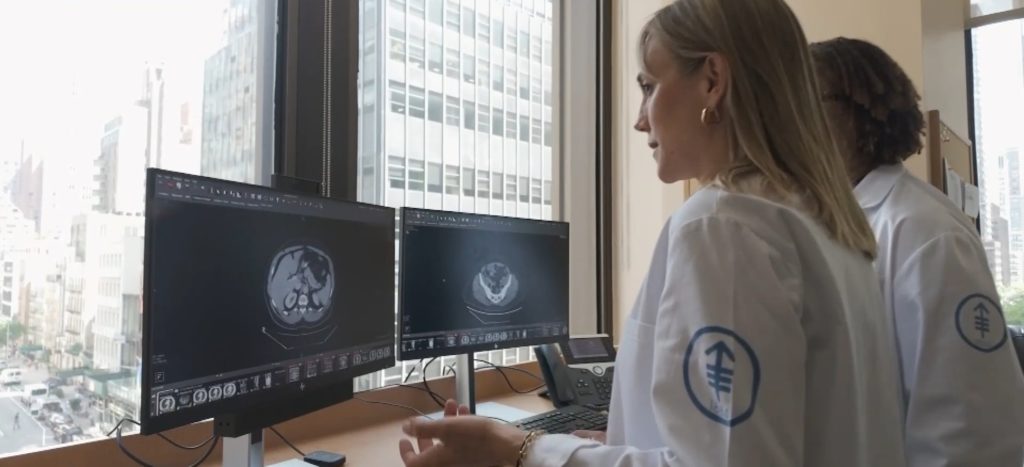
U.S. colon and rectal cancer diagnoses are rising in younger adults—American Cancer Society projects about 154,000 cases in 2025 and estimates one in five patients will be under 55—prompting clinicians to report an influx of cases among people in their 20s–40s. While the exact causes remain unclear, researchers point to a mix of environmental and lifestyle factors (including diet, processed foods, high sugar, antibiotics and possible microplastic exposure); the American Cancer Society lowered the recommended screening age to 45 in 2018 (with other bodies following in 2021), but many symptomatic younger patients still fall outside screening criteria and experience diagnostic delays. Physicians emphasize symptom vigilance and advocacy, and the demographic shift is already driving greater interest, research and funding aimed at earlier detection—an evolution with implications for screening access, diagnostics, oncology services and related healthcare spending.
U.S. colon and rectal cancer diagnoses are shifting younger: the American Cancer Society projects about 154,000 cases in 2025 and estimates one in five patients will be under age 55, a dynamic clinicians such as Dr. Andrea Cercek at Memorial Sloan Kettering describe as an "influx" of cases in people previously considered low-risk. The article illustrates diagnostic delay consequences with patient anecdotes, including a 15-centimeter tumor and a subsequent stage‑4 staging, underscoring that symptomatic younger adults can present with advanced disease when not evaluated promptly.
Researchers remain uncertain on causation but emphasize environmental and lifestyle contributors cited in the piece—dietary changes, processed foods, high sugar, antibiotics and potential microplastic exposure—while screening policy has shifted (American Cancer Society lowered recommended screening from 50 to 45 in 2018, with other bodies following in 2021). The lowered screening age has not eliminated gaps: many symptomatic people in their 20s–30s still fall outside routine screening criteria and experience delays to colonoscopy and diagnosis.
Market signals in the brief are cautiously negative on sentiment (sentiment_score -0.42, "moderately negative") but show limited immediate market disruption (market_impact_score 0.08), implying this is a developing public‑health trend that could gradually increase demand for diagnostics, screening capacity, oncology services and related research funding rather than produce abrupt sectorwide shocks. Key near‑term risks are continued causal uncertainty, feasibility constraints on universal early colonoscopy, and the timing of guideline, reimbursement and funding changes that will determine commercial upside.
AI-powered research, real-time alerts, and portfolio analytics for institutional investors.
Request DemoOverall Sentiment
moderately negative
Sentiment Score
-0.42
